
Health
New York City Sees Rise in HIV Diagnoses Amid Funding Threats

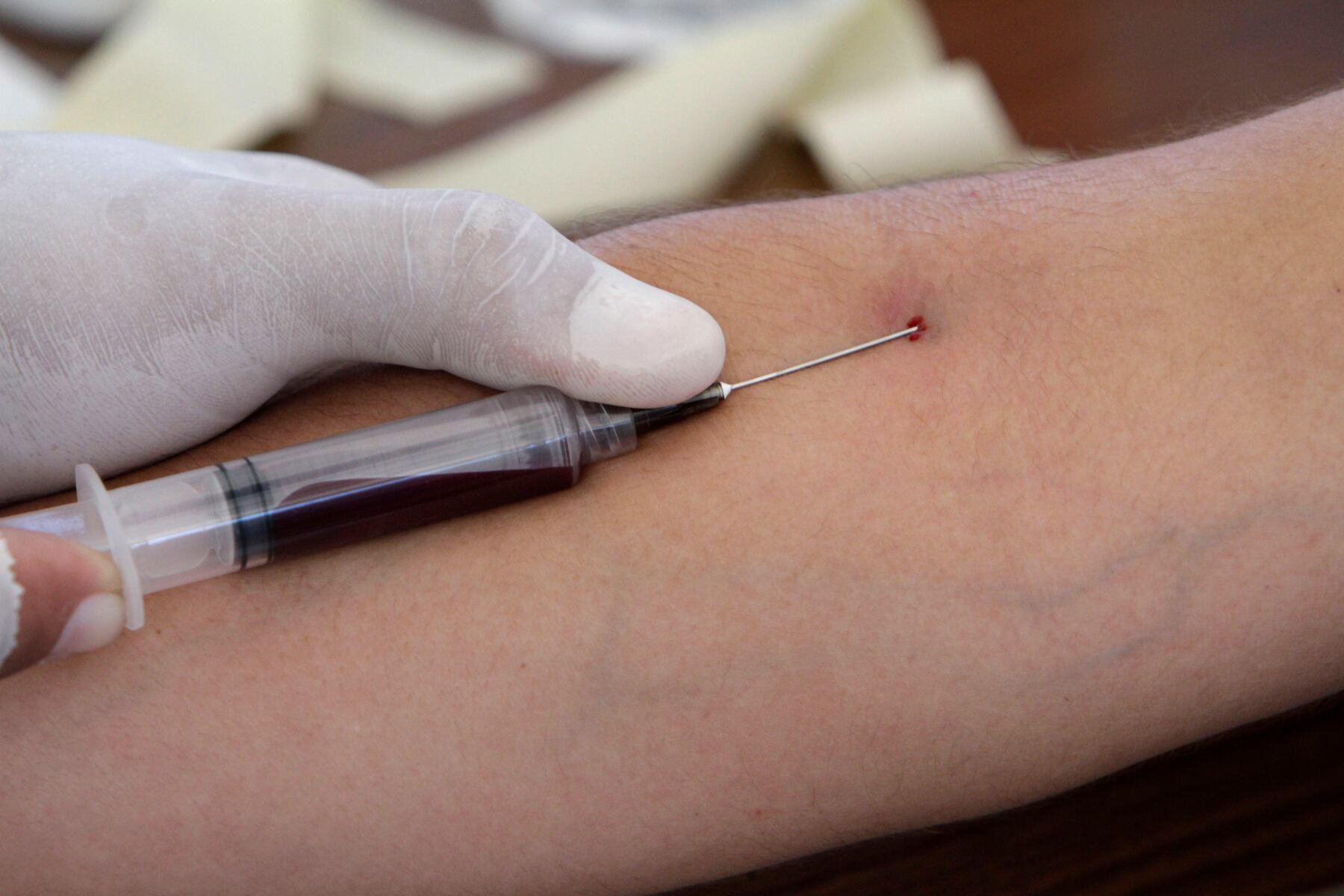
The latest HIV Surveillance Annual Report reveals a concerning trend in New York City, indicating an increase in HIV diagnoses alongside significant funding concerns. In 2024, there were **1,791** new cases of HIV reported, marking a **5.4%** rise from the previous year. The data highlights ongoing challenges in public health, particularly as federal budget cuts loom.
Staten Island’s HIV Statistics
On Staten Island, **39** new diagnoses were reported in 2024, contributing to a total of **2,608** borough residents currently living with HIV. The report also noted **44** HIV-related deaths within the borough for the year. This data underscores the persistent impact of HIV on communities and the urgent need for continued support and resources.
The report from the New York City Department of Health and Mental Hygiene emphasizes stark racial and ethnic disparities in new diagnoses. A press release states that these disparities arise from “structural racism, poverty, the legacy of housing segregation, unfair access to health care, and other systemic factors.” Approximately **86%** of individuals newly diagnosed with HIV in 2024 were identified as Black or Latino/Latina.
Funding Cuts and Public Health Implications
The report comes at a critical time, as proposed federal budget cuts threaten vital public health initiatives. The federal government is considering shutting down the entire Division of HIV Prevention at the **Centers for Disease Control and Prevention (CDC)**, which could result in the elimination of **$755 million** in funding for HIV prevention efforts. Should these cuts be enacted, the New York City health department could face a loss of over **$41 million**. This funding is essential for identifying newly diagnosed individuals, connecting them to treatment, and providing partner services.
Despite substantial progress in reducing HIV diagnoses over the past quarter-century, experts warn that advancements have stalled. According to Dr. Michelle Morse, Acting Health Commissioner, “In the last three decades, we’ve made immense progress toward ending the HIV epidemic in New York City. Yet this progress has stalled as new diagnoses have increased or remained stable for the fourth year in a row.”
Since 2001, new HIV diagnoses across New York City have decreased by more than **70%**, illustrating the effectiveness of prior public health initiatives. Nevertheless, the upward trend in new cases signals the need for renewed focus and resources to combat the epidemic.
The intersection of rising diagnoses and potential funding reductions poses a significant challenge for health officials and advocates. Continued efforts to address these disparities and secure necessary funding will be crucial in the fight against HIV in New York City and beyond.

Urgent Tax Savings Alert: Maximize Deductions Before April 15

Trump’s Administration Faces Uncertainty Over Government Shutdowns

Cosmic Defects: The Mystery of the Universe’s Missing Anomalies

Rapid City Parks Department Opens Registration for Bocce Leagues

Samsung Galaxy Watch 9 to Feature Larger 435mAh Battery Soon

Two Dead After Student Boats Capsize Off Okinawa Coast

Healthy Choice Wellness Reports Earnings with Mixed Results

Prince Harry Positions Himself as Royal Family’s Image Reviver

All Points North Lodge Achieves FSPHP-ETA Accreditation

Send Holiday Parcels for £1.99 with New Comparison Service

University of Hawaiʻi Leads $25M AI Project to Monitor Natural Disasters

Maui County Reopens Upgraded Lānaʻi Fifth Street Courts Today!

Daily Codeword Puzzle Launches on October 21, 2025

Congresswoman Under Fire for Misleading Epstein Donation Claims

Interstellar Object 3I/ATLAS Emits Unique Metal Alloy, Says Scientist

Trump Vows to Resolve Afghanistan-Pakistan Crisis “Very Quickly”

Charles Darwin’s Address Book Reveals Hidden Aspects of His Life

Rediscovering Chrysler: 5 Overlooked Models from the 1980s
-
 Lifestyle8 months ago
Send Holiday Parcels for £1.99 with New Comparison Service
-
Science9 months ago
University of Hawaiʻi Leads $25M AI Project to Monitor Natural Disasters
-
 Top Stories8 months ago
Maui County Reopens Upgraded Lānaʻi Fifth Street Courts Today!
-
 Entertainment10 months ago
Daily Codeword Puzzle Launches on October 21, 2025
-
 Lifestyle9 months ago
Congresswoman Under Fire for Misleading Epstein Donation Claims
-
 Science10 months ago
Interstellar Object 3I/ATLAS Emits Unique Metal Alloy, Says Scientist
-
 Top Stories9 months ago
Trump Vows to Resolve Afghanistan-Pakistan Crisis “Very Quickly”
-
 Science9 months ago
Charles Darwin’s Address Book Reveals Hidden Aspects of His Life
-
 Lifestyle8 months ago
Rediscovering Chrysler: 5 Overlooked Models from the 1980s
-

 Science7 months ago
Understanding Generation Z: Strategies for Engaging the Workforce
-

 Entertainment10 months ago
Kelly McCreary Discusses Future of Maggie and Winston in Grey’s Anatomy
-

 Top Stories8 months ago
aespa Faces Backlash Over G-Dragon Interaction at 2025 MAMAs