
Lifestyle
Caregiver Navigates Mother’s Declining Health and Memory Issues

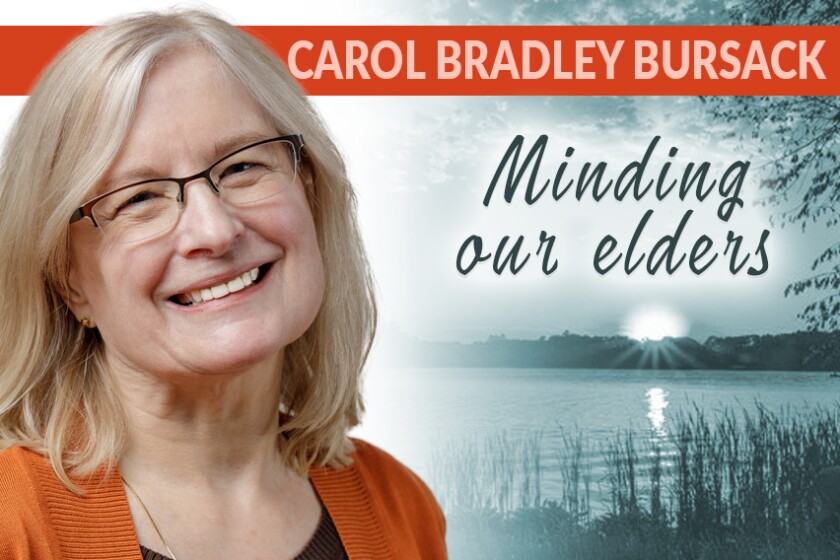
In recent weeks, a caregiver has expressed concern over her 90-year-old mother’s noticeable decline in health and cognitive function. The elderly woman reports feeling “blah” most days and struggles with memory lapses, yet she resists suggestions for medical evaluation and supportive living arrangements.
Understanding the Signs of Decline
The mother in question has displayed several troubling symptoms, including difficulty forming sentences and forgetting how to prepare meals beyond using the microwave. While she remains capable of basic self-care, her struggle with memory is apparent. When asked about her condition, she acknowledges her memory issues but feels reluctant to seek help.
According to Leslie Kernisan, MD, MPH, a geriatrician, such behavior is not uncommon among older adults. Resistance to change and reluctance to visit a doctor for mental health concerns can complicate caregiving. Kernisan suggests that the caregiver consider a gentler approach, allowing some time before revisiting the idea of medical intervention.
Encouraging Medical Evaluation
The caregiver is advised to suggest that her mother’s feelings of listlessness could stem from various physical health issues, such as low iron levels, low blood pressure, or even potential side effects from medications. Low thyroid hormone levels can also contribute to a sense of fatigue and depression.
“It’s probably time for a checkup so her doctor can perform blood work,” Kernisan states. She emphasizes that older adults often respond better to discussions about physical health changes rather than emotional or cognitive issues. By framing the conversation around physical health, the caregiver may increase her mother’s willingness to seek assistance.
During a doctor’s visit, the caregiver can express concerns about her mother’s recent memory issues and inquire whether they may be linked to reversible health problems or indicative of more serious cognitive decline. The physician may also administer cognitive tests to assess the extent of memory loss.
Seeking Support for Caregivers
As the caregiver navigates this challenging period, finding support is crucial. Kernisan recommends exploring free caregiver support groups available on platforms like Facebook and resources offered by Agingcare.com. For those dealing specifically with dementia, the Alzheimer’s Association provides valuable resources and community support.
Ultimately, if the mother’s situation poses a real risk to her safety, a more assertive approach may be necessary. Nonetheless, respecting her autonomy while remaining patient is essential. The journey through caregiving can be long and fraught with emotional challenges, but with the right support, caregivers can find strength and guidance.
“You are doing the right things for your mom,” Kernisan reassures the caregiver. “None of this is easy, but support from people who understand can make a world of difference.”

Tragic House Fire Claims Life of 84-Year-Old Woman in Taneytown

Gethsemane Cemetery Honors Veterans with Wreath-Laying Ceremony

17-Year-Old Girl Falls 100 Feet to Death at Queensland Lookout

At Least 11 Killed in Shooting at Jewish Gathering in Australia

Stream NFL RedZone Free This Week: Your Guide to Options

Health Expert Recommends Golden Milk Over Hot Chocolate for Sleep

Jewish Leaders Condemn Deadly Terror Attack at Bondi Beach

Wyoming Increases Stake in Agnico Eagle Mines by 69.5% in Q2

Urgent Update: 12 Dead in Bondi Beach Terror Attack During Chanukah

University of Hawaiʻi Leads $25M AI Project to Monitor Natural Disasters

Interstellar Object 3I/ATLAS Emits Unique Metal Alloy, Says Scientist

Researchers Achieve Fastest Genome Sequencing in Under Four Hours

Iconic Sand Dollar Social Club Listed for $3 Million in Folly Beach

Afghan Refugee Detained by ICE After Asylum Hearing in New York

McEwen Inc. Secures Tartan Lake Gold Mine Through Acquisition

Peptilogics Secures $78 Million to Combat Prosthetic Joint Infections

Jump for Good: San Clemente Pier Fundraiser Allows Legal Leaps

Mars Observed: Detailed Imaging Reveals Dust Avalanche Dynamics
-
Science1 month ago
University of Hawaiʻi Leads $25M AI Project to Monitor Natural Disasters
-
 Science2 months ago
Interstellar Object 3I/ATLAS Emits Unique Metal Alloy, Says Scientist
-
 Science2 months ago
Researchers Achieve Fastest Genome Sequencing in Under Four Hours
-
 Business2 months ago
Iconic Sand Dollar Social Club Listed for $3 Million in Folly Beach
-
 Politics2 months ago
Afghan Refugee Detained by ICE After Asylum Hearing in New York
-
 Business2 months ago
McEwen Inc. Secures Tartan Lake Gold Mine Through Acquisition
-
 Health2 months ago
Peptilogics Secures $78 Million to Combat Prosthetic Joint Infections
-
 Lifestyle2 months ago
Jump for Good: San Clemente Pier Fundraiser Allows Legal Leaps
-
 Science2 months ago
Mars Observed: Detailed Imaging Reveals Dust Avalanche Dynamics
-

 Health2 months ago
Researcher Uncovers Zika Virus Pathway to Placenta Using Nanotubes
-

 Entertainment2 months ago
Jennifer Lopez Addresses A-Rod Split in Candid Interview
-

 World2 months ago
US Passport Ranks Drop Out of Top 10 for First Time Ever