
Health
Genetic Variants Linked to Eye Disease Risk in Premature Infants


A recent study conducted by researchers at the University of Oklahoma has revealed significant insights into the genetic factors influencing the development of the eyes in premature infants. The research identifies specific genetic variants in two proteins previously associated with lung development, suggesting they may also play a crucial role in the risk of developing retinopathy of prematurity (ROP).
The findings indicate that even minor genetic differences can have profound effects on eye development in infants born prematurely. ROP is a serious eye disease that can lead to blindness if not addressed. According to the researchers, understanding these genetic influences could pave the way for better preventive measures and treatments for vulnerable infants.
Understanding Retinopathy of Prematurity
Retinopathy of prematurity occurs when abnormal blood vessels grow in the retina of premature infants. This condition can result in vision impairment or blindness, making early detection and intervention essential. Current treatment options often depend on the severity of the disease, but the ability to identify at-risk infants through genetic markers could significantly enhance early intervention strategies.
The study highlights the importance of genetic research in neonatal care. With approximately 15,000 to 16,000 cases of ROP reported annually in the United States alone, identifying infants at risk based on genetic predispositions could transform medical approaches.
Implications for Future Research
The researchers from the University of Oklahoma plan to further investigate the mechanisms through which these genetic variants affect eye development. They emphasize that while this study provides a foundation, additional research is necessary to explore how these findings can be translated into practical applications.
This study underscores the growing recognition of the role genetics plays in health outcomes for premature infants. As neonatal care continues to evolve, incorporating genetic insights may lead to more personalized and effective treatment options, ultimately improving the quality of life for affected children.
The implications of this research extend beyond the realm of ophthalmology, as it opens avenues for interdisciplinary collaboration among geneticists, neonatologists, and pediatric ophthalmologists. By harnessing this knowledge, healthcare providers can better address the complex needs of premature infants, reducing the long-term impact of ROP and enhancing overall outcomes.
As the research progresses, the scientific community will be closely monitoring developments in this area, eager to see how these findings might influence clinical practices and patient care standards in neonatal medicine.

Urgent Tax Savings Alert: Maximize Deductions Before April 15

Trump’s Administration Faces Uncertainty Over Government Shutdowns

Cosmic Defects: The Mystery of the Universe’s Missing Anomalies

Rapid City Parks Department Opens Registration for Bocce Leagues

Samsung Galaxy Watch 9 to Feature Larger 435mAh Battery Soon

Two Dead After Student Boats Capsize Off Okinawa Coast

Healthy Choice Wellness Reports Earnings with Mixed Results

Prince Harry Positions Himself as Royal Family’s Image Reviver

All Points North Lodge Achieves FSPHP-ETA Accreditation

Send Holiday Parcels for £1.99 with New Comparison Service

University of Hawaiʻi Leads $25M AI Project to Monitor Natural Disasters

Maui County Reopens Upgraded Lānaʻi Fifth Street Courts Today!

Daily Codeword Puzzle Launches on October 21, 2025

Congresswoman Under Fire for Misleading Epstein Donation Claims

Interstellar Object 3I/ATLAS Emits Unique Metal Alloy, Says Scientist

Trump Vows to Resolve Afghanistan-Pakistan Crisis “Very Quickly”

Charles Darwin’s Address Book Reveals Hidden Aspects of His Life

Rediscovering Chrysler: 5 Overlooked Models from the 1980s
-
 Lifestyle8 months ago
Send Holiday Parcels for £1.99 with New Comparison Service
-
Science9 months ago
University of Hawaiʻi Leads $25M AI Project to Monitor Natural Disasters
-
 Top Stories8 months ago
Maui County Reopens Upgraded Lānaʻi Fifth Street Courts Today!
-
 Entertainment10 months ago
Daily Codeword Puzzle Launches on October 21, 2025
-
 Lifestyle9 months ago
Congresswoman Under Fire for Misleading Epstein Donation Claims
-
 Science10 months ago
Interstellar Object 3I/ATLAS Emits Unique Metal Alloy, Says Scientist
-
 Top Stories9 months ago
Trump Vows to Resolve Afghanistan-Pakistan Crisis “Very Quickly”
-
 Science9 months ago
Charles Darwin’s Address Book Reveals Hidden Aspects of His Life
-
 Lifestyle8 months ago
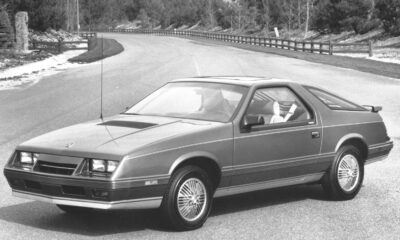
Rediscovering Chrysler: 5 Overlooked Models from the 1980s
-
 Science7 months ago
Understanding Generation Z: Strategies for Engaging the Workforce
-

 Entertainment10 months ago
Kelly McCreary Discusses Future of Maggie and Winston in Grey’s Anatomy
-

 Top Stories8 months ago
aespa Faces Backlash Over G-Dragon Interaction at 2025 MAMAs