
Health
Experts Discuss Strategies to Lower Breast Cancer Mortality Rates

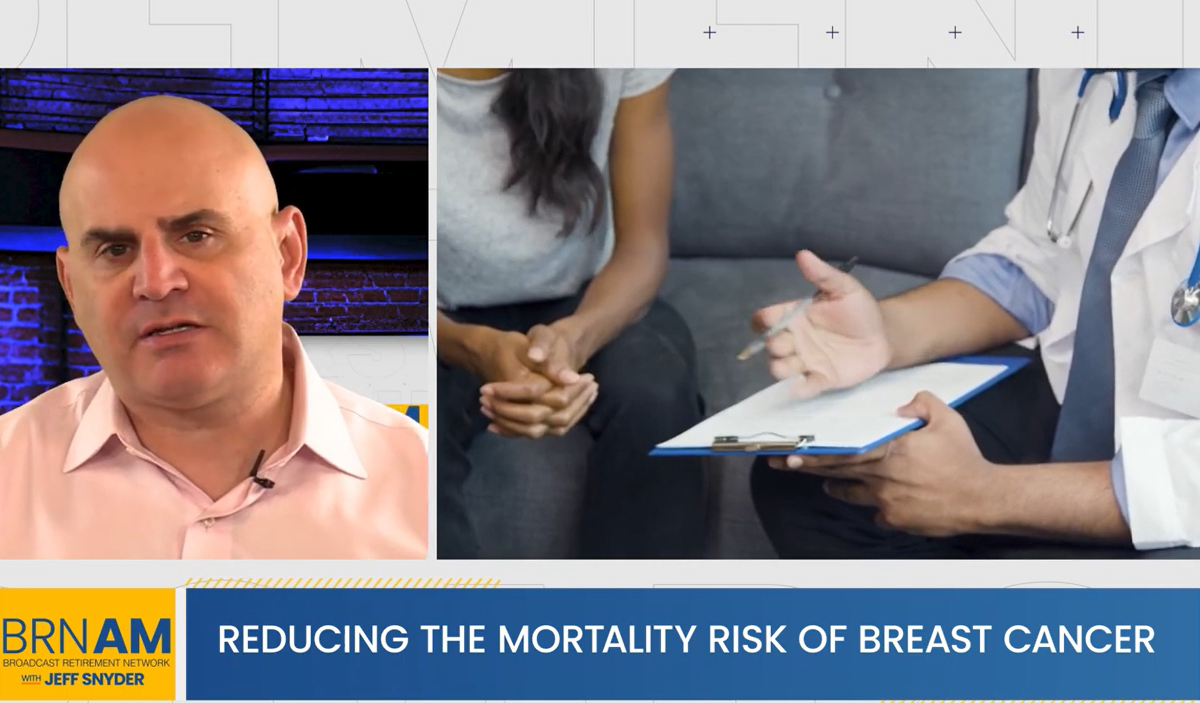
Breast cancer remains a significant health concern, particularly for women aged 50 and older, who account for approximately 83% of annual diagnoses. On August 14, 2024, Dr. Steven Narod, a leading expert in the field and Tier I Canada Research Chair in Breast Cancer at the University of Toronto, discussed strategies to reduce the mortality risk associated with this prevalent disease during an interview with Jeffrey Snyder of the Broadcast Retirement Network.
Understanding Breast Cancer Prevalence
Dr. Narod highlighted that breast cancer is the most common cancer among women, with an estimated 8% of Canadian women developing the disease by age 75. This statistic reflects a trend seen in various countries, including the United States, where rates are similarly high. In contrast, breast cancer rates tend to be lower in Asian countries compared to regions in Africa.
When examining the reasons for these differences, Narod suggested various factors, including genetic predispositions and lifestyle influences. He pointed out that increased screening efforts, particularly mammography, might also contribute to the higher detection rates in Western countries. “Some cancers identified through screening may never become clinically apparent,” he noted, referencing the issue of over-diagnosis.
Treatment Protocols and Their Evolution
The treatment landscape for breast cancer has evolved significantly over the past few decades. According to Dr. Narod, since the 1980s, chemotherapy has been administered to around half of the women diagnosed with the disease. Surgical options vary, with procedures including lumpectomies—where only the cancerous tissue is removed—and mastectomies, which involve the removal of one or both breasts. The choice of treatment often depends on multiple factors, including tumor size and the patient’s personal risk factors.
For those with estrogen receptor-positive cancers, anti-hormonal therapies such as Tamoxifen are common. These medications aim to block estrogen, which can promote cancer growth. In some cases, particularly for women with a BRCA1 mutation, more aggressive surgical options, including bilateral mastectomies, may be considered to mitigate future cancer risks.
Dr. Narod’s research team has investigated the implications of bilateral mastectomies, revealing that about 5% of women with breast cancer in one breast choose to have both removed. This decision is often influenced by a desire to avoid a second cancer, which occurs in approximately 7% of women over a 20-year period. Yet, paradoxically, the study found that undergoing a bilateral mastectomy did not significantly lower mortality rates compared to other treatment options.
“The mortality rate in women undergoing unilateral mastectomy, lumpectomy, or bilateral mastectomy was similar over a 20-year period,” Dr. Narod stated, emphasizing the need for further research.
Future Directions in Research and Prevention
As research continues, Dr. Narod plans to delve deeper into the biological mechanisms behind breast cancer and metastasis. His findings challenge the conventional understanding of how contralateral breast cancers develop and their potential to affect mortality rates. “We need to investigate the origins and characteristics of these cancer cells to better understand their behavior,” he explained.
Prevention remains a critical topic, especially for high-risk individuals. The conversation around preventive measures includes discussing lifestyle choices, with some studies indicating that alcohol consumption may increase breast cancer risk. While genetic screening can identify women who might benefit from preventive surgeries, the majority of breast cancer cases do not arise from hereditary mutations.
Detecting breast cancer at an early stage is vital. While magnetic resonance imaging (MRI) is more sensitive and effective, mammography is still the standard for routine screening, typically recommended for women over the age of 40 or 50. Dr. Narod pointed out ongoing debates about the optimal age to begin screening and the frequency of mammograms.
In summary, while breast cancer remains a leading health issue, advancements in research and treatment protocols provide hope for better outcomes. Dr. Narod’s work continues to unravel the complexities of the disease, aiming to improve survival rates and quality of life for women facing this diagnosis.

Urgent Tax Savings Alert: Maximize Deductions Before April 15

Trump’s Administration Faces Uncertainty Over Government Shutdowns

Cosmic Defects: The Mystery of the Universe’s Missing Anomalies

Rapid City Parks Department Opens Registration for Bocce Leagues

Samsung Galaxy Watch 9 to Feature Larger 435mAh Battery Soon

Two Dead After Student Boats Capsize Off Okinawa Coast

Healthy Choice Wellness Reports Earnings with Mixed Results

Prince Harry Positions Himself as Royal Family’s Image Reviver

All Points North Lodge Achieves FSPHP-ETA Accreditation

Send Holiday Parcels for £1.99 with New Comparison Service

University of Hawaiʻi Leads $25M AI Project to Monitor Natural Disasters

Maui County Reopens Upgraded Lānaʻi Fifth Street Courts Today!

Daily Codeword Puzzle Launches on October 21, 2025

Congresswoman Under Fire for Misleading Epstein Donation Claims

Interstellar Object 3I/ATLAS Emits Unique Metal Alloy, Says Scientist

Trump Vows to Resolve Afghanistan-Pakistan Crisis “Very Quickly”

Charles Darwin’s Address Book Reveals Hidden Aspects of His Life

Rediscovering Chrysler: 5 Overlooked Models from the 1980s
-
 Lifestyle8 months ago
Send Holiday Parcels for £1.99 with New Comparison Service
-
Science9 months ago
University of Hawaiʻi Leads $25M AI Project to Monitor Natural Disasters
-
 Top Stories8 months ago
Maui County Reopens Upgraded Lānaʻi Fifth Street Courts Today!
-
 Entertainment10 months ago
Daily Codeword Puzzle Launches on October 21, 2025
-
 Lifestyle9 months ago
Congresswoman Under Fire for Misleading Epstein Donation Claims
-
 Science10 months ago
Interstellar Object 3I/ATLAS Emits Unique Metal Alloy, Says Scientist
-
 Top Stories9 months ago
Trump Vows to Resolve Afghanistan-Pakistan Crisis “Very Quickly”
-
 Science9 months ago
Charles Darwin’s Address Book Reveals Hidden Aspects of His Life
-
 Lifestyle8 months ago
Rediscovering Chrysler: 5 Overlooked Models from the 1980s
-

 Science7 months ago
Understanding Generation Z: Strategies for Engaging the Workforce
-

 Entertainment10 months ago
Kelly McCreary Discusses Future of Maggie and Winston in Grey’s Anatomy
-

 Top Stories8 months ago
aespa Faces Backlash Over G-Dragon Interaction at 2025 MAMAs