
Entertainment
Nick Reiner Explores Addiction Through Film with “Being Charlie”

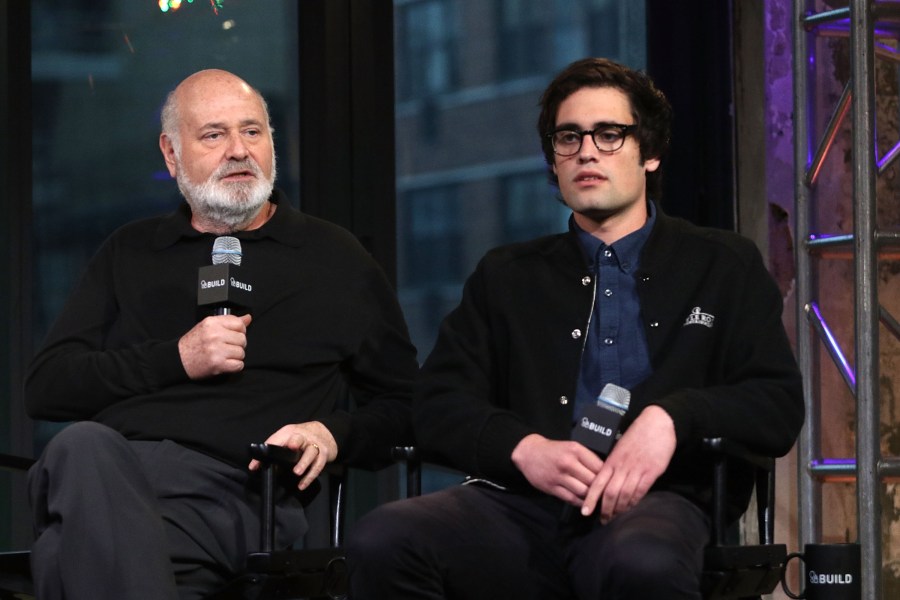
The film industry often serves as a platform for personal stories, and Nick Reiner has drawn from his own experiences in crafting narratives. He co-wrote the 2016 film “Being Charlie,” which was directed by his father, renowned filmmaker Rob Reiner. The film delves into the complexities of addiction and recovery, echoing themes that resonate deeply with Nick’s own life challenges.
Born into the Reiner family, which is steeped in Hollywood legacy, Nick has had a unique vantage point from which to view the film industry. His father, Rob Reiner, is celebrated for iconic films such as “When Harry Met Sally…” and “A Few Good Men.” This familial connection undoubtedly influenced Nick’s own aspirations in filmmaking, particularly in storytelling that addresses personal and societal struggles.
Crafting a Personal Narrative
In “Being Charlie,” Nick Reiner took a bold step in translating his own battles with addiction onto the screen. The film not only reflects his experiences but also showcases the journey of young adults grappling with similar issues. By intertwining personal struggle with cinematic expression, Nick aims to foster understanding and empathy regarding the challenges of addiction.
The narrative centers around Charlie, a young man dealing with substance abuse while seeking to mend his fractured family relationships. Through this character, Nick Reiner highlights the emotional turmoil faced by many individuals in recovery. The film received attention for its raw portrayal of addiction and the impact it can have on families, drawing parallels to the Reiner family’s own dynamics.
Despite the film’s serious subject matter, Nick’s approach to storytelling is one of hope and resilience. He has expressed a desire to use his platform to spark conversations about addiction and recovery, aiming to break the stigma surrounding these issues.
Looking Ahead
As Nick Reiner continues his career in the film industry, he remains committed to projects that reflect meaningful themes. His work on “Being Charlie” serves as both a personal catharsis and a broader commentary on societal issues, reinforcing the power of storytelling in addressing difficult topics.
With Hollywood’s increasing focus on authentic narratives, Nick’s experiences and insights may pave the way for more films that explore the realities of addiction. As he embarks on new projects, audiences can expect narratives that resonate with truth, drawing from both personal and collective experiences.
In summation, Nick Reiner’s journey as a filmmaker is just beginning. By sharing his own story through “Being Charlie,” he not only honors his family’s legacy but also contributes to a vital dialogue about addiction and recovery, encouraging viewers to engage with these important issues.

Urgent Tax Savings Alert: Maximize Deductions Before April 15

Trump’s Administration Faces Uncertainty Over Government Shutdowns

Cosmic Defects: The Mystery of the Universe’s Missing Anomalies

Rapid City Parks Department Opens Registration for Bocce Leagues

Samsung Galaxy Watch 9 to Feature Larger 435mAh Battery Soon

Two Dead After Student Boats Capsize Off Okinawa Coast

Healthy Choice Wellness Reports Earnings with Mixed Results

Prince Harry Positions Himself as Royal Family’s Image Reviver

All Points North Lodge Achieves FSPHP-ETA Accreditation

Send Holiday Parcels for £1.99 with New Comparison Service

University of Hawaiʻi Leads $25M AI Project to Monitor Natural Disasters

Maui County Reopens Upgraded Lānaʻi Fifth Street Courts Today!

Daily Codeword Puzzle Launches on October 21, 2025

Congresswoman Under Fire for Misleading Epstein Donation Claims

Interstellar Object 3I/ATLAS Emits Unique Metal Alloy, Says Scientist

Trump Vows to Resolve Afghanistan-Pakistan Crisis “Very Quickly”

Charles Darwin’s Address Book Reveals Hidden Aspects of His Life

Rediscovering Chrysler: 5 Overlooked Models from the 1980s
-
 Lifestyle8 months ago
Send Holiday Parcels for £1.99 with New Comparison Service
-
Science9 months ago
University of Hawaiʻi Leads $25M AI Project to Monitor Natural Disasters
-
 Top Stories8 months ago
Maui County Reopens Upgraded Lānaʻi Fifth Street Courts Today!
-
 Entertainment10 months ago
Daily Codeword Puzzle Launches on October 21, 2025
-
 Lifestyle9 months ago
Congresswoman Under Fire for Misleading Epstein Donation Claims
-
 Science10 months ago
Interstellar Object 3I/ATLAS Emits Unique Metal Alloy, Says Scientist
-
 Top Stories9 months ago
Trump Vows to Resolve Afghanistan-Pakistan Crisis “Very Quickly”
-
 Science8 months ago
Charles Darwin’s Address Book Reveals Hidden Aspects of His Life
-
 Lifestyle8 months ago
Rediscovering Chrysler: 5 Overlooked Models from the 1980s
-

 Science7 months ago
Understanding Generation Z: Strategies for Engaging the Workforce
-

 Entertainment10 months ago
Kelly McCreary Discusses Future of Maggie and Winston in Grey’s Anatomy
-

 Top Stories8 months ago
aespa Faces Backlash Over G-Dragon Interaction at 2025 MAMAs