
World
Argentina’s Central Bank Adjusts Currency Band to Stabilize Peso

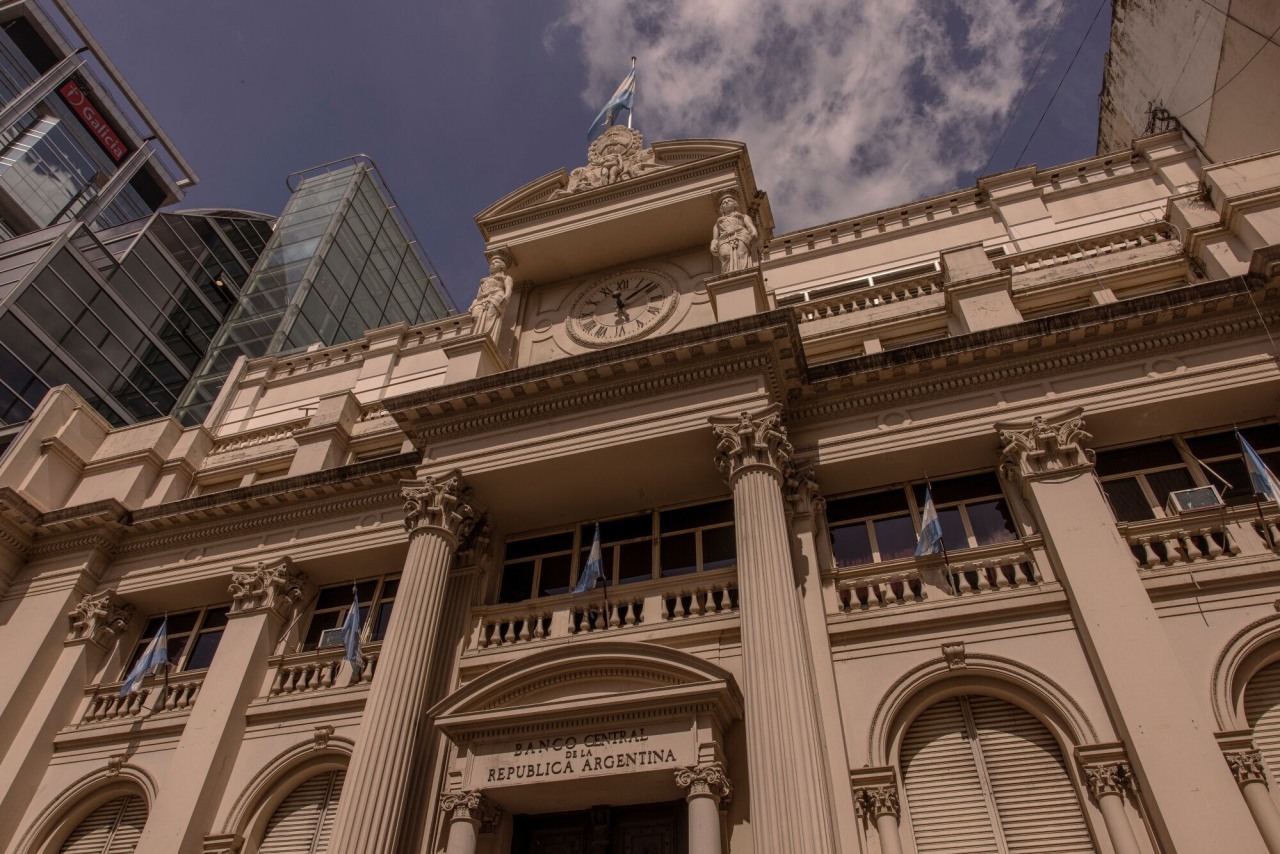
Argentina’s Central Bank has announced a significant shift in its currency policy, aiming to address the challenges posed by an overvalued peso. The decision comes as part of the government’s broader economic strategy under President Javier Milei. By adjusting the currency band, the Central Bank seeks to stabilize the peso and enhance the nation’s international reserves.
The central bank’s announcement on October 5, 2023, outlined plans to modify the existing currency band, which has been a topic of intense scrutiny. This change is designed to reflect the true market value of the peso while also providing a framework to rebuild international reserves, which have been under pressure due to various economic factors.
Details of the Currency Adjustment
The Central Bank indicated that the new currency band will allow for a more flexible exchange rate, addressing the long-standing issue of the peso being overvalued. This adjustment is seen as a necessary step to encourage foreign investment and restore confidence among international markets.
In recent months, Argentina has faced significant economic challenges, including high inflation and a growing fiscal deficit. The peso has struggled against major currencies, leading to a depletion of foreign reserves. The Central Bank’s action aims to provide a more realistic exchange rate, which could help improve the country’s trade balance.
The government’s approach also reflects a commitment to economic reform, which has been a cornerstone of Milei’s administration since he took office. His administration has emphasized the importance of reducing state intervention in the economy while fostering an environment conducive to business growth and stability.
Potential Impact on the Economy
Analysts believe that the currency band adjustment could have far-reaching implications for Argentina’s economy. A more competitive exchange rate may stimulate exports, which have been hampered by the peso’s previous overvaluation. Additionally, it could attract foreign capital, essential for revitalizing sectors that have been stagnant.
Despite the potential benefits, there are concerns about the immediate impact on inflation and purchasing power. A shift in exchange rates often comes with short-term volatility, and citizens may experience fluctuations in prices as the market adjusts. The government will need to implement complementary measures to mitigate these risks and support the population during the transition.
As Argentina navigates these changes, the Central Bank’s ability to manage the new currency band effectively will be critical. Policymakers will be closely monitoring the situation, ensuring that the adjustments lead to the desired stabilization of the peso and the overall economy.
In conclusion, the Central Bank of Argentina’s decision to adjust the currency band marks a pivotal moment in the country’s economic policy. Under Javier Milei‘s leadership, this move represents an effort to foster a more resilient economy that can withstand external pressures and build a foundation for sustainable growth.

Urgent Tax Savings Alert: Maximize Deductions Before April 15

Trump’s Administration Faces Uncertainty Over Government Shutdowns

Cosmic Defects: The Mystery of the Universe’s Missing Anomalies

Rapid City Parks Department Opens Registration for Bocce Leagues

Samsung Galaxy Watch 9 to Feature Larger 435mAh Battery Soon

Two Dead After Student Boats Capsize Off Okinawa Coast

Healthy Choice Wellness Reports Earnings with Mixed Results

Prince Harry Positions Himself as Royal Family’s Image Reviver

All Points North Lodge Achieves FSPHP-ETA Accreditation

Send Holiday Parcels for £1.99 with New Comparison Service

University of Hawaiʻi Leads $25M AI Project to Monitor Natural Disasters

Maui County Reopens Upgraded Lānaʻi Fifth Street Courts Today!

Daily Codeword Puzzle Launches on October 21, 2025

Congresswoman Under Fire for Misleading Epstein Donation Claims

Interstellar Object 3I/ATLAS Emits Unique Metal Alloy, Says Scientist

Trump Vows to Resolve Afghanistan-Pakistan Crisis “Very Quickly”

Charles Darwin’s Address Book Reveals Hidden Aspects of His Life

Rediscovering Chrysler: 5 Overlooked Models from the 1980s
-
 Lifestyle8 months ago
Send Holiday Parcels for £1.99 with New Comparison Service
-
Science9 months ago
University of Hawaiʻi Leads $25M AI Project to Monitor Natural Disasters
-
 Top Stories8 months ago
Maui County Reopens Upgraded Lānaʻi Fifth Street Courts Today!
-
 Entertainment10 months ago
Daily Codeword Puzzle Launches on October 21, 2025
-
 Lifestyle9 months ago
Congresswoman Under Fire for Misleading Epstein Donation Claims
-
 Science10 months ago
Interstellar Object 3I/ATLAS Emits Unique Metal Alloy, Says Scientist
-
 Top Stories9 months ago
Trump Vows to Resolve Afghanistan-Pakistan Crisis “Very Quickly”
-
 Science8 months ago
Charles Darwin’s Address Book Reveals Hidden Aspects of His Life
-
 Lifestyle8 months ago
Rediscovering Chrysler: 5 Overlooked Models from the 1980s
-

 Science7 months ago
Understanding Generation Z: Strategies for Engaging the Workforce
-

 Entertainment10 months ago
Kelly McCreary Discusses Future of Maggie and Winston in Grey’s Anatomy
-

 Top Stories8 months ago
aespa Faces Backlash Over G-Dragon Interaction at 2025 MAMAs