
World
UK Proposes Jury Trial Reforms Amid Overwhelming Court Backlog

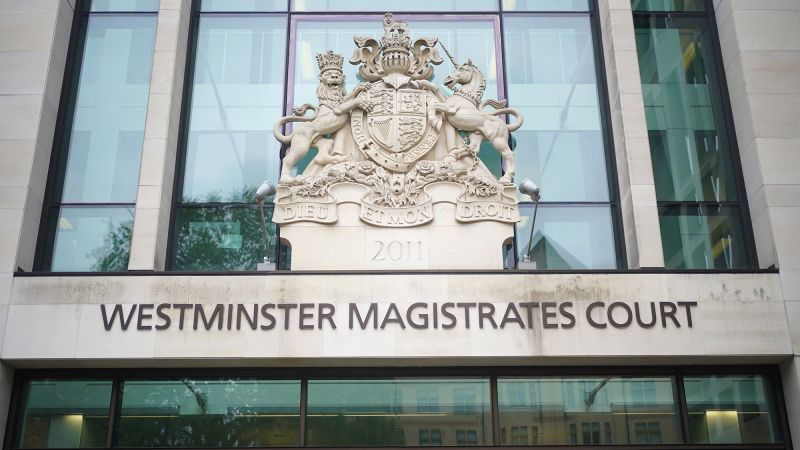
The UK government is moving to change the long-standing practice of jury trials in response to a significant backlog of criminal cases. Announced by David Lammy, the Justice Secretary, earlier this month, the proposed reforms aim to establish a new tier of jury-less courts that would handle cases with potential sentences of up to three years. Offenses such as fraud, robbery, and drug-related crimes would fall under this new system, while serious charges like sexual assault, murder, and human trafficking will still be tried by a jury.
Currently, the UK is facing a crisis in its justice system, with nearly 80,000 criminal cases waiting to be heard in the Crown Courts. This figure is projected to increase to 100,000 by 2028. Among these, there are 13,238 sexual offense cases pending, forcing some victims to wait up to four years for their cases to be resolved. A report by the Victims’ Commissioner highlights the frustrations and delays victims face, with some feeling abandoned by a system they once trusted.
One victim of an assault described the disheartening experience of being told by police that the Crown Prosecution Service was unlikely to pursue his case due to the backlog. “I was hit multiple times by a moving van on purpose… the perpetrator admitted he had done it,” he recounted. Another victim, who endured years of stalking, stated that the prolonged delays had led to “three years of terror” as her alleged assailant remained free.
Controversy Surrounds Proposed Changes
The reforms have sparked intense debate across political lines. Robert Jenrick, a Conservative MP and Shadow Justice Minister, condemned the changes as a “disgrace,” emphasizing the importance of maintaining the right to jury trials, which traces back to the Magna Carta in the 13th century. A recent poll conducted by YouGov in November 2025 found that 54% of the public prefers jury trials for those accused of crimes, indicating strong societal support for the traditional system.
Opponents of the changes, including Helena Kennedy KC, a Labour member of the House of Lords, argue that reducing jury trials undermines a fundamental democratic right. She expressed concerns that the push to eliminate juries stems from a belief among some politicians that the public is unfit to make such decisions. Kennedy highlighted that the real issue plaguing the justice system is underfunding, leading to idle courtrooms and a lack of resources for judges.
In a letter to Prime Minister Keir Starmer, 39 Labour Party backbenchers urged a reconsideration of the reforms, suggesting that increasing the number of court sitting days could be a more effective solution. They noted that approximately 130,000 sitting days are available to the courts, yet restrictions limit this by 20,000 days annually.
Calls for Comprehensive Reforms
Supporters of the current system argue that jury trials introduce a diverse set of perspectives, which can help mitigate biases within the criminal justice system. A 2017 independent review led by Lammy found substantial evidence of racial bias but also concluded that jury trials are more likely to produce fair outcomes compared to judge-only trials. Lachlan Stewart, a criminal barrister, emphasized that juries consist of individuals from varied backgrounds, which contrasts sharply with the demographic homogeneity often seen among judges.
Meanwhile, some advocates for victims are calling for more radical reforms. Organizations such as Rape Crisis England & Wales (RCEW) have highlighted the inadequacies of the current judicial process for sexual offenses, suggesting that pilot programs for jury-less trials should be explored. Their report, “Living in Limbo,” outlines how survivors often face extended waiting times and repeated delays, with some victims withdrawing from the process entirely due to the stress and uncertainty involved.
As the UK government considers these reforms, the balance between maintaining traditional rights and addressing a growing crisis in the justice system remains a contentious issue. While the intention is to streamline processes and reduce wait times for victims, critics warn that these changes could compromise the fairness and integrity of the legal system. The outcome of this debate will likely have profound implications for the future of justice in the UK.

Urgent Tax Savings Alert: Maximize Deductions Before April 15

Trump’s Administration Faces Uncertainty Over Government Shutdowns

Cosmic Defects: The Mystery of the Universe’s Missing Anomalies

Rapid City Parks Department Opens Registration for Bocce Leagues

Samsung Galaxy Watch 9 to Feature Larger 435mAh Battery Soon

Two Dead After Student Boats Capsize Off Okinawa Coast

Healthy Choice Wellness Reports Earnings with Mixed Results

Prince Harry Positions Himself as Royal Family’s Image Reviver

All Points North Lodge Achieves FSPHP-ETA Accreditation

Send Holiday Parcels for £1.99 with New Comparison Service

University of Hawaiʻi Leads $25M AI Project to Monitor Natural Disasters

Maui County Reopens Upgraded Lānaʻi Fifth Street Courts Today!

Daily Codeword Puzzle Launches on October 21, 2025

Congresswoman Under Fire for Misleading Epstein Donation Claims

Interstellar Object 3I/ATLAS Emits Unique Metal Alloy, Says Scientist

Trump Vows to Resolve Afghanistan-Pakistan Crisis “Very Quickly”

Charles Darwin’s Address Book Reveals Hidden Aspects of His Life

Rediscovering Chrysler: 5 Overlooked Models from the 1980s
-
 Lifestyle8 months ago
Send Holiday Parcels for £1.99 with New Comparison Service
-
Science9 months ago
University of Hawaiʻi Leads $25M AI Project to Monitor Natural Disasters
-
 Top Stories8 months ago
Maui County Reopens Upgraded Lānaʻi Fifth Street Courts Today!
-
 Entertainment10 months ago
Daily Codeword Puzzle Launches on October 21, 2025
-
 Lifestyle9 months ago
Congresswoman Under Fire for Misleading Epstein Donation Claims
-
 Science10 months ago
Interstellar Object 3I/ATLAS Emits Unique Metal Alloy, Says Scientist
-
 Top Stories9 months ago
Trump Vows to Resolve Afghanistan-Pakistan Crisis “Very Quickly”
-
 Science8 months ago
Charles Darwin’s Address Book Reveals Hidden Aspects of His Life
-
 Lifestyle8 months ago
Rediscovering Chrysler: 5 Overlooked Models from the 1980s
-

 Science7 months ago
Understanding Generation Z: Strategies for Engaging the Workforce
-

 Entertainment10 months ago
Kelly McCreary Discusses Future of Maggie and Winston in Grey’s Anatomy
-

 Top Stories8 months ago
aespa Faces Backlash Over G-Dragon Interaction at 2025 MAMAs