
World
B-2 Bomber’s Sky-High Operating Costs Prompt Early Retirement

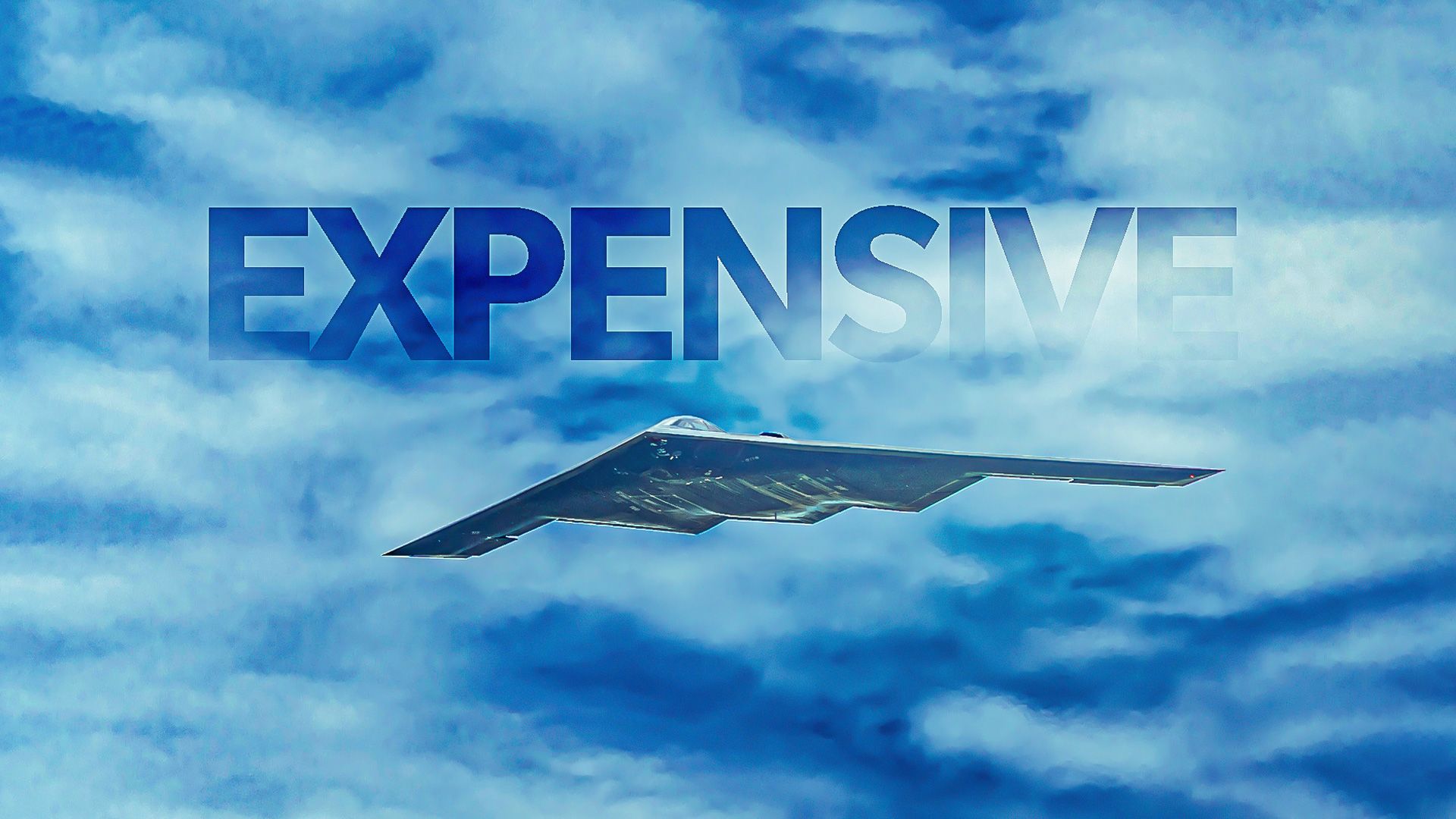
The Northrop Grumman B-2 Spirit, the world’s first stealth bomber, is facing an early retirement due to its exorbitant operating costs, which can reach as high as $200,000 per flight hour. The United States Air Force originally purchased 21 units of this advanced aircraft at a staggering price of just over $2 billion each. While the extensive research and development required for such a groundbreaking aircraft is widely recognized, the ongoing maintenance expenses have garnered less attention, significantly impacting the aircraft’s future viability.
The B-2 was designed to replace the Boeing B-52 Stratofortress, a bomber that has been in service since the 1950s. Despite being far older, the B-52 is projected to outlast the B-2. The upcoming B-21 Raider is expected to serve alongside the B-52 for decades, indicating a shift in operational strategy. The high maintenance demands of the B-2 are a primary reason for its decreasing relevance in modern warfare.
Understanding the High Costs of the B-2 Bomber
For every hour the B-2 flies, it requires between 50 and 60 hours of maintenance on the ground. This staggering ratio highlights the complexity of the aircraft, which has been described as an “exquisite” strike platform. The B-2’s sensitivity was emphasized by a notable incident in Guam, where an air data sensor failed due to rainwater infiltration, resulting in the loss of an airframe. Such vulnerabilities underscore the challenges associated with maintaining America’s most advanced bomber.
The B-2 program faced significant fiscal challenges from the outset. The short production run, following the end of the Cold War, resulted in high fixed costs being allocated to each individual aircraft. Consequently, only a limited number of skilled laborers and suppliers are available, necessitating continuous investment in training and operational support. The lack of economies of scale has resulted in what is often referred to as a “death spiral” in defense aerospace.
As the only military facility equipped to sustain the B-2, Whiteman Air Force Base houses this select fleet in climate-controlled hangars, which are costly to maintain. The aircraft’s radar-absorbent material (RAM) degrades rapidly in adverse weather conditions, further driving up maintenance expenses. Initial projections suggested a requirement for approximately 130 units, but the reduced order of only 21 aircraft left the Air Force with a significant surplus in training equipment and resources.
Advanced Technology and Its Maintenance Burden
The B-2 Spirit employs highly specialized systems that allow it to operate effectively in hostile environments. These systems include over 130 components, such as a nuclear-hardened navigation system, each requiring meticulous manual checks that can take days or even weeks to complete. The aircraft’s RAM coating is particularly sensitive, with environmental factors like humidity and bird droppings posing risks to its radar signature.
To maintain its stealth profile, the B-2 incorporates sophisticated design features, including an S-shaped engine intake and V-shaped exhaust nozzles that reduce its thermal footprint. Additionally, the aircraft’s Defensive Management System (DMS) detects enemy radar signals, allowing the crew to navigate through radar gaps effectively. Despite its impressive capabilities, the aircraft’s operational complexity leads to maintenance checks that are often custom jobs, further complicating the upkeep process.
Every seven years, the B-2 undergoes Programmed Depot Maintenance (PDM), a comprehensive overhaul that typically lasts over 400 days and involves significant disassembly and reassembly. Such extensive maintenance not only highlights the aircraft’s intricate design but also emphasizes the financial burden associated with its operation.
The advent of the B-21 Raider program reflects an evolution in the U.S. military’s approach to air power. Designed to avoid the pitfalls of the B-2’s procurement challenges, the B-21 aims to ensure a more sustainable operational model. With a commitment to at least 100 units, the B-21 is expected to maintain lower per-unit costs compared to its predecessors.
In contrast, the B-52 is significantly cheaper to operate with new Rolls-Royce F130 engines that enhance fuel efficiency. Its operational flexibility and high mission-capable rate of 75% make it a reliable choice for long-range strike missions.
As the B-2 Spirit nears the end of its operational life, its legacy serves as a lesson in balancing cutting-edge technology with sustainable operational practices. The evolution of the U.S. bomber fleet reflects the military’s ongoing efforts to adapt to contemporary threats while managing costs effectively.

Urgent Tax Savings Alert: Maximize Deductions Before April 15

Trump’s Administration Faces Uncertainty Over Government Shutdowns

Cosmic Defects: The Mystery of the Universe’s Missing Anomalies

Rapid City Parks Department Opens Registration for Bocce Leagues

Samsung Galaxy Watch 9 to Feature Larger 435mAh Battery Soon

Two Dead After Student Boats Capsize Off Okinawa Coast

Healthy Choice Wellness Reports Earnings with Mixed Results

Prince Harry Positions Himself as Royal Family’s Image Reviver

All Points North Lodge Achieves FSPHP-ETA Accreditation

Send Holiday Parcels for £1.99 with New Comparison Service

University of Hawaiʻi Leads $25M AI Project to Monitor Natural Disasters

Maui County Reopens Upgraded Lānaʻi Fifth Street Courts Today!

Daily Codeword Puzzle Launches on October 21, 2025

Congresswoman Under Fire for Misleading Epstein Donation Claims

Interstellar Object 3I/ATLAS Emits Unique Metal Alloy, Says Scientist

Trump Vows to Resolve Afghanistan-Pakistan Crisis “Very Quickly”

Charles Darwin’s Address Book Reveals Hidden Aspects of His Life

Rediscovering Chrysler: 5 Overlooked Models from the 1980s
-
 Lifestyle8 months ago
Send Holiday Parcels for £1.99 with New Comparison Service
-
Science9 months ago
University of Hawaiʻi Leads $25M AI Project to Monitor Natural Disasters
-
 Top Stories8 months ago
Maui County Reopens Upgraded Lānaʻi Fifth Street Courts Today!
-
 Entertainment10 months ago
Daily Codeword Puzzle Launches on October 21, 2025
-
 Lifestyle9 months ago
Congresswoman Under Fire for Misleading Epstein Donation Claims
-
 Science10 months ago
Interstellar Object 3I/ATLAS Emits Unique Metal Alloy, Says Scientist
-
 Top Stories9 months ago
Trump Vows to Resolve Afghanistan-Pakistan Crisis “Very Quickly”
-
 Science8 months ago
Charles Darwin’s Address Book Reveals Hidden Aspects of His Life
-
 Lifestyle8 months ago
Rediscovering Chrysler: 5 Overlooked Models from the 1980s
-

 Science7 months ago
Understanding Generation Z: Strategies for Engaging the Workforce
-

 Entertainment10 months ago
Kelly McCreary Discusses Future of Maggie and Winston in Grey’s Anatomy
-

 Top Stories8 months ago
aespa Faces Backlash Over G-Dragon Interaction at 2025 MAMAs