
World
Chinese Official’s Remarks Spark Outcry Over Free Speech in Hong Kong

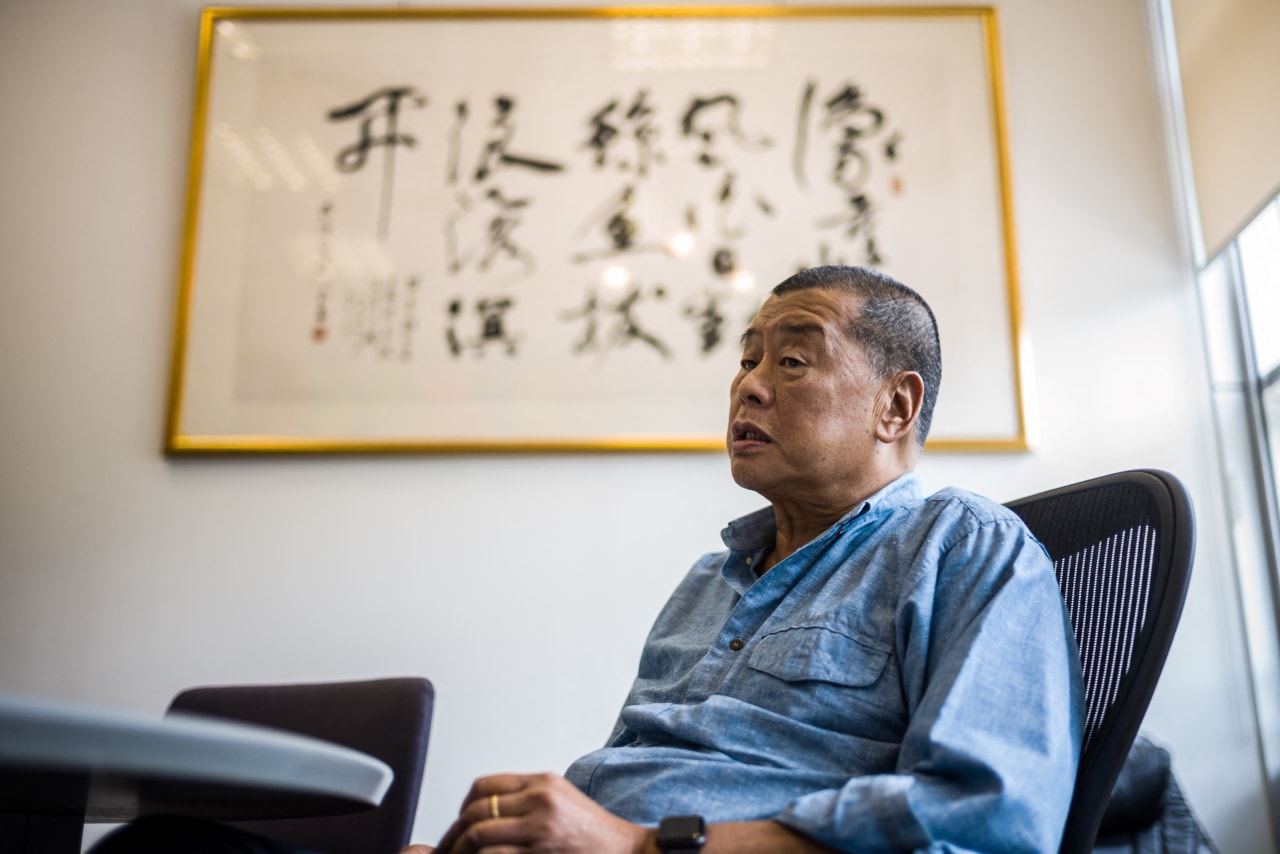
The recent comments made by Wang Wenbin, the spokesman for the Chinese Foreign Ministry, have ignited widespread controversy regarding freedom of speech in Hong Kong. During a press briefing on October 3, 2023, Wang suggested that certain expressions of dissent could be interpreted as a form of “speech crime,” raising concerns among human rights advocates and international observers.
Wang’s remarks came shortly after the United Nations urged China to uphold its commitments to the International Covenant on Civil and Political Rights. The covenant, which China ratified in 1998, emphasizes the importance of free expression and the protection of individual rights. Critics argue that the recent tightening of laws in Hong Kong undermines these protections, and Wang’s comments may signal a further erosion of freedoms in the region.
International Reaction to the Remarks
Human rights organizations have condemned Wang’s statements as a blatant threat to free speech. According to Amnesty International, this rhetoric reflects a broader pattern of increasing repression in Hong Kong, particularly following the implementation of the National Security Law in 2020. The law has been criticized for criminalizing various forms of dissent, effectively chilling free expression across the territory.
Many countries have also expressed concern over the implications of Wang’s comments. The United States State Department reiterated its support for the people of Hong Kong, emphasizing the critical need for safeguarding their rights and freedoms. A spokesperson stated, “The U.S. will continue to hold China accountable for its actions that undermine democracy and human rights in Hong Kong.”
Implications for Hong Kong’s Future
The implications of these developments are significant for the future of Hong Kong. Since the 2019 protests against the extradition bill, the territory has witnessed a substantial crackdown on dissent. Many activists have been jailed, and independent media outlets have faced severe restrictions. Wang’s remarks could exacerbate this climate of fear, making individuals hesitant to voice their opinions.
The international community is closely monitoring the situation. Diplomatic efforts to address the issue are ongoing, with several nations considering sanctions against Chinese officials implicated in human rights abuses. The situation in Hong Kong serves as a critical test for global norms regarding free speech and political expression.
As discussions continue, the balance between national security and individual rights remains a contentious issue. The recent statements from the Chinese Foreign Ministry highlight the ongoing challenges faced by advocates of free speech in Hong Kong, drawing attention to the need for sustained international advocacy and support for the preservation of fundamental human rights.

Urgent Tax Savings Alert: Maximize Deductions Before April 15

Trump’s Administration Faces Uncertainty Over Government Shutdowns

Cosmic Defects: The Mystery of the Universe’s Missing Anomalies

Rapid City Parks Department Opens Registration for Bocce Leagues

Samsung Galaxy Watch 9 to Feature Larger 435mAh Battery Soon

Two Dead After Student Boats Capsize Off Okinawa Coast

Healthy Choice Wellness Reports Earnings with Mixed Results

Prince Harry Positions Himself as Royal Family’s Image Reviver

All Points North Lodge Achieves FSPHP-ETA Accreditation

Send Holiday Parcels for £1.99 with New Comparison Service

University of Hawaiʻi Leads $25M AI Project to Monitor Natural Disasters

Maui County Reopens Upgraded Lānaʻi Fifth Street Courts Today!

Daily Codeword Puzzle Launches on October 21, 2025

Congresswoman Under Fire for Misleading Epstein Donation Claims

Interstellar Object 3I/ATLAS Emits Unique Metal Alloy, Says Scientist

Trump Vows to Resolve Afghanistan-Pakistan Crisis “Very Quickly”

Charles Darwin’s Address Book Reveals Hidden Aspects of His Life

Rediscovering Chrysler: 5 Overlooked Models from the 1980s
-
 Lifestyle8 months ago
Send Holiday Parcels for £1.99 with New Comparison Service
-
Science9 months ago
University of Hawaiʻi Leads $25M AI Project to Monitor Natural Disasters
-
 Top Stories8 months ago
Maui County Reopens Upgraded Lānaʻi Fifth Street Courts Today!
-
 Entertainment10 months ago
Daily Codeword Puzzle Launches on October 21, 2025
-
 Lifestyle9 months ago
Congresswoman Under Fire for Misleading Epstein Donation Claims
-
 Science10 months ago
Interstellar Object 3I/ATLAS Emits Unique Metal Alloy, Says Scientist
-
 Top Stories9 months ago
Trump Vows to Resolve Afghanistan-Pakistan Crisis “Very Quickly”
-
 Science8 months ago
Charles Darwin’s Address Book Reveals Hidden Aspects of His Life
-
 Lifestyle8 months ago
Rediscovering Chrysler: 5 Overlooked Models from the 1980s
-
 Science7 months ago
Understanding Generation Z: Strategies for Engaging the Workforce
-

 Entertainment10 months ago
Kelly McCreary Discusses Future of Maggie and Winston in Grey’s Anatomy
-

 Top Stories8 months ago
aespa Faces Backlash Over G-Dragon Interaction at 2025 MAMAs