
World
Data Centers Transform West Virginia’s Economy and Environment

West Virginia is experiencing a significant shift as data centers and bitcoin mining operations take root in rural areas, mirroring the impacts once seen with coal mining. This transformation has broader implications that may not be immediately noticeable but will likely affect local communities through higher utility bills and environmental concerns.
The emergence of data centers in West Virginia reflects a national trend, with 37 states modifying their tax codes and regulatory frameworks to attract these facilities. According to the National Conference of State Legislatures, billions in tax exemptions are granted annually, incentivizing companies to establish operations in regions with weaker regulations. In West Virginia, the situation is particularly pronounced, as the state has a long history of resource extraction and its associated consequences.
Data centers, while often promoted as clean and forward-thinking, echo the environmental degradation associated with coal mining. For instance, Blockchain Power Corp. has announced its plans to establish several bitcoin mines in abandoned coal sites across West Virginia, including locations such as Hazelton and Blacksville. These facilities require substantial energy, consuming around 107 megawatts to operate their specialized computers, which serve a global market rather than local needs. A single hydrocooling site utilizes 200,000 gallons of water to prevent overheating, with only 44 employees engaged at these operations.
While coal mining once provided hundreds of jobs, the current data center boom offers minimal employment opportunities relative to the resources consumed. The sales pitches from tech executives touting “work ethic” and an “abundance of water” in the Monongahela River are reminiscent of past coal industry promises. The new Power Generation and Consumption Act, signed into law by Governor Patrick Morrisey in April 2023, facilitates these developments, allowing companies to bypass local regulations on zoning, noise, and land use.
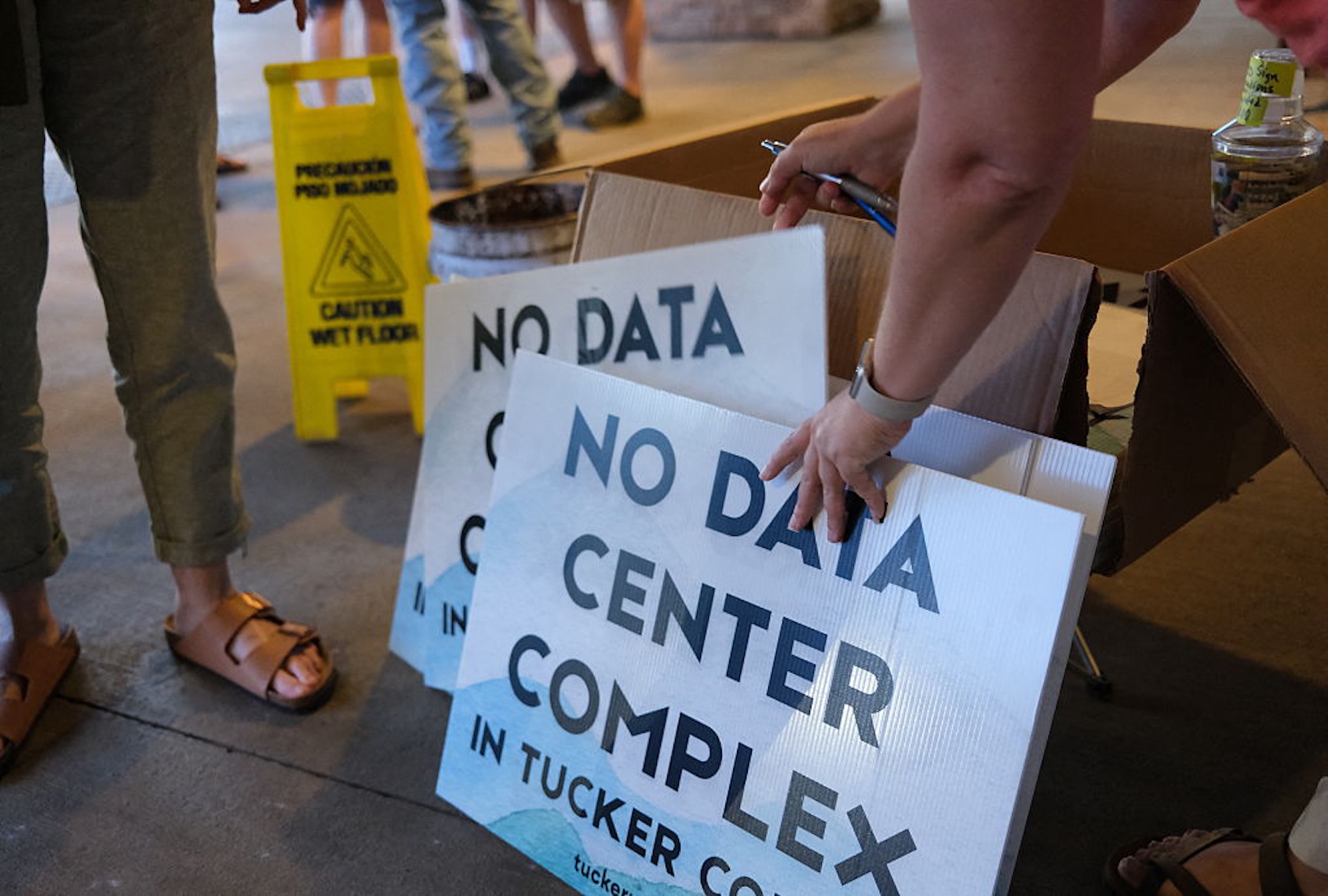
In Tucker County, a Virginia-based firm is seeking to build an off-grid gas plant to power its private data complex. Residents are raising critical questions about water sourcing, noise levels, and air quality, but are often met with vague responses and redacted permits. Similar projects are being proposed in Mingo County and other regions, with the potential for data centers to consume millions of gallons of water daily, equivalent to the needs of a town with a population between 10,000 and 50,000 people.
The historical context of West Virginia’s extraction industries shapes community responses to new developments. Past cycles of exploitation have left lasting scars, including environmental degradation and economic instability. Residents remember the promises made by previous industries that ultimately failed to deliver lasting benefits, leading to skepticism regarding the longevity and reliability of data centers.
The regulatory framework surrounding these projects appears designed to prioritize corporate interests over local needs. Agencies responsible for permitting often operate with limited public input, ensuring that decisions favor industry rather than community welfare. The perception of West Virginia as “open for business” has led to a lack of local control, leaving communities vulnerable to the impacts of rapid industrialization.
As these data centers establish themselves, the potential for economic downturns looms. Industries reliant on volatile markets, such as bitcoin mining and artificial intelligence, can shift dramatically based on investor trends. Should these companies choose to relocate or shut down operations, the economic ramifications for local communities could be severe.
In summary, West Virginia is at a critical juncture as it navigates the complexities of a new economic landscape dominated by data centers. The legacy of coal mining casts a long shadow, reminding residents of the potential pitfalls associated with resource extraction. As the state grapples with these changes, the balance between attracting investment and protecting local interests remains a challenging task.

Urgent Tax Savings Alert: Maximize Deductions Before April 15

Trump’s Administration Faces Uncertainty Over Government Shutdowns

Cosmic Defects: The Mystery of the Universe’s Missing Anomalies

Rapid City Parks Department Opens Registration for Bocce Leagues

Samsung Galaxy Watch 9 to Feature Larger 435mAh Battery Soon

Two Dead After Student Boats Capsize Off Okinawa Coast

Healthy Choice Wellness Reports Earnings with Mixed Results

Prince Harry Positions Himself as Royal Family’s Image Reviver

All Points North Lodge Achieves FSPHP-ETA Accreditation

Send Holiday Parcels for £1.99 with New Comparison Service

University of Hawaiʻi Leads $25M AI Project to Monitor Natural Disasters

Maui County Reopens Upgraded Lānaʻi Fifth Street Courts Today!

Daily Codeword Puzzle Launches on October 21, 2025

Congresswoman Under Fire for Misleading Epstein Donation Claims

Interstellar Object 3I/ATLAS Emits Unique Metal Alloy, Says Scientist

Trump Vows to Resolve Afghanistan-Pakistan Crisis “Very Quickly”

Charles Darwin’s Address Book Reveals Hidden Aspects of His Life

Rediscovering Chrysler: 5 Overlooked Models from the 1980s
-
 Lifestyle8 months ago
Send Holiday Parcels for £1.99 with New Comparison Service
-
Science9 months ago
University of Hawaiʻi Leads $25M AI Project to Monitor Natural Disasters
-
 Top Stories8 months ago
Maui County Reopens Upgraded Lānaʻi Fifth Street Courts Today!
-
 Entertainment10 months ago
Daily Codeword Puzzle Launches on October 21, 2025
-
 Lifestyle9 months ago
Congresswoman Under Fire for Misleading Epstein Donation Claims
-
 Science10 months ago
Interstellar Object 3I/ATLAS Emits Unique Metal Alloy, Says Scientist
-
 Top Stories9 months ago
Trump Vows to Resolve Afghanistan-Pakistan Crisis “Very Quickly”
-
 Science8 months ago
Charles Darwin’s Address Book Reveals Hidden Aspects of His Life
-
 Lifestyle8 months ago
Rediscovering Chrysler: 5 Overlooked Models from the 1980s
-

 Science7 months ago
Understanding Generation Z: Strategies for Engaging the Workforce
-

 Entertainment10 months ago
Kelly McCreary Discusses Future of Maggie and Winston in Grey’s Anatomy
-

 Top Stories8 months ago
aespa Faces Backlash Over G-Dragon Interaction at 2025 MAMAs