
World
US Airlines Expand Transatlantic Reach with New Nonstop Routes

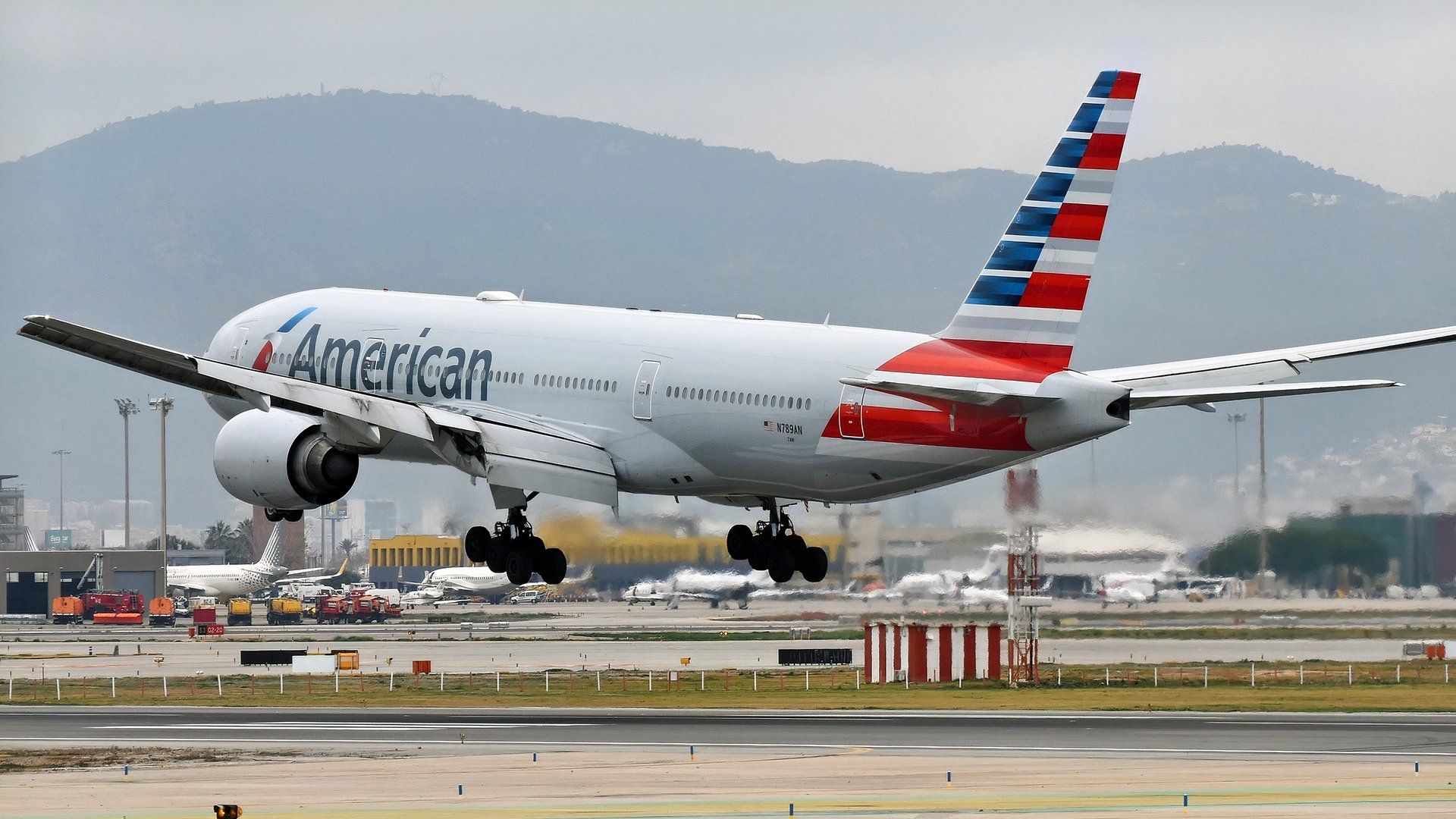
The number of nonstop flights from the United States to Europe is set to increase significantly in 2026, with an average of 530 daily passenger flights expected this year. According to data from Cirium Diio, this marks a 3% rise in services compared to the previous year, reflecting growing demand for transatlantic travel. Airlines from both the US and Europe are launching new routes, further enhancing connectivity between the two regions.
New Routes and Expanding Options
The expansion includes nearly 40 passenger airlines operating between the US and Europe. Among the newcomers is HiSky, a lesser-known carrier that will enhance its long-haul network by introducing flights from Bucharest to Chicago. However, it does not feature among the longest flights.
The longest nonstop flights from the US to Europe predominantly originate from the West Coast and central regions of the country, with European cities on the continent’s periphery playing a crucial role. Notably, Istanbul Airport is a key hub, accounting for half of these markets. A significant addition to the longest flight list is set for May 21, 2026, when American Airlines will commence its first nonstop route from Dallas/Fort Worth to Athens. This will mark a milestone as the airline adds a fifth route to Athens, offering up to five daily flights.
While Athens had nonstop service to Los Angeles in 2025 through Norse Atlantic, that service was seasonal and only operated from June to September. Despite achieving an 88% seat occupancy rate, the overall performance was less than satisfactory, leading to the discontinuation of the route.
Longest Flight Times and Capacity Plans
As of 2026, the following routes will feature the longest block times for nonstop flights:
– **14h 05m**: Istanbul to Los Angeles with Turkish Airlines, operating 12 to 17 times weekly using A350-900, 777-300ER, and 787-9 aircraft.
– **14h 00m**: Istanbul to San Francisco, also with Turkish Airlines, running nine to 12 times weekly.
– **13h 25m**: Athens to Dallas/Fort Worth, serviced daily on a seasonal basis by American Airlines using the 777-200ER.
– **13h 20m**: Rome Fiumicino to Los Angeles by both ITA Airways and Norse Atlantic.
– **13h 15m**: Istanbul to Dallas/Fort Worth, with up to ten weekly flights operated by Turkish Airlines.
The performance of Turkish Airlines on its Los Angeles route has been noteworthy since its debut in March 2011. By September 2025, the airline had transported nearly 3.6 million passengers, achieving an average seat load factor of 82%. However, this figure reflects a decline compared to previous years, primarily due to a 9% increase in available seats, while passenger traffic only rose by 4%.
In 2026, Turkish Airlines plans to operate up to 17 weekly flights to Los Angeles, maintaining the same maximum service levels as in 2025. These flights will depart Los Angeles at various times, including 12:30 AM and 1:25 PM on the Boeing 787-9, and at 8:10 PM on the 777-300ER.
As the airline industry adjusts to changing travel patterns, the performance of these routes will be closely monitored. If demand does not meet expectations, airlines may reduce frequencies or adjust their service offerings.
The US Department of Transportation’s data from September 2025 indicates that between January and September of that year, Turkish Airlines carried approximately 316,000 round-trip passengers from Los Angeles. Notably, around 72% of these passengers connected to other flights in Istanbul. The most popular connecting markets included Tehran, Cairo, and Beirut, reflecting the diverse travel patterns of passengers.
As airlines prepare for 2026, the introduction of new routes and expanded service options signals a robust recovery in transatlantic travel, promising greater accessibility for passengers traveling between the US and Europe.

Urgent Tax Savings Alert: Maximize Deductions Before April 15

Trump’s Administration Faces Uncertainty Over Government Shutdowns

Cosmic Defects: The Mystery of the Universe’s Missing Anomalies

Rapid City Parks Department Opens Registration for Bocce Leagues

Samsung Galaxy Watch 9 to Feature Larger 435mAh Battery Soon

Two Dead After Student Boats Capsize Off Okinawa Coast

Healthy Choice Wellness Reports Earnings with Mixed Results

Prince Harry Positions Himself as Royal Family’s Image Reviver

All Points North Lodge Achieves FSPHP-ETA Accreditation

Send Holiday Parcels for £1.99 with New Comparison Service

University of Hawaiʻi Leads $25M AI Project to Monitor Natural Disasters

Maui County Reopens Upgraded Lānaʻi Fifth Street Courts Today!

Daily Codeword Puzzle Launches on October 21, 2025

Congresswoman Under Fire for Misleading Epstein Donation Claims

Interstellar Object 3I/ATLAS Emits Unique Metal Alloy, Says Scientist

Trump Vows to Resolve Afghanistan-Pakistan Crisis “Very Quickly”

Charles Darwin’s Address Book Reveals Hidden Aspects of His Life

Rediscovering Chrysler: 5 Overlooked Models from the 1980s
-
 Lifestyle8 months ago
Send Holiday Parcels for £1.99 with New Comparison Service
-
Science9 months ago
University of Hawaiʻi Leads $25M AI Project to Monitor Natural Disasters
-
 Top Stories8 months ago
Maui County Reopens Upgraded Lānaʻi Fifth Street Courts Today!
-
 Entertainment10 months ago
Daily Codeword Puzzle Launches on October 21, 2025
-
 Lifestyle9 months ago
Congresswoman Under Fire for Misleading Epstein Donation Claims
-
 Science10 months ago
Interstellar Object 3I/ATLAS Emits Unique Metal Alloy, Says Scientist
-
 Top Stories9 months ago
Trump Vows to Resolve Afghanistan-Pakistan Crisis “Very Quickly”
-
 Science8 months ago
Charles Darwin’s Address Book Reveals Hidden Aspects of His Life
-
 Lifestyle8 months ago
Rediscovering Chrysler: 5 Overlooked Models from the 1980s
-

 Science7 months ago
Understanding Generation Z: Strategies for Engaging the Workforce
-

 Entertainment10 months ago
Kelly McCreary Discusses Future of Maggie and Winston in Grey’s Anatomy
-

 Top Stories8 months ago
aespa Faces Backlash Over G-Dragon Interaction at 2025 MAMAs