
Entertainment
Public Domain Day Celebrates Creative Works from 1930 and 1925

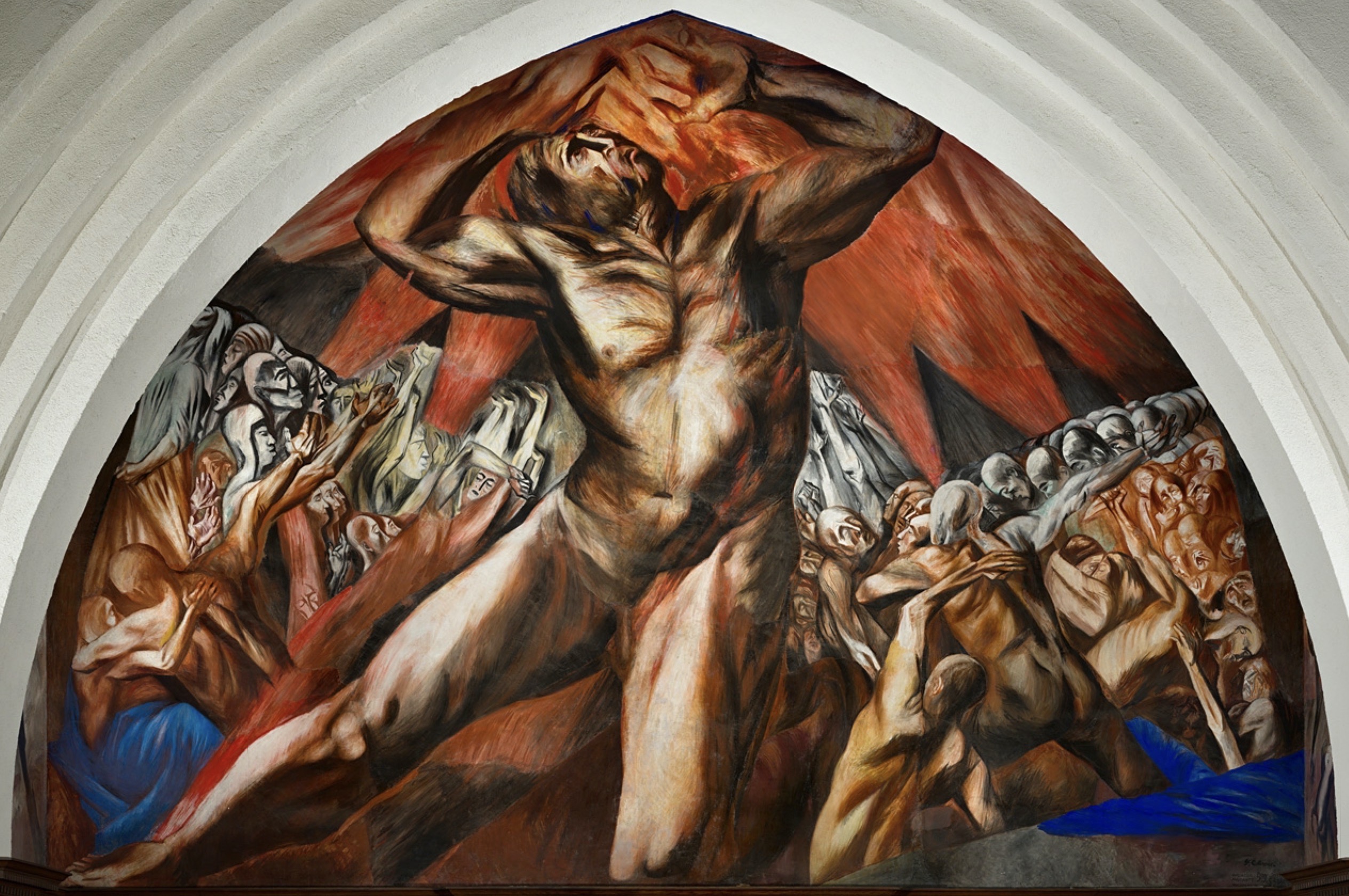
January 1 marks the annual celebration of Public Domain Day, a moment when a variety of creative works enter the public domain, allowing them to be freely used, adapted, and remixed. This year, works copyrighted in **1930**, including films, books, and music, as well as sound recordings made in **1925**, are now accessible to everyone.
The significance of this day extends beyond legal implications; it highlights the intersection of culture, creativity, and history. For instance, **1930** was pivotal in the film industry, marking the transition to sound films. Iconic performances such as **Greta Garbo**’s debut in “**Anna Christie**”—which famously announced “Garbo Talks!”—are now part of the public domain. This allows modern creators to incorporate her voice into new works.
**John Wayne** also made his cinematic debut in **1930** with “**The Big Trail**,” while the **Marx Brothers** made audiences laugh for the first time in “**Animal Crackers**.” Additionally, **Lewis Milestone**’s “**All Quiet on the Western Front**,” an important anti-war film, is now available for public viewing and adaptation.
A notable highlight is the entry of **William Faulkner**’s novel “**As I Lay Dying**” into the public domain this year. Alongside it, **Dashiell Hammett**’s “**The Maltese Falcon**” (the book version), and the first four novels in the **Nancy Drew** series by **Carolyn Keene** join the roster of works now freely accessible. Young readers can also enjoy “**The Little Engine That Could**,” illustrating the lasting impact of literature from this era.
Cartoons have always inspired creativity, and this year is no exception. The original version of **Betty Boop**, who first appeared in the short film “**Dizzy Dishes**,” is now available for creative reinterpretation. Following the earlier public domain status of **Mickey Mouse** cartoons, new opportunities arise for creators to explore the classic characters in innovative ways.
In the realm of music, compositions published in **1930** have also entered the public domain. This includes significant works by **George** and **Ira Gershwin**, such as “**I Got Rhythm**” and “**Embraceable You**.” Notably, **Hoagy Carmichael**’s “**Georgia On My Mind**” is now free to use, although sound recordings remain protected for a longer duration. This year marks the entry of **“St. Louis Blues,”** recorded by **Bessie Smith** in **1925**, featuring **Louis Armstrong**.
The implications of Public Domain Day are far-reaching. Creators can now access a wealth of cultural material, enriching their work while paying homage to the past. As the landscape of creativity continues to evolve, the celebration of these works reminds us of the importance of artistic heritage and the joy of reimagining it for future generations.
Public Domain Day serves not only as a legal milestone but as a cultural event that invites everyone to engage with art and literature in new, imaginative ways. As these classic works become available, they inspire a renewed appreciation for the creativity that has shaped our cultural landscape.

Urgent Tax Savings Alert: Maximize Deductions Before April 15

Trump’s Administration Faces Uncertainty Over Government Shutdowns

Cosmic Defects: The Mystery of the Universe’s Missing Anomalies

Rapid City Parks Department Opens Registration for Bocce Leagues

Samsung Galaxy Watch 9 to Feature Larger 435mAh Battery Soon

Two Dead After Student Boats Capsize Off Okinawa Coast

Healthy Choice Wellness Reports Earnings with Mixed Results

Prince Harry Positions Himself as Royal Family’s Image Reviver

All Points North Lodge Achieves FSPHP-ETA Accreditation

Send Holiday Parcels for £1.99 with New Comparison Service

University of Hawaiʻi Leads $25M AI Project to Monitor Natural Disasters

Maui County Reopens Upgraded Lānaʻi Fifth Street Courts Today!

Daily Codeword Puzzle Launches on October 21, 2025

Congresswoman Under Fire for Misleading Epstein Donation Claims

Interstellar Object 3I/ATLAS Emits Unique Metal Alloy, Says Scientist

Trump Vows to Resolve Afghanistan-Pakistan Crisis “Very Quickly”

Charles Darwin’s Address Book Reveals Hidden Aspects of His Life

Rediscovering Chrysler: 5 Overlooked Models from the 1980s
-
 Lifestyle8 months ago
Send Holiday Parcels for £1.99 with New Comparison Service
-
Science9 months ago
University of Hawaiʻi Leads $25M AI Project to Monitor Natural Disasters
-
 Top Stories8 months ago
Maui County Reopens Upgraded Lānaʻi Fifth Street Courts Today!
-
 Entertainment10 months ago
Daily Codeword Puzzle Launches on October 21, 2025
-
 Lifestyle9 months ago
Congresswoman Under Fire for Misleading Epstein Donation Claims
-
 Science10 months ago
Interstellar Object 3I/ATLAS Emits Unique Metal Alloy, Says Scientist
-
 Top Stories9 months ago
Trump Vows to Resolve Afghanistan-Pakistan Crisis “Very Quickly”
-
 Science8 months ago
Charles Darwin’s Address Book Reveals Hidden Aspects of His Life
-
 Lifestyle8 months ago
Rediscovering Chrysler: 5 Overlooked Models from the 1980s
-
 Science7 months ago
Understanding Generation Z: Strategies for Engaging the Workforce
-

 Entertainment10 months ago
Kelly McCreary Discusses Future of Maggie and Winston in Grey’s Anatomy
-

 Top Stories8 months ago
aespa Faces Backlash Over G-Dragon Interaction at 2025 MAMAs