
Health
Understanding Muscle Types: Lean vs. Bulk and Their Impact

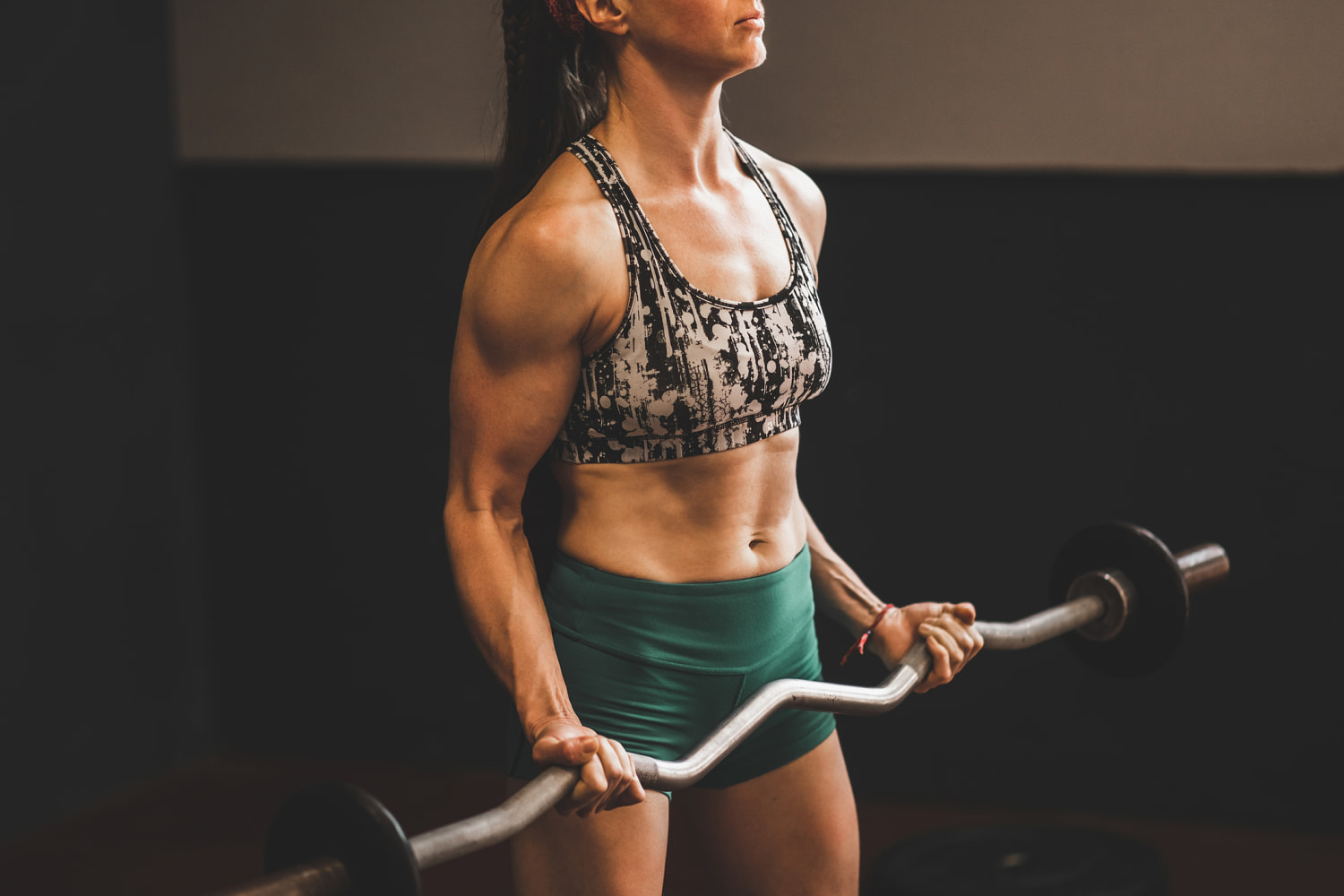
Recent discussions about fitness have spotlighted a common misconception: the differences between “lean” and “bulk” muscle. Despite popular belief, muscle itself is consistent across the board, and the terms “lean” and “bulk” refer more to appearance rather than distinct muscle types. This clarification comes from experts like K. Aleisha Fetters, a certified strength and conditioning specialist, and Cedric X. Bryant, Ph.D., CEO of the American Council on Exercise.
Understanding the nature of muscle begins with recognizing that there are three types: smooth muscle, cardiac muscle, and skeletal muscle. According to the Cleveland Clinic, skeletal muscle is the primary type developed through exercise. Both “lean” and “bulk” muscle are composed of the same tissue and fibers; the difference lies in how they appear based on body fat levels and overall muscle mass.
The Illusion of Lean and Bulk Muscle
When individuals refer to “lean muscle,” they often describe a physique that showcases more muscle definition, typically achieved by reducing body fat. As Dr. Bryant explains, “lean” generally indicates muscle that appears more defined due to less body fat covering it. Conversely, “bulk” muscle usually describes a larger overall muscle size, often supported by a higher caloric intake to facilitate growth.
The visual differences in muscle on various bodies are influenced by factors such as total muscle mass, training intensity, nutrition, individual body structure, and body fat percentage. Increased body fat can create a bulkier appearance, while reduced body fat tends to highlight muscle definition.
Health Implications of Muscle Types
Both lean and bulk physiques come with their own sets of advantages and disadvantages. A leaner physique can enhance agility, endurance, and relative strength, while a bulkier physique may offer greater absolute strength and a higher resting metabolism. Importantly, both physiques can be healthy and functional, depending on individual goals.
Muscle fibers also exhibit differences that contribute to performance. According to the Cleveland Clinic, skeletal muscles consist of two primary fiber types: type 1 (slow-twitch) and type 2 (fast-twitch). Type 1 fibers are optimized for endurance activities, making them ideal for long-distance runners and cyclists. In contrast, type 2 fibers are suited for high-intensity movements, like sprinting and weightlifting, and can contribute to a more muscular appearance.
The choice between pursuing a lean or bulk physique should not be dictated solely by aesthetics. As Dr. Bryant states, “no single physique guarantees better health.” What truly matters is maintaining muscle and strength, staying physically active, and following a sustainable exercise routine that supports overall health.
Individuals with lean physiques often consume fewer calories, whether they are in a caloric deficit or at maintenance, while those striving for a bulkier look tend to operate in a caloric surplus. This dietary approach may lead to an increase in overall body fat.
Ultimately, the perception of being lean or bulky is shaped by muscle mass, body fat, genetics, and lifestyle choices. The best exercise approach is one tailored to an individual’s unique goals and body type, prioritizing strength and consistent movement over mere appearance.

Urgent Tax Savings Alert: Maximize Deductions Before April 15

Trump’s Administration Faces Uncertainty Over Government Shutdowns

Cosmic Defects: The Mystery of the Universe’s Missing Anomalies

Rapid City Parks Department Opens Registration for Bocce Leagues

Samsung Galaxy Watch 9 to Feature Larger 435mAh Battery Soon

Two Dead After Student Boats Capsize Off Okinawa Coast

Healthy Choice Wellness Reports Earnings with Mixed Results

Prince Harry Positions Himself as Royal Family’s Image Reviver

All Points North Lodge Achieves FSPHP-ETA Accreditation

Send Holiday Parcels for £1.99 with New Comparison Service

University of Hawaiʻi Leads $25M AI Project to Monitor Natural Disasters

Maui County Reopens Upgraded Lānaʻi Fifth Street Courts Today!

Daily Codeword Puzzle Launches on October 21, 2025

Congresswoman Under Fire for Misleading Epstein Donation Claims

Interstellar Object 3I/ATLAS Emits Unique Metal Alloy, Says Scientist

Trump Vows to Resolve Afghanistan-Pakistan Crisis “Very Quickly”

Charles Darwin’s Address Book Reveals Hidden Aspects of His Life

Rediscovering Chrysler: 5 Overlooked Models from the 1980s
-
 Lifestyle8 months ago
Send Holiday Parcels for £1.99 with New Comparison Service
-
Science9 months ago
University of Hawaiʻi Leads $25M AI Project to Monitor Natural Disasters
-
 Top Stories8 months ago
Maui County Reopens Upgraded Lānaʻi Fifth Street Courts Today!
-
 Entertainment10 months ago
Daily Codeword Puzzle Launches on October 21, 2025
-
 Lifestyle9 months ago
Congresswoman Under Fire for Misleading Epstein Donation Claims
-
 Science10 months ago
Interstellar Object 3I/ATLAS Emits Unique Metal Alloy, Says Scientist
-
 Top Stories9 months ago
Trump Vows to Resolve Afghanistan-Pakistan Crisis “Very Quickly”
-
 Science8 months ago
Charles Darwin’s Address Book Reveals Hidden Aspects of His Life
-
 Lifestyle8 months ago
Rediscovering Chrysler: 5 Overlooked Models from the 1980s
-

 Science7 months ago
Understanding Generation Z: Strategies for Engaging the Workforce
-

 Entertainment10 months ago
Kelly McCreary Discusses Future of Maggie and Winston in Grey’s Anatomy
-

 Top Stories8 months ago
aespa Faces Backlash Over G-Dragon Interaction at 2025 MAMAs