
World
Iran Faces Unprecedented Protests Amid Economic Crisis

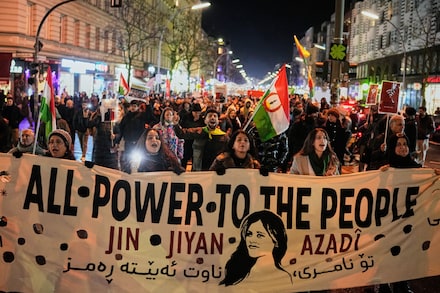
Large-scale protests have erupted across Iran over the past three weeks, marking a significant crisis for the nation. The demonstrations, which began in response to deteriorating economic conditions and the collapse of the Iranian riyal, have been met with a brutal crackdown by government forces. This unrest is one of the most substantial challenges to the Islamic Republic since the 1979 Islamic Revolution.
The protests were initially sparked by skyrocketing inflation and the plummeting value of the national currency, which has fallen sharply, leading to widespread dissatisfaction among citizens. As the situation escalated, the protests transformed from a focus on economic grievances to broader demands for political change, including calls for the end of the Islamic Republic itself.
Government Response and Consequences
In response to the protests, the Iranian government has deployed security forces to quell the unrest. Reports indicate that the crackdown has resulted in numerous casualties, with various human rights organizations estimating that dozens of protesters have been killed. The Iranian authorities have justified their actions as necessary to maintain public order, yet this has only intensified public outrage.
The protests have taken place in major cities, including Tehran, where thousands have gathered to voice their discontent. The scale and intensity of these demonstrations demonstrate a significant shift in the public mood, as many Iranians express frustration not only with economic hardships but also with the political repression they have faced for decades.
Wider Implications of the Protests
The ongoing unrest poses serious implications for the Iranian government, which has struggled to manage its economy amidst sanctions and a lack of foreign investment. As the protests continue, the potential for further escalation remains high, with many citizens calling for systemic change. This unrest may affect the stability of the region, as Iran plays a critical role in Middle Eastern geopolitics.
Observers note that the current protests differ from previous movements, as they encompass a wider range of grievances, uniting citizens from various backgrounds. The discontent has resonated through social media platforms, amplifying the voices of the protesters and drawing international attention to their plight.
As the situation evolves, the Iranian government faces a critical moment. The decision on how to respond could shape the future of the nation, influencing its political landscape and economic stability for years to come. The world watches closely, understanding that the outcomes of these protests could have far-reaching consequences beyond Iran’s borders.

Urgent Tax Savings Alert: Maximize Deductions Before April 15

Trump’s Administration Faces Uncertainty Over Government Shutdowns

Cosmic Defects: The Mystery of the Universe’s Missing Anomalies

Rapid City Parks Department Opens Registration for Bocce Leagues

Samsung Galaxy Watch 9 to Feature Larger 435mAh Battery Soon

Two Dead After Student Boats Capsize Off Okinawa Coast

Healthy Choice Wellness Reports Earnings with Mixed Results

Prince Harry Positions Himself as Royal Family’s Image Reviver

All Points North Lodge Achieves FSPHP-ETA Accreditation

Send Holiday Parcels for £1.99 with New Comparison Service

University of Hawaiʻi Leads $25M AI Project to Monitor Natural Disasters

Maui County Reopens Upgraded Lānaʻi Fifth Street Courts Today!

Daily Codeword Puzzle Launches on October 21, 2025

Congresswoman Under Fire for Misleading Epstein Donation Claims

Interstellar Object 3I/ATLAS Emits Unique Metal Alloy, Says Scientist

Trump Vows to Resolve Afghanistan-Pakistan Crisis “Very Quickly”

Charles Darwin’s Address Book Reveals Hidden Aspects of His Life

Rediscovering Chrysler: 5 Overlooked Models from the 1980s
-
 Lifestyle8 months ago
Send Holiday Parcels for £1.99 with New Comparison Service
-
Science9 months ago
University of Hawaiʻi Leads $25M AI Project to Monitor Natural Disasters
-
 Top Stories8 months ago
Maui County Reopens Upgraded Lānaʻi Fifth Street Courts Today!
-
 Entertainment10 months ago
Daily Codeword Puzzle Launches on October 21, 2025
-
 Lifestyle9 months ago
Congresswoman Under Fire for Misleading Epstein Donation Claims
-
 Science10 months ago
Interstellar Object 3I/ATLAS Emits Unique Metal Alloy, Says Scientist
-
 Top Stories9 months ago
Trump Vows to Resolve Afghanistan-Pakistan Crisis “Very Quickly”
-
 Science8 months ago
Charles Darwin’s Address Book Reveals Hidden Aspects of His Life
-
 Lifestyle8 months ago
Rediscovering Chrysler: 5 Overlooked Models from the 1980s
-
 Science7 months ago
Understanding Generation Z: Strategies for Engaging the Workforce
-

 Entertainment10 months ago
Kelly McCreary Discusses Future of Maggie and Winston in Grey’s Anatomy
-

 Entertainment7 months ago
Landmark Shift as Iconic Anime Series Concludes After 26 Years