
World
TSMC Expands Operations in the U.S. to Secure Global Leadership

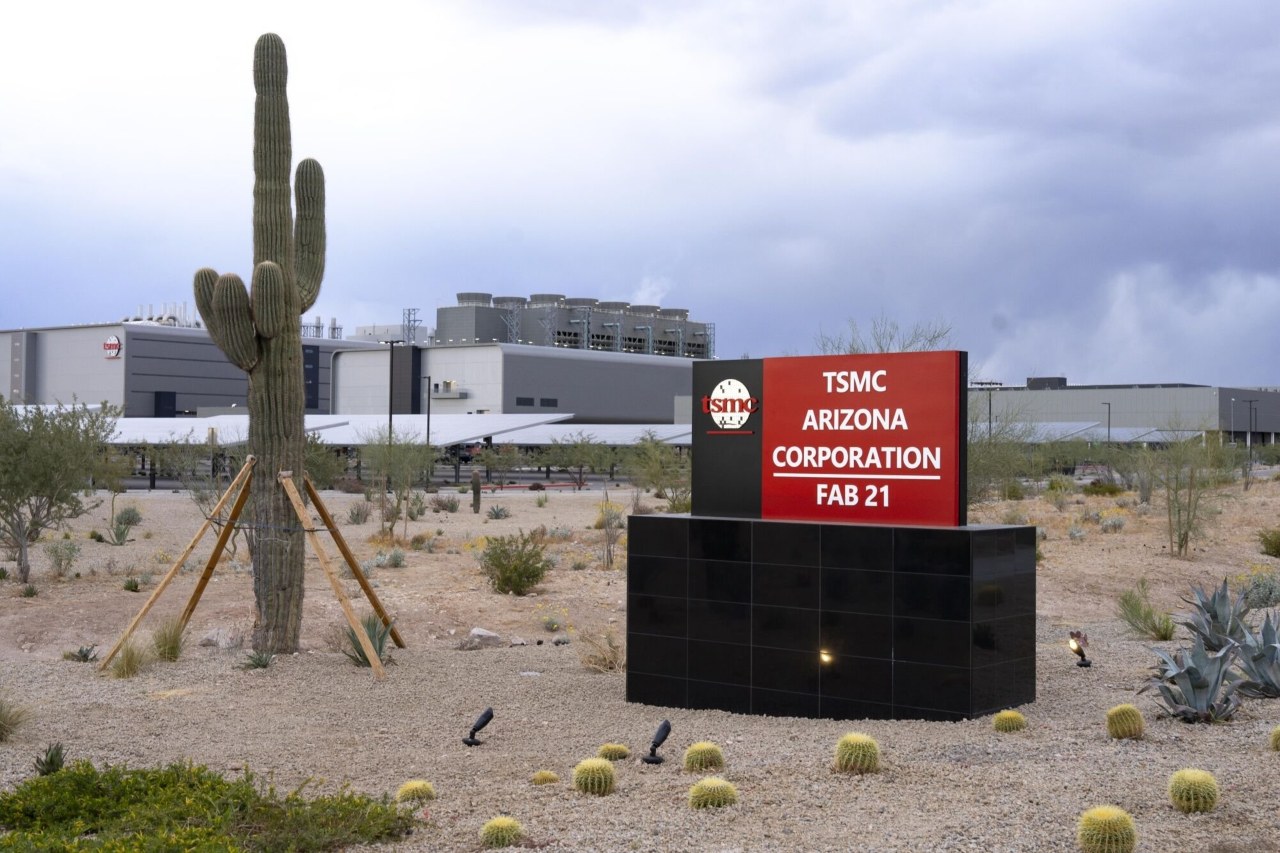
The Taiwan Semiconductor Manufacturing Company (TSMC) is setting its sights on a significant expansion in the United States, marking a pivotal shift in its global strategy. This move comes as TSMC seeks to navigate both business opportunities and the complexities of geopolitical tensions surrounding Taiwan. The company, known for its critical role in the semiconductor industry, aims to enhance its operational footprint in a region that has become increasingly important to its long-term success.
In a recent announcement, TSMC revealed plans to invest $12 billion in a new facility located in Arizona. This site is expected to commence production in 2024, with a focus on advanced chip manufacturing technologies. The company’s leadership highlighted that this expansion not only aims to meet growing global demand but also serves as a strategic response to the uncertainties in the Asia-Pacific region.
Strategic Expansion Amid Global Challenges
The decision to bolster operations in the U.S. is influenced by a combination of factors, including the need to diversify production locations and mitigate risks associated with potential disruptions in Taiwan. The ongoing tensions between China and Taiwan have heightened concerns over the stability of semiconductor supply chains, which are vital for various sectors, including automotive, telecommunications, and consumer electronics.
Mark Liu, Chairman of TSMC, emphasized the importance of this investment during a press conference. He stated, “By establishing a significant presence in the U.S., we are ensuring that we can continue to provide our customers with the most advanced technologies while also contributing to the security of the semiconductor supply chain globally.” This sentiment underscores the dual objectives of enhancing business operations and addressing geopolitical realities.
Impact on the Semiconductor Landscape
The expansion into the U.S. is not just about TSMC; it also reflects broader trends within the semiconductor industry. As nations recognize the strategic value of semiconductor production, governments are increasingly incentivizing local manufacturing. The U.S. government, in particular, has introduced measures to support domestic chip production, including the CHIPS Act, which aims to boost funding for semiconductor research and manufacturing.
TSMC’s commitment to Arizona is a significant endorsement of these initiatives. The new facility is expected to create thousands of jobs, which will have a positive impact on the local economy. As the demand for semiconductors continues to rise, driven by advancements in technology such as artificial intelligence and 5G, TSMC’s investment positions it well to cater to both existing and new markets.
The ripple effects of TSMC’s decision extend beyond its immediate business interests. Industry analysts suggest that this move could encourage other semiconductor companies to consider similar expansions in the U.S., further reshaping the global semiconductor landscape.
As TSMC embarks on this ambitious journey, the implications for Taiwan and the broader semiconductor supply chain will be closely monitored. The company’s ability to balance its operations on the island with its expanding presence in the U.S. will be crucial in maintaining its competitive edge.
In conclusion, TSMC’s expansion into the U.S. illustrates its strategic response to an evolving global environment. By investing in new facilities and adapting to geopolitical challenges, the company is not only reinforcing its market position but also contributing to a more secure and resilient semiconductor supply chain. This move signals a new chapter for TSMC, one that could redefine the future of semiconductor manufacturing in the face of global uncertainties.

Urgent Tax Savings Alert: Maximize Deductions Before April 15

Trump’s Administration Faces Uncertainty Over Government Shutdowns

Cosmic Defects: The Mystery of the Universe’s Missing Anomalies

Rapid City Parks Department Opens Registration for Bocce Leagues

Samsung Galaxy Watch 9 to Feature Larger 435mAh Battery Soon

Two Dead After Student Boats Capsize Off Okinawa Coast

Healthy Choice Wellness Reports Earnings with Mixed Results

Prince Harry Positions Himself as Royal Family’s Image Reviver

All Points North Lodge Achieves FSPHP-ETA Accreditation

Send Holiday Parcels for £1.99 with New Comparison Service

University of Hawaiʻi Leads $25M AI Project to Monitor Natural Disasters

Maui County Reopens Upgraded Lānaʻi Fifth Street Courts Today!

Daily Codeword Puzzle Launches on October 21, 2025

Congresswoman Under Fire for Misleading Epstein Donation Claims

Interstellar Object 3I/ATLAS Emits Unique Metal Alloy, Says Scientist

Trump Vows to Resolve Afghanistan-Pakistan Crisis “Very Quickly”

Charles Darwin’s Address Book Reveals Hidden Aspects of His Life

Rediscovering Chrysler: 5 Overlooked Models from the 1980s
-
 Lifestyle8 months ago
Send Holiday Parcels for £1.99 with New Comparison Service
-
Science9 months ago
University of Hawaiʻi Leads $25M AI Project to Monitor Natural Disasters
-
 Top Stories8 months ago
Maui County Reopens Upgraded Lānaʻi Fifth Street Courts Today!
-
 Entertainment10 months ago
Daily Codeword Puzzle Launches on October 21, 2025
-
 Lifestyle9 months ago
Congresswoman Under Fire for Misleading Epstein Donation Claims
-
 Science10 months ago
Interstellar Object 3I/ATLAS Emits Unique Metal Alloy, Says Scientist
-
 Top Stories9 months ago
Trump Vows to Resolve Afghanistan-Pakistan Crisis “Very Quickly”
-
 Science8 months ago
Charles Darwin’s Address Book Reveals Hidden Aspects of His Life
-
 Lifestyle8 months ago
Rediscovering Chrysler: 5 Overlooked Models from the 1980s
-

 Science7 months ago
Understanding Generation Z: Strategies for Engaging the Workforce
-

 Entertainment10 months ago
Kelly McCreary Discusses Future of Maggie and Winston in Grey’s Anatomy
-

 Top Stories8 months ago
aespa Faces Backlash Over G-Dragon Interaction at 2025 MAMAs