
World
Director Bea Wangondu Explores Land Restitution in ‘Kikuyu Land’

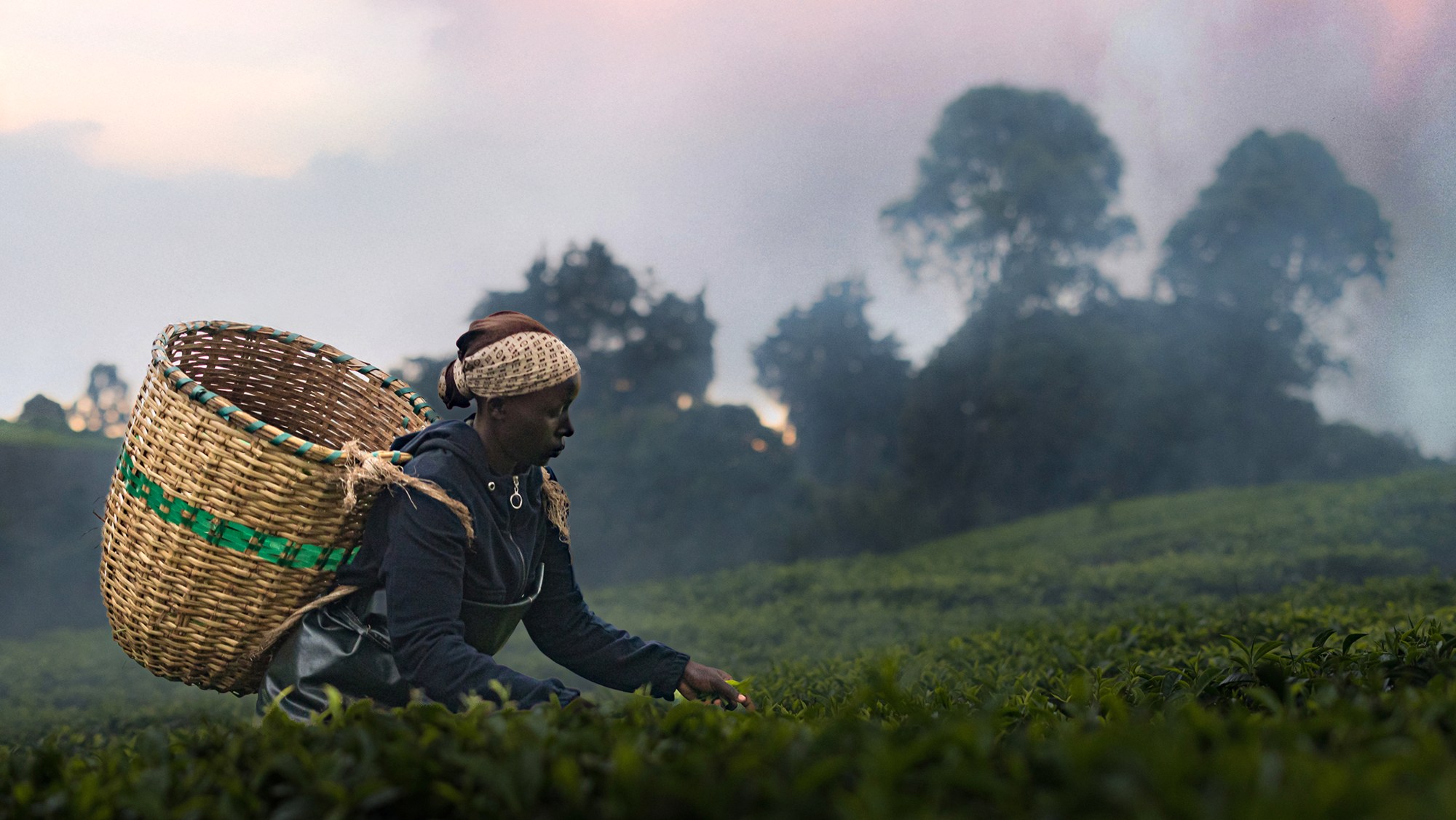
A new documentary titled Kikuyu Land, directed by journalist Bea Wangondu and U.S. co-director Andrew H. Brown, sheds light on the complex issues surrounding land restitution in Kenya. Set to premiere in the Sundance Film Festival’s World Cinema Documentary Competition on January 25, 2024, the film combines personal narrative with broader themes of colonialism and corporate power.
Wangondu, based in Nairobi, investigates a land restitution battle involving the local government and a multinational corporation. As she delves deeper, she uncovers family secrets and the historical implications of land ownership, particularly concerning her grandfather. This journey reveals the lingering effects of British colonialism and the challenges posed by neocolonialism in contemporary Kenya.
The documentary highlights the plight of the Kikuyu people, the largest ethnic group in Kenya, who are fighting to reclaim their ancestral land. Wangondu describes her mission as not only a quest for justice for her community but also a deeply personal exploration of her own identity and family history.
Challenges of Cultural Taboos and Family Dynamics
Wangondu faced significant obstacles while gathering information from her family. In Kikuyu culture, discussing internal family matters is often considered taboo, stemming from historical events like the Mau Mau rebellion from 1952 to 1960. This silence is rooted in a desire to protect family secrets related to the struggle against colonial rule.
Reflecting on her experience, Wangondu noted, “We had a span of almost eight or nine months where I couldn’t call anybody at home. I was literally enemy number one.” She ultimately managed to engage her family in discussions about their history, leading to important revelations. According to Brown, this family conversation became a significant moment in both Wangondu’s life and the documentary. “The best part of it was that afterwards, everybody felt much lighter,” he remarked.
Corporate Power and Political Context
Throughout Kikuyu Land, the film addresses the influence of corporations like Unilever, which has faced scrutiny for its treatment of workers on Kenyan tea plantations. Wangondu highlights troubling incidents, including reports of abuse by male supervisors and the struggles faced by female employees.
The documentary also contextualizes the current political situation in Kenya under President William Ruto, who has faced criticism for his increasingly authoritarian governance. Wangondu draws parallels between Ruto and former U.S. President Donald Trump, suggesting that both leaders share similar tactics in their pursuit of power.
Brown emphasizes the film’s global relevance, stating, “We want audiences to understand the effects of colonialism and corporate power and how they are still shaping people’s lives right now.” The filmmakers aim to provoke thought about the systemic issues of power inequity, inviting audiences worldwide to reflect on their roles within these structures.
Despite the challenges faced during the production of Kikuyu Land, Wangondu considers the experience a form of relief. “I took a journey, and this is where it’s brought me,” she said. “I don’t have everything and all the answers, but that’s okay. I did something for my own identity.”
As the film prepares for its premiere, Wangondu and Brown plan to screen Kikuyu Land across Kenya, aiming to engage local communities in conversations about land restitution and identity. The documentary serves not only as a personal narrative but also as a reflection on broader themes of colonialism, power, and the ongoing struggles faced by the Kikuyu people.

Urgent Tax Savings Alert: Maximize Deductions Before April 15

Trump’s Administration Faces Uncertainty Over Government Shutdowns

Cosmic Defects: The Mystery of the Universe’s Missing Anomalies

Rapid City Parks Department Opens Registration for Bocce Leagues

Samsung Galaxy Watch 9 to Feature Larger 435mAh Battery Soon

Two Dead After Student Boats Capsize Off Okinawa Coast

Healthy Choice Wellness Reports Earnings with Mixed Results

Prince Harry Positions Himself as Royal Family’s Image Reviver

All Points North Lodge Achieves FSPHP-ETA Accreditation

Send Holiday Parcels for £1.99 with New Comparison Service

University of Hawaiʻi Leads $25M AI Project to Monitor Natural Disasters

Maui County Reopens Upgraded Lānaʻi Fifth Street Courts Today!

Daily Codeword Puzzle Launches on October 21, 2025

Congresswoman Under Fire for Misleading Epstein Donation Claims

Interstellar Object 3I/ATLAS Emits Unique Metal Alloy, Says Scientist

Trump Vows to Resolve Afghanistan-Pakistan Crisis “Very Quickly”

Charles Darwin’s Address Book Reveals Hidden Aspects of His Life

Rediscovering Chrysler: 5 Overlooked Models from the 1980s
-
 Lifestyle8 months ago
Send Holiday Parcels for £1.99 with New Comparison Service
-
Science9 months ago
University of Hawaiʻi Leads $25M AI Project to Monitor Natural Disasters
-
 Top Stories8 months ago
Maui County Reopens Upgraded Lānaʻi Fifth Street Courts Today!
-
 Entertainment10 months ago
Daily Codeword Puzzle Launches on October 21, 2025
-
 Lifestyle9 months ago
Congresswoman Under Fire for Misleading Epstein Donation Claims
-
 Science10 months ago
Interstellar Object 3I/ATLAS Emits Unique Metal Alloy, Says Scientist
-
 Top Stories9 months ago
Trump Vows to Resolve Afghanistan-Pakistan Crisis “Very Quickly”
-
 Science8 months ago
Charles Darwin’s Address Book Reveals Hidden Aspects of His Life
-
 Lifestyle8 months ago
Rediscovering Chrysler: 5 Overlooked Models from the 1980s
-

 Science7 months ago
Understanding Generation Z: Strategies for Engaging the Workforce
-

 Entertainment10 months ago
Kelly McCreary Discusses Future of Maggie and Winston in Grey’s Anatomy
-

 Entertainment7 months ago
Landmark Shift as Iconic Anime Series Concludes After 26 Years