
Entertainment
Grand Tower Power Plant Set for Redevelopment as Data Center

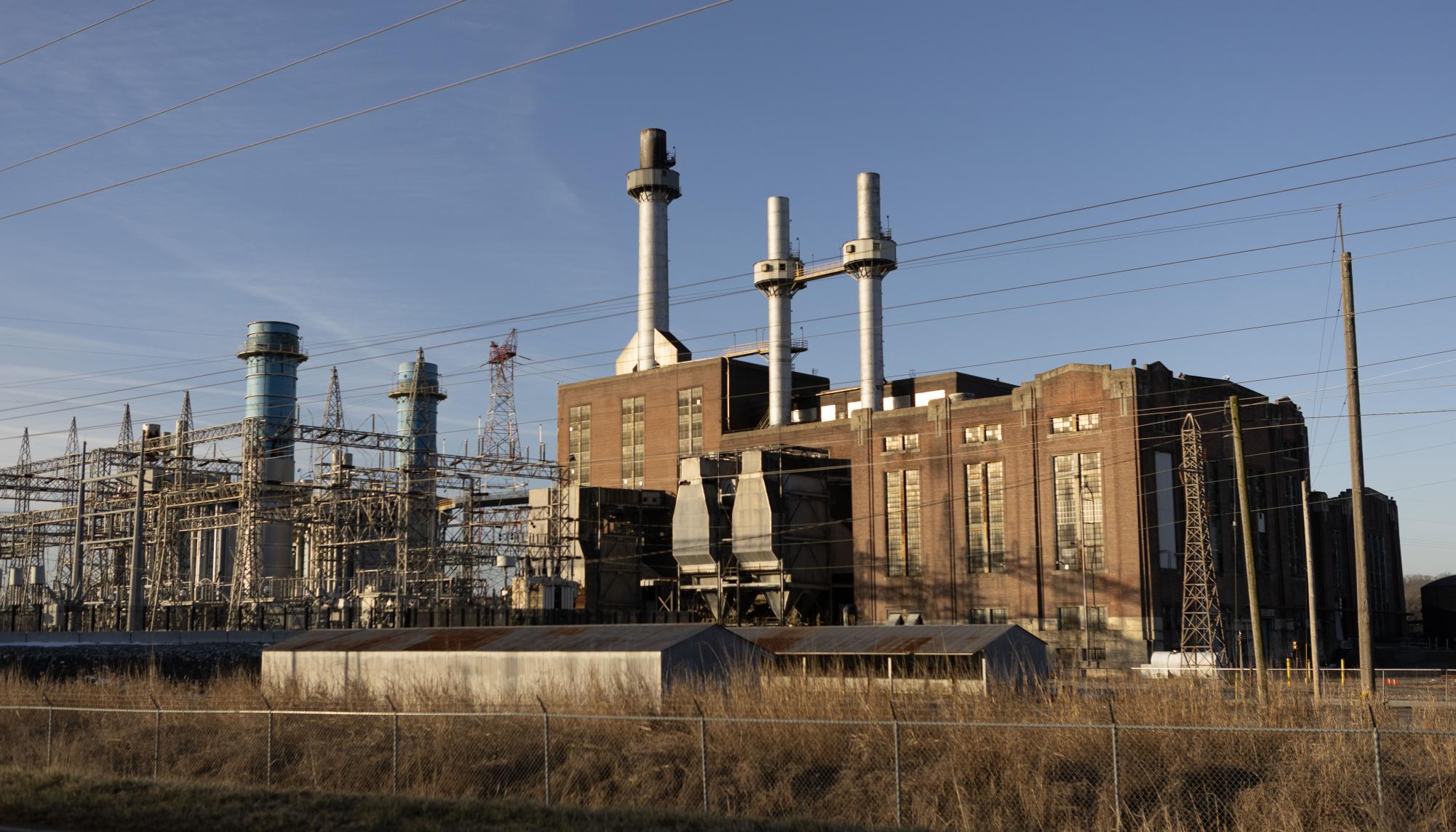
The future of the Grand Tower Energy Center, a power plant in southern Illinois that ceased operations in February 2021, is shifting towards redevelopment, with expectations that it will be transformed into a data center. This facility, located on land situated 10 feet below the Mississippi River floodplain, presents unique challenges due to its susceptibility to flood damage.
On February 2, 2025, the Jackson/Union County Port Authority Board convened to discuss redevelopment options for the Grand Tower site with representatives from Perdomo Worldwide, the company that acquired the property from Rockland Capital in 2021. Although no formal decisions were made during the meeting, discussions indicated a strong inclination towards establishing a data center at the site.
Originally a coal-fired power plant, the Grand Tower facility transitioned to natural gas before its closure. The current owner, Perdomo Worldwide, is actively demolishing existing structures and preparing the site for future development, which is expected to take one to two years. A company spokesperson noted, “What was once a liability for prior ownership is now a strategic asset on its way to powering data centers, manufacturing, and logistics — all with barge access to the Mississippi River.”
Potential Impact on the Local Economy
The Port Authority’s discussions included the potential economic benefits a data center could bring to the region. Board members highlighted the possibility of job creation, particularly for local unions during the construction phase, though they acknowledged that data centers typically employ fewer workers once operational, focusing mainly on specialized engineering roles.
Data centers have gained prominence in recent years, particularly following the surge in artificial intelligence technology requiring immense processing power. These facilities function as offsite supercomputers, storing and processing vast amounts of information. However, they also have significant water requirements for cooling purposes. A medium-sized data center can consume as much as 100 million gallons of water annually, while larger facilities may use between 1 million and 5 million gallons daily.
Board Chairman Kent Pitts raised concerns regarding the environmental implications of such water usage. While Bob Henderson, Perdomo’s president of industrial development, expressed confidence that water could be sourced from the Mississippi River, board members expressed skepticism about the feasibility of this plan. They noted that water quality would need to be carefully managed, as it plays a crucial role in the cooling systems of data centers.
Environmental Considerations and Flood Risks
The Grand Tower site lies within a designated special flood hazard area, as defined by the Federal Emergency Management Agency (FEMA). Jonathan Remo, a professor at Southern Illinois University and an expert on flood risk, indicated that developers might need to explore various strategies to mitigate flood risk. Options could include raising the ground level, reconfiguring the levee system, or constructing the data center on higher ground.
Remo emphasized the importance of thorough engineering studies to ensure that any modifications do not exacerbate flood risks elsewhere. He stated, “Nonetheless, if they fill in the floodplain or increase a levee, they’re going to have to do an engineering study to make sure that they don’t raise the flood levels anywhere else.”
Perdomo Worldwide estimates it will cost more than $20 million to demolish existing structures and prepare the site for redevelopment. The company is actively seeking grant funding from the Port Authority to assist with these costs. This includes addressing environmental concerns related to fly ash, a byproduct of coal combustion that has raised health and contamination issues in the area.
Chairman Pitts acknowledged potential opposition to the development of a data center but remained optimistic about its benefits. He noted that the tax revenue generated could significantly benefit local schools and the community. The projected changes have raised questions about property taxes, as early estimates suggest property owners could face tax increases of 60% to 100% in 2025 and 2026 due to adjustments in the taxing districts.
As the Grand Tower Energy Center transitions from a power plant to potentially a data center, stakeholders are hopeful that the redevelopment will provide economic revitalization while addressing environmental concerns. The final decision and future plans will hinge on ongoing discussions and studies assessing both the site’s readiness and its environmental impact.

Urgent Tax Savings Alert: Maximize Deductions Before April 15

Trump’s Administration Faces Uncertainty Over Government Shutdowns

Cosmic Defects: The Mystery of the Universe’s Missing Anomalies

Rapid City Parks Department Opens Registration for Bocce Leagues

Samsung Galaxy Watch 9 to Feature Larger 435mAh Battery Soon

Two Dead After Student Boats Capsize Off Okinawa Coast

Healthy Choice Wellness Reports Earnings with Mixed Results

Prince Harry Positions Himself as Royal Family’s Image Reviver

All Points North Lodge Achieves FSPHP-ETA Accreditation

Send Holiday Parcels for £1.99 with New Comparison Service

University of Hawaiʻi Leads $25M AI Project to Monitor Natural Disasters

Maui County Reopens Upgraded Lānaʻi Fifth Street Courts Today!

Daily Codeword Puzzle Launches on October 21, 2025

Congresswoman Under Fire for Misleading Epstein Donation Claims

Interstellar Object 3I/ATLAS Emits Unique Metal Alloy, Says Scientist

Trump Vows to Resolve Afghanistan-Pakistan Crisis “Very Quickly”

Charles Darwin’s Address Book Reveals Hidden Aspects of His Life

Rediscovering Chrysler: 5 Overlooked Models from the 1980s
-
 Lifestyle8 months ago
Send Holiday Parcels for £1.99 with New Comparison Service
-
Science9 months ago
University of Hawaiʻi Leads $25M AI Project to Monitor Natural Disasters
-
 Top Stories8 months ago
Maui County Reopens Upgraded Lānaʻi Fifth Street Courts Today!
-
 Entertainment10 months ago
Daily Codeword Puzzle Launches on October 21, 2025
-
 Lifestyle9 months ago
Congresswoman Under Fire for Misleading Epstein Donation Claims
-
 Science10 months ago
Interstellar Object 3I/ATLAS Emits Unique Metal Alloy, Says Scientist
-
 Top Stories9 months ago
Trump Vows to Resolve Afghanistan-Pakistan Crisis “Very Quickly”
-
 Science8 months ago
Charles Darwin’s Address Book Reveals Hidden Aspects of His Life
-
 Lifestyle8 months ago
Rediscovering Chrysler: 5 Overlooked Models from the 1980s
-

 Science7 months ago
Understanding Generation Z: Strategies for Engaging the Workforce
-

 Entertainment10 months ago
Kelly McCreary Discusses Future of Maggie and Winston in Grey’s Anatomy
-

 Entertainment7 months ago
Landmark Shift as Iconic Anime Series Concludes After 26 Years