
Business
Americans Overindulge in Protein, Neglect Vital Fiber Intake

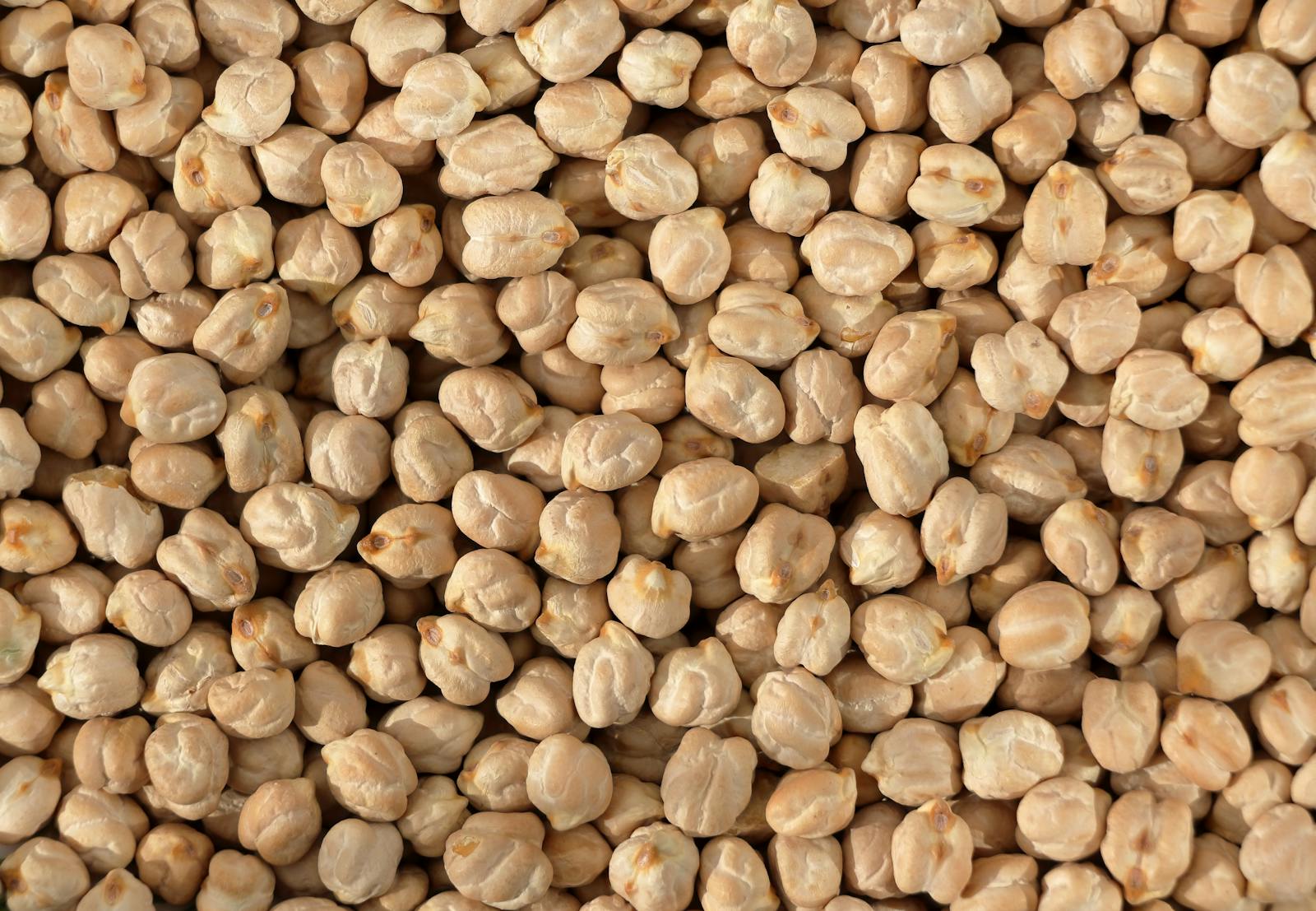
The growing fixation on protein among Americans is raising concerns among health professionals. While many individuals consume nearly double the recommended protein intake, they are simultaneously neglecting fiber, a macronutrient essential for overall health and longevity. This dietary imbalance, driven by the fitness culture and supplement marketing, is overshadowing the crucial role fiber plays in reducing the risk of chronic diseases.
According to data from the U.S. Department of Agriculture, the average American consumes approximately 100 grams of protein daily, nearly double the Recommended Dietary Allowance for sedentary adults. In stark contrast, fiber intake averages around 15 grams per day, only half of the recommended 25 to 30 grams. This gap has significant implications, as fiber is consistently linked to improved health outcomes, including reduced risks of heart disease, cancer, and diabetes.
Many individuals, like Danielle, a 34-year-old marketing director from Austin, exemplify this trend. She began her day with a protein shake, turkey sausage, and a hard-boiled egg, hitting a target of 140 grams of protein based on advice from a fitness influencer. Despite her high protein intake, Danielle faced health issues, including irregular bowel movements and elevated fasting glucose levels. When her doctor inquired about her diet, the unexpected question was, “Where’s the fiber?”
This scenario is becoming increasingly common. Americans are inundated with messages promoting high-protein diets, with protein bars and “protein bowls” becoming ubiquitous in fast-food outlets. Celebrities endorse high-protein products, while fiber-rich foods are often overlooked. The perception that protein is superior has led many to dismiss the importance of fiber, which resides mainly in carbohydrate-rich foods that are often avoided in contemporary diets.
The disconnect between protein and fiber consumption can have dire consequences. Marcus, a 47-year-old software engineer from Portland, discovered this after his father was diagnosed with colon cancer. He learned that increasing fiber intake could reduce his colorectal cancer risk by 30 percent, based on a meta-analysis published in the British Medical Journal. This revelation highlights a critical gap in nutritional education, as fiber remains underemphasized in discussions about healthy eating.
The cultural narrative surrounding protein stems from fitness trends rather than nutritional science. It has been elevated to a status symbol, while carbohydrates, often associated with fiber, are vilified. This misunderstanding has marginalized fiber, which is vital for gut health and overall well-being.
A significant study by the Lancet in 2019 examined 185 prospective studies and 58 clinical trials, concluding that higher fiber intake was associated with a 15 to 30 percent reduction in all-cause mortality, heart disease, stroke incidence, and type 2 diabetes. The evidence supporting fiber’s health benefits is robust, yet its presence in the dietary conversation remains minimal.
Fiber contributes to health in ways protein cannot. It nourishes the gut microbiome, regulates immune function, and helps control blood sugar levels. Fiber also promotes digestive health by adding bulk to stool and accelerating the transit of waste through the colon. These functions are critical for maintaining long-term health, yet they are overshadowed by the focus on protein.
Nutrition experts are beginning to shift their focus. Kevin, a 29-year-old personal trainer in Chicago, now prioritizes fiber in his clients’ meal plans. He has observed improvements in digestion and energy stability, along with enhanced body composition. “When your gut is functioning properly, everything downstream works better,” he noted, emphasizing the importance of a balanced diet.
Despite the overwhelming evidence, promoting fiber remains a challenge. The multi-billion-dollar protein industry dominates the market, overshadowing fiber-rich foods that are inexpensive and lack flashy branding. While protein can be marketed and sold in attractive packaging, fiber’s benefits are often relegated to the background.
As Renee, a retired nurse from Savannah, poignantly articulated, “People are so afraid of being weak. They’re so afraid of not having enough muscle.” Yet, she warns that fiber is essential for preventing internal health issues that often go unnoticed until it’s too late. The nutritional landscape is distorted, with an emphasis on protein overshadowing the importance of fiber.
The conversation surrounding dietary health needs to shift. While protein has its place, it should not eclipse the necessity of fiber. As awareness grows, individuals may begin to recognize that the macronutrient vital for longevity and health is not always the one that garners attention on social media. A balanced approach to nutrition—prioritizing fiber alongside protein—could be the key to improving overall health outcomes for many Americans.

Urgent Tax Savings Alert: Maximize Deductions Before April 15

Trump’s Administration Faces Uncertainty Over Government Shutdowns

Cosmic Defects: The Mystery of the Universe’s Missing Anomalies

Rapid City Parks Department Opens Registration for Bocce Leagues

Samsung Galaxy Watch 9 to Feature Larger 435mAh Battery Soon

Two Dead After Student Boats Capsize Off Okinawa Coast

Healthy Choice Wellness Reports Earnings with Mixed Results

Prince Harry Positions Himself as Royal Family’s Image Reviver

All Points North Lodge Achieves FSPHP-ETA Accreditation

Send Holiday Parcels for £1.99 with New Comparison Service

University of Hawaiʻi Leads $25M AI Project to Monitor Natural Disasters

Maui County Reopens Upgraded Lānaʻi Fifth Street Courts Today!

Daily Codeword Puzzle Launches on October 21, 2025

Congresswoman Under Fire for Misleading Epstein Donation Claims

Interstellar Object 3I/ATLAS Emits Unique Metal Alloy, Says Scientist

Trump Vows to Resolve Afghanistan-Pakistan Crisis “Very Quickly”

Charles Darwin’s Address Book Reveals Hidden Aspects of His Life

Rediscovering Chrysler: 5 Overlooked Models from the 1980s
-
 Lifestyle8 months ago
Send Holiday Parcels for £1.99 with New Comparison Service
-
Science9 months ago
University of Hawaiʻi Leads $25M AI Project to Monitor Natural Disasters
-
 Top Stories8 months ago
Maui County Reopens Upgraded Lānaʻi Fifth Street Courts Today!
-
 Entertainment10 months ago
Daily Codeword Puzzle Launches on October 21, 2025
-
 Lifestyle9 months ago
Congresswoman Under Fire for Misleading Epstein Donation Claims
-
 Science10 months ago
Interstellar Object 3I/ATLAS Emits Unique Metal Alloy, Says Scientist
-
 Top Stories9 months ago
Trump Vows to Resolve Afghanistan-Pakistan Crisis “Very Quickly”
-
 Science9 months ago
Charles Darwin’s Address Book Reveals Hidden Aspects of His Life
-
 Lifestyle8 months ago
Rediscovering Chrysler: 5 Overlooked Models from the 1980s
-

 Science7 months ago
Understanding Generation Z: Strategies for Engaging the Workforce
-

 Entertainment10 months ago
Kelly McCreary Discusses Future of Maggie and Winston in Grey’s Anatomy
-

 Top Stories8 months ago
aespa Faces Backlash Over G-Dragon Interaction at 2025 MAMAs