
Health
Scientists Uncover Link Between Anti-Aging Compound and Cancer Growth

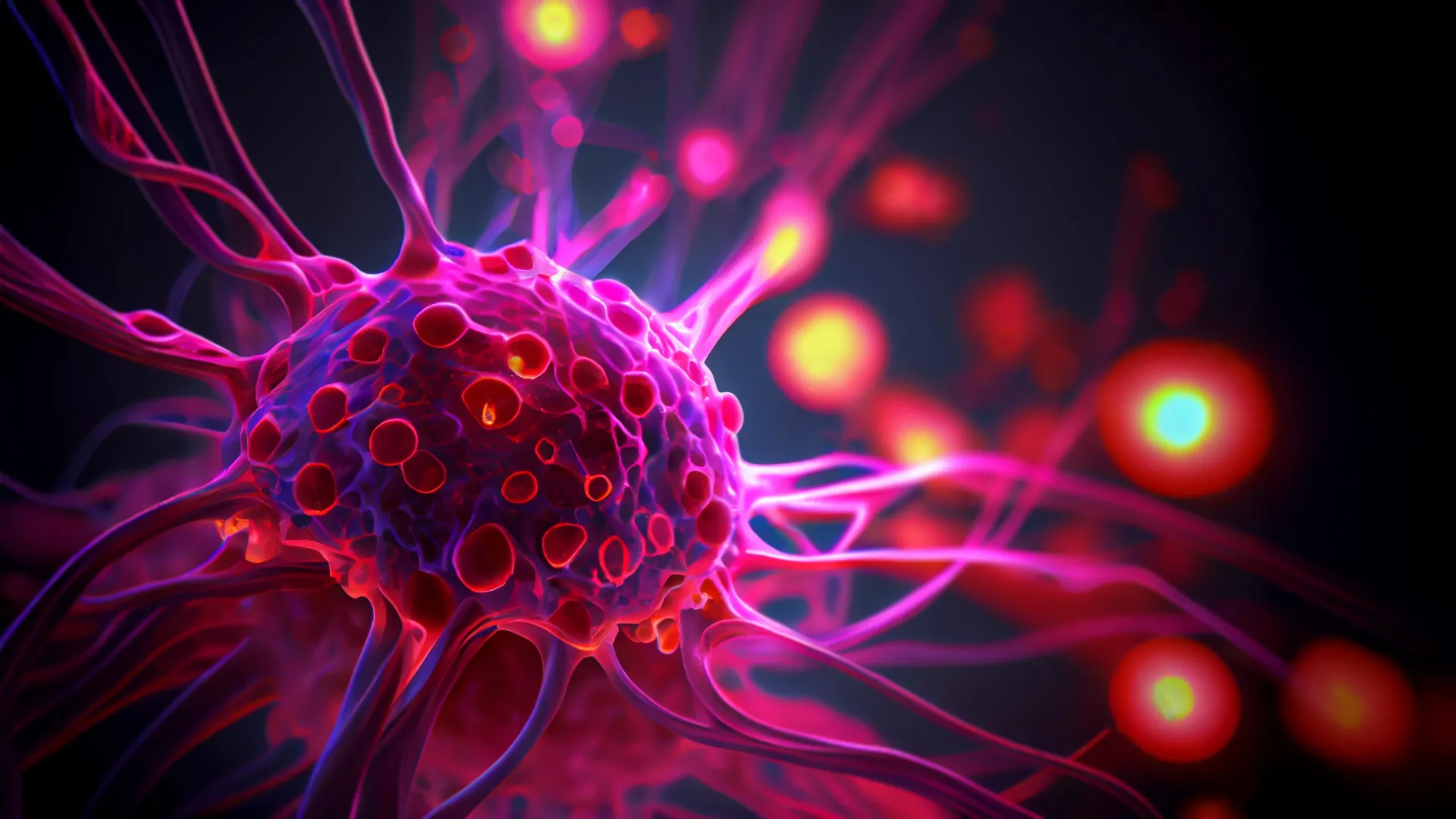
Research from the Tokyo University of Science reveals that polyamines, compounds often celebrated for their potential anti-aging properties, may also contribute to cancer growth. This paradox raises significant questions about the role of these molecules in cellular processes, particularly in the context of aging and tumor development.
Polyamines, including spermidine, are naturally occurring substances found in all living cells. They are known to support cellular functions such as growth and specialization. Recently, they have attracted attention for their ability to stimulate autophagy, a process that helps maintain cellular health by recycling damaged components. Central to this process is a protein known as eukaryotic translation initiation factor 5A (eIF5A1). Despite these benefits, elevated levels of polyamines have been consistently observed in various cancers, complicating the narrative surrounding their role in health and disease.
Understanding the Dual Role of Polyamines
The dual nature of polyamines presents a scientific puzzle. While they seem to promote longevity by enhancing cellular maintenance, they are also linked to aggressive tumor growth. This contradiction has prompted researchers to explore the underlying mechanisms connecting polyamines to cancer metabolism.
In a recent study led by Associate Professor Kyohei Higashi, detailed in the Journal of Biological Chemistry, scientists utilized advanced molecular and proteomic techniques to examine how polyamines influence cancer cell behavior. The study aimed to clarify the pathways through which polyamines foster cancer growth, distinguishing them from their beneficial effects on healthy aging.
The research team conducted experiments with human cancer cell lines to observe the effects of polyamines on protein production and metabolism. By manipulating polyamine levels, they were able to assess their impact on cancer cells directly. Using high-resolution proteomic analyses, the researchers examined changes in over 6,700 proteins. Their findings indicated that polyamines primarily enhance glycolysis, the rapid conversion of glucose into energy, rather than supporting mitochondrial respiration, which is more associated with healthy aging.
eIF5A Proteins in Health and Disease
A key finding of this study was the differential role of eIF5A proteins in normal versus cancerous tissues. The research demonstrated that while eIF5A1, activated by polyamines, promotes mitochondrial function and cellular maintenance in healthy tissues, eIF5A2, whose production is also stimulated by polyamines, drives cancer cell proliferation.
Dr. Higashi noted, “The biological activity of polyamines via eIF5A differs between normal and cancer tissues. In normal tissues, eIF5A1 activates mitochondria via autophagy, whereas in cancer tissues, eIF5A2 controls gene expression at the translational level to facilitate the proliferation of cancer cells.” This distinction highlights the complex role that polyamines play depending on the biological context.
Further investigations revealed that polyamines increase levels of eIF5A2 by inhibiting a regulatory RNA molecule known as miR-6514-5p. This disruption allows for greater production of eIF5A2, which, in turn, controls a unique set of proteins distinct from those regulated by eIF5A1. This finding emphasizes the need for a nuanced understanding of polyamines in medical research.
The implications of these discoveries are significant for both cancer therapy and the safety of polyamine supplements. The study suggests that while polyamines may offer anti-aging benefits in healthy tissues through eIF5A1, they can simultaneously promote tumor growth in cancerous or pre-cancerous tissues via eIF5A2.
Dr. Higashi emphasized the potential for targeting eIF5A2 in cancer treatment. “Our findings reveal an important role for eIF5A2, suggesting that the interaction between eIF5A2 and ribosomes, which regulates cancer progression, is a selective target for cancer treatment.” This approach could allow for the slowing of cancer growth without compromising the beneficial effects associated with eIF5A1.
In conclusion, this research represents a significant advancement in understanding the dual roles of polyamines. As scientists continue to unravel these complex interactions, future strategies may emerge that exploit the positive effects of polyamines on healthy aging while mitigating their potential to facilitate cancer progression. The study was supported by grants from the Japan Society for the Promotion of Science, the Hamaguchi Foundation for the Advancement of Biochemistry, and the Cancer Research Institute, Kanazawa University.

Urgent Tax Savings Alert: Maximize Deductions Before April 15

Trump’s Administration Faces Uncertainty Over Government Shutdowns

Cosmic Defects: The Mystery of the Universe’s Missing Anomalies

Rapid City Parks Department Opens Registration for Bocce Leagues

Samsung Galaxy Watch 9 to Feature Larger 435mAh Battery Soon

Two Dead After Student Boats Capsize Off Okinawa Coast

Healthy Choice Wellness Reports Earnings with Mixed Results

Prince Harry Positions Himself as Royal Family’s Image Reviver

All Points North Lodge Achieves FSPHP-ETA Accreditation

Send Holiday Parcels for £1.99 with New Comparison Service

University of Hawaiʻi Leads $25M AI Project to Monitor Natural Disasters

Maui County Reopens Upgraded Lānaʻi Fifth Street Courts Today!

Daily Codeword Puzzle Launches on October 21, 2025

Congresswoman Under Fire for Misleading Epstein Donation Claims

Interstellar Object 3I/ATLAS Emits Unique Metal Alloy, Says Scientist

Trump Vows to Resolve Afghanistan-Pakistan Crisis “Very Quickly”

Charles Darwin’s Address Book Reveals Hidden Aspects of His Life

Rediscovering Chrysler: 5 Overlooked Models from the 1980s
-
 Lifestyle8 months ago
Send Holiday Parcels for £1.99 with New Comparison Service
-
Science9 months ago
University of Hawaiʻi Leads $25M AI Project to Monitor Natural Disasters
-
 Top Stories8 months ago
Maui County Reopens Upgraded Lānaʻi Fifth Street Courts Today!
-
 Entertainment10 months ago
Daily Codeword Puzzle Launches on October 21, 2025
-
 Lifestyle9 months ago
Congresswoman Under Fire for Misleading Epstein Donation Claims
-
 Science10 months ago
Interstellar Object 3I/ATLAS Emits Unique Metal Alloy, Says Scientist
-
 Top Stories9 months ago
Trump Vows to Resolve Afghanistan-Pakistan Crisis “Very Quickly”
-
 Science8 months ago
Charles Darwin’s Address Book Reveals Hidden Aspects of His Life
-
 Lifestyle8 months ago
Rediscovering Chrysler: 5 Overlooked Models from the 1980s
-

 Science7 months ago
Understanding Generation Z: Strategies for Engaging the Workforce
-

 Entertainment10 months ago
Kelly McCreary Discusses Future of Maggie and Winston in Grey’s Anatomy
-

 Top Stories8 months ago
aespa Faces Backlash Over G-Dragon Interaction at 2025 MAMAs