
Politics
Iran’s Transformation: Khamenei’s Death Sparks New Era

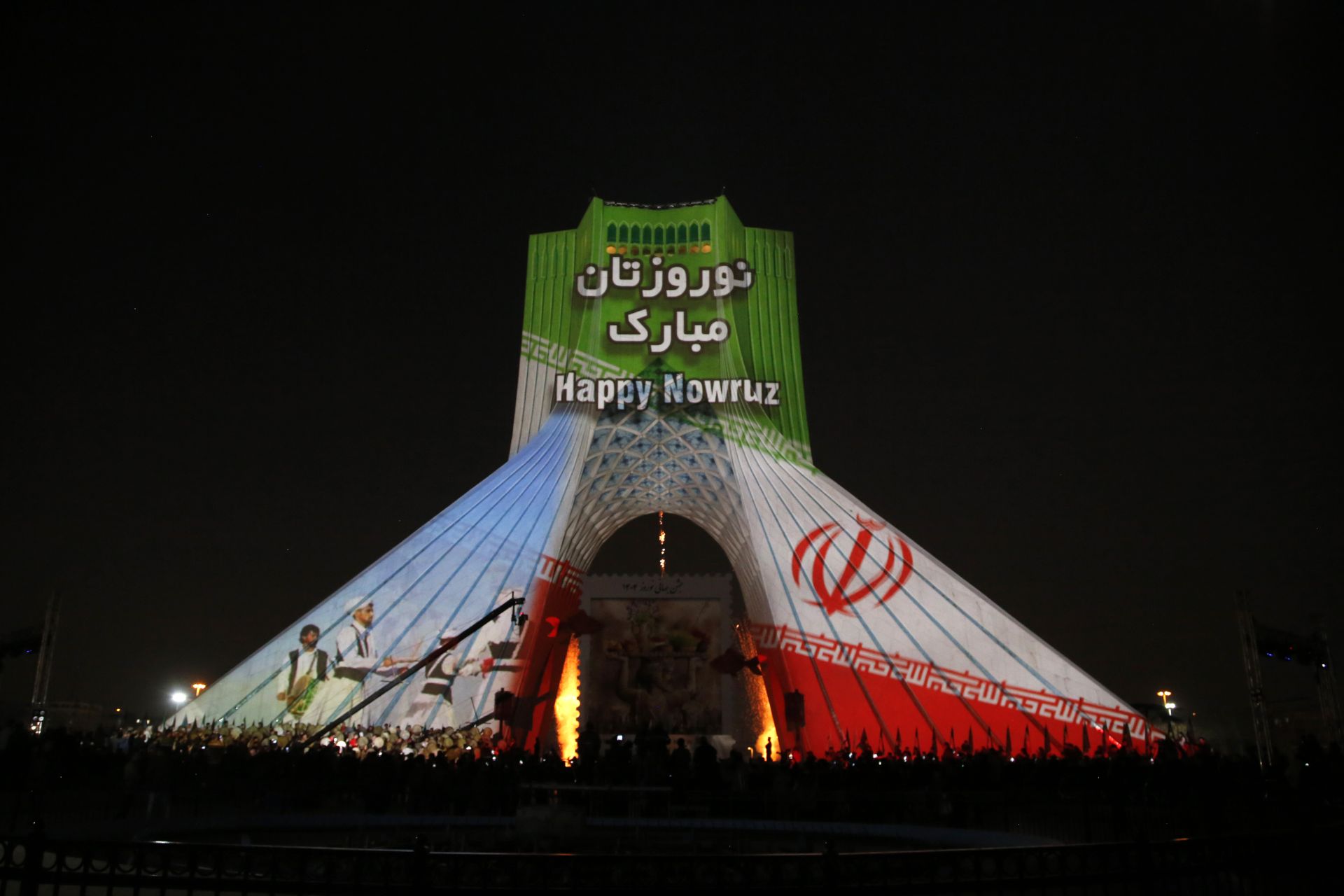
On February 28, 2024, the political landscape of Iran shifted dramatically following the death of Ayatollah Ali Khamenei, the country’s Supreme Leader. His death, resulting from an airstrike, marked the end of a 36-year rule characterized by strict theocratic governance. This pivotal moment has ignited widespread reactions among both Iranian citizens and the diaspora, who have long endured the burdens imposed by his regime.
The news of Khamenei’s death has prompted celebrations among Iranian expatriates in cities like Los Angeles and London. These communities expressed relief and joy in response to the end of a leadership that many feel has caused generations of suffering. The Islamic Republic has long been viewed as a repressive regime, and Khamenei’s departure has raised hopes for a potential shift in the country’s trajectory.
As a journalist with personal ties to Iran, I have witnessed the complex narrative surrounding the nation. For years, Khamenei was a recurring figure in my dreams, symbolizing the oppressive political culture that has stifled voices of dissent. His absence leaves a vacuum not just in leadership but also in the narrative that has long defined Iran’s image abroad.
Following Khamenei’s death, the regime’s security apparatus, which has been notorious for its aggressive tactics, faces an uncertain future. Many former insiders and victims of the regime’s brutality have long anticipated this change, expressing a mix of hope and skepticism about what comes next. The oppressive measures, including the rounding up of student activists and women, have left deep scars on the Iranian psyche, making this moment a complicated one for those who have suffered under his rule.
The political discourse surrounding Iran has been heavily influenced by external forces, particularly from the United States and Israel. Following Khamenei’s death, these nations have intensified military actions, further complicating the situation. Reports indicate that Israeli airstrikes have escalated, leading to significant civilian casualties, including over 150 fatalities in an attack on an elementary school.
As the narrative unfolds, the Iranian diaspora has displayed a troubling tendency to police their own community’s voices. Individuals who challenge the prevailing sentiments face backlash, reflecting a culture of surveillance that persists even far from the homeland. For instance, prominent journalist Christiane Amanpour faced severe criticism for simply asking tough questions during public discussions about Iran’s future.
Amid these turbulent developments, it is crucial to recognize Iran as more than just a political entity shaped by its leaders. The rich tapestry of Iranian culture, history, and resilience is often overlooked in the current discourse, which tends to focus on conflict and repression. The legacy of figures like Xerxes I, a symbol of ancient Persian prowess and communication, is a reminder of the civilization’s storied past.
The challenge now lies in the hands of Iranians and the international community. As the fallout from Khamenei’s death continues to unfold, there is an opportunity to redefine what it means to be Iran. The voices of those who have long been silenced must be amplified, and new narratives should emerge that highlight the country’s cultural wealth and aspirations for a more democratic future.
In conclusion, the death of Ayatollah Ali Khamenei represents a significant turning point for Iran. It prompts a reevaluation of both internal and external perceptions of the nation. As Iranians navigate this uncertain landscape, the global community must engage with the complexities of Iranian identity, reflecting on the country’s potential to rise from the shadows of the past and forge a new path forward.

Urgent Tax Savings Alert: Maximize Deductions Before April 15

Trump’s Administration Faces Uncertainty Over Government Shutdowns

Cosmic Defects: The Mystery of the Universe’s Missing Anomalies

Rapid City Parks Department Opens Registration for Bocce Leagues

Samsung Galaxy Watch 9 to Feature Larger 435mAh Battery Soon

Two Dead After Student Boats Capsize Off Okinawa Coast

Healthy Choice Wellness Reports Earnings with Mixed Results

Prince Harry Positions Himself as Royal Family’s Image Reviver

All Points North Lodge Achieves FSPHP-ETA Accreditation

Send Holiday Parcels for £1.99 with New Comparison Service

University of Hawaiʻi Leads $25M AI Project to Monitor Natural Disasters

Maui County Reopens Upgraded Lānaʻi Fifth Street Courts Today!

Daily Codeword Puzzle Launches on October 21, 2025

Congresswoman Under Fire for Misleading Epstein Donation Claims

Interstellar Object 3I/ATLAS Emits Unique Metal Alloy, Says Scientist

Trump Vows to Resolve Afghanistan-Pakistan Crisis “Very Quickly”

Charles Darwin’s Address Book Reveals Hidden Aspects of His Life

Rediscovering Chrysler: 5 Overlooked Models from the 1980s
-
 Lifestyle8 months ago
Send Holiday Parcels for £1.99 with New Comparison Service
-
Science9 months ago
University of Hawaiʻi Leads $25M AI Project to Monitor Natural Disasters
-
 Top Stories8 months ago
Maui County Reopens Upgraded Lānaʻi Fifth Street Courts Today!
-
 Entertainment10 months ago
Daily Codeword Puzzle Launches on October 21, 2025
-
 Lifestyle9 months ago
Congresswoman Under Fire for Misleading Epstein Donation Claims
-
 Science10 months ago
Interstellar Object 3I/ATLAS Emits Unique Metal Alloy, Says Scientist
-
 Top Stories9 months ago
Trump Vows to Resolve Afghanistan-Pakistan Crisis “Very Quickly”
-
 Science9 months ago
Charles Darwin’s Address Book Reveals Hidden Aspects of His Life
-
 Lifestyle8 months ago
Rediscovering Chrysler: 5 Overlooked Models from the 1980s
-

 Science7 months ago
Understanding Generation Z: Strategies for Engaging the Workforce
-

 Entertainment10 months ago
Kelly McCreary Discusses Future of Maggie and Winston in Grey’s Anatomy
-

 Top Stories8 months ago
aespa Faces Backlash Over G-Dragon Interaction at 2025 MAMAs