
Lifestyle
U.S. Military Leaders Link Iran Conflict to Biblical Prophecy

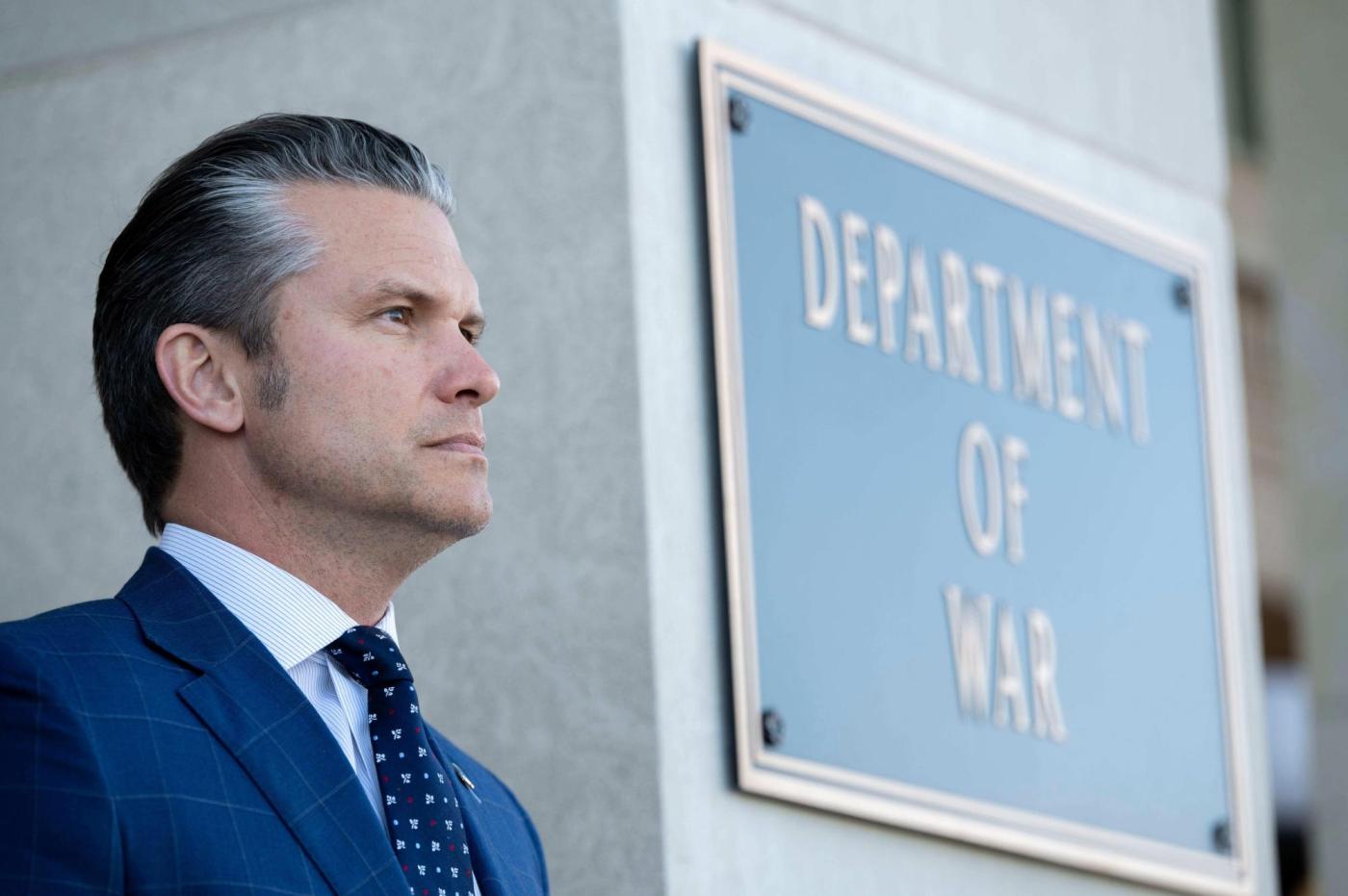
Recent comments from U.S. military leaders have stirred controversy by suggesting a religious justification for potential military actions in Iran. A military commander reportedly stated that Donald Trump has been “anointed by Jesus to light the signal fire in Iran to cause Armageddon.” This assertion has raised eyebrows, particularly among advocates for military religious freedom.
The Military Religious Freedom Foundation reported receiving over 200 calls from approximately 50 military installations, where similar rhetoric was purportedly shared among troops. The idea that conflict in Iran is part of a divine plan aimed at triggering the eventual return of Jesus has led to significant concern among various groups advocating for the separation of church and state within the military.
This perspective echoes sentiments from the past, particularly from the Vietnam War era. Observers note that the current military leadership appears to have drawn parallels between the two conflicts, suggesting that the rhetoric surrounding Iran resembles the justifications used during the prolonged engagement in Vietnam. Such comparisons raise important questions about the motivations and implications of military action framed within a religious context.
Critics argue that the conflation of military strategy with religious beliefs undermines both the effectiveness of military operations and the principles of governance. The historical context of Vietnam, which has deep cultural and historical roots, is often overlooked in discussions of military intervention. Vietnam has a history spanning over 3,000 years, while Iran boasts an even older cultural legacy.
The implications of this rhetoric extend beyond mere political discourse. Statements made by military leaders may reflect a broader trend of intertwining religious belief with national policy. Pete Hegseth, a prominent media personality, has been vocal in his endorsement of such views, often framing military actions as necessary for achieving peace, despite historical evidence to the contrary.
The aftermath of U.S. military actions in Vietnam led to the rise of the Khmer Rouge and subsequent atrocities, including the Cambodian genocide, which resulted in 1.5 million deaths. This historical parallel serves as a cautionary tale about the unforeseen consequences of military intervention and the complexities of foreign engagements.
In light of these developments, there is a growing call for military leaders to reassess their narratives and the potential impact of their words on both domestic and international audiences. Critics emphasize the need for a clear distinction between religious beliefs and national security strategies to avoid repeating the mistakes of the past.
As military leaders continue to invoke religious themes in discussions about conflict, the importance of maintaining a secular approach to governance and military engagement remains paramount. The intertwining of faith and military action could have profound implications not only for U.S. foreign policy but also for the perception of the United States on the global stage.
In what some view as a troubling trend, the rhetoric surrounding military strategy and religious justification raises critical questions about the nature of modern warfare and the responsibilities of those in power. The need for thoughtful dialogue and analysis has never been more urgent, as the stakes continue to rise in an increasingly complex global landscape.

Urgent Tax Savings Alert: Maximize Deductions Before April 15

Trump’s Administration Faces Uncertainty Over Government Shutdowns

Cosmic Defects: The Mystery of the Universe’s Missing Anomalies

Rapid City Parks Department Opens Registration for Bocce Leagues

Samsung Galaxy Watch 9 to Feature Larger 435mAh Battery Soon

Two Dead After Student Boats Capsize Off Okinawa Coast

Healthy Choice Wellness Reports Earnings with Mixed Results

Prince Harry Positions Himself as Royal Family’s Image Reviver

All Points North Lodge Achieves FSPHP-ETA Accreditation

Send Holiday Parcels for £1.99 with New Comparison Service

University of Hawaiʻi Leads $25M AI Project to Monitor Natural Disasters

Maui County Reopens Upgraded Lānaʻi Fifth Street Courts Today!

Daily Codeword Puzzle Launches on October 21, 2025

Congresswoman Under Fire for Misleading Epstein Donation Claims

Interstellar Object 3I/ATLAS Emits Unique Metal Alloy, Says Scientist

Trump Vows to Resolve Afghanistan-Pakistan Crisis “Very Quickly”

Charles Darwin’s Address Book Reveals Hidden Aspects of His Life

Rediscovering Chrysler: 5 Overlooked Models from the 1980s
-
 Lifestyle8 months ago
Send Holiday Parcels for £1.99 with New Comparison Service
-
Science9 months ago
University of Hawaiʻi Leads $25M AI Project to Monitor Natural Disasters
-
 Top Stories8 months ago
Maui County Reopens Upgraded Lānaʻi Fifth Street Courts Today!
-
 Entertainment10 months ago
Daily Codeword Puzzle Launches on October 21, 2025
-
 Lifestyle9 months ago
Congresswoman Under Fire for Misleading Epstein Donation Claims
-
 Science10 months ago
Interstellar Object 3I/ATLAS Emits Unique Metal Alloy, Says Scientist
-
 Top Stories9 months ago
Trump Vows to Resolve Afghanistan-Pakistan Crisis “Very Quickly”
-
 Science8 months ago
Charles Darwin’s Address Book Reveals Hidden Aspects of His Life
-
 Lifestyle8 months ago
Rediscovering Chrysler: 5 Overlooked Models from the 1980s
-

 Science7 months ago
Understanding Generation Z: Strategies for Engaging the Workforce
-

 Entertainment10 months ago
Kelly McCreary Discusses Future of Maggie and Winston in Grey’s Anatomy
-

 Top Stories8 months ago
aespa Faces Backlash Over G-Dragon Interaction at 2025 MAMAs