
Health
Novo Nordisk’s Semaglutide Fails in Alzheimer’s Trials

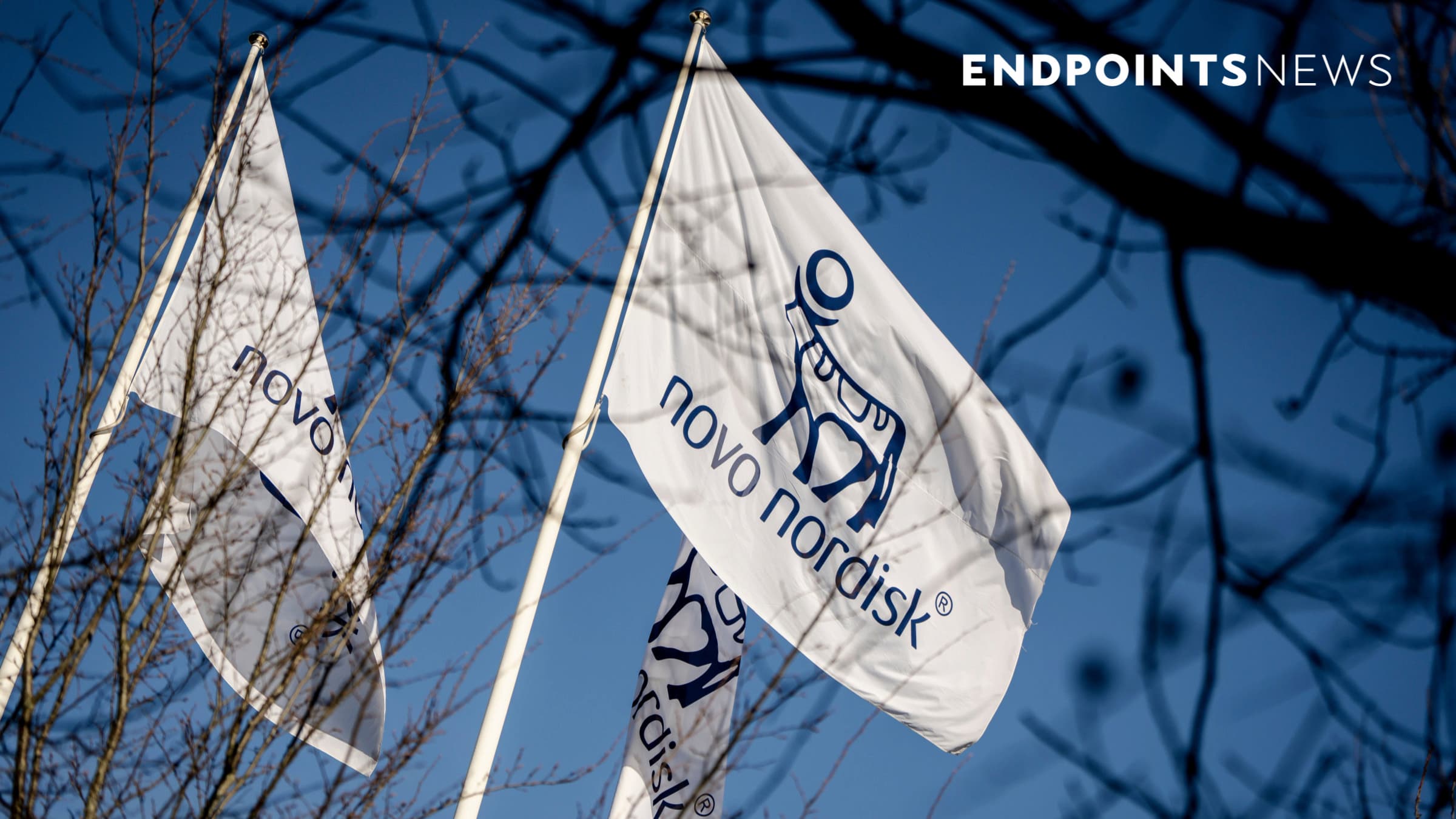
Novo Nordisk announced that its experimental treatment, semaglutide, has not met its primary endpoints in clinical trials aimed at addressing Alzheimer’s disease. The outcome of these trials, which were closely monitored by the medical community, highlights the challenges in developing effective therapies for neurodegenerative conditions.
Trial Results and Implications
The trials, which took place over several months, evaluated semaglutide’s efficacy as a potential treatment for Alzheimer’s. This drug, a GLP-1 receptor agonist typically used for managing type 2 diabetes, was selected based on its neuroprotective properties observed in earlier studies. However, the recent findings reveal that it failed to significantly improve cognitive function in patients compared to a placebo.
In the trials, which concluded in late February 2023, researchers assessed various cognitive and functional outcomes in participants diagnosed with early-stage Alzheimer’s. Despite initial optimism surrounding the drug, the results showed no meaningful differences in the primary measures of cognitive decline.
Market Reactions and Future Prospects
The news has had immediate repercussions for Novo Nordisk, as shares fell sharply following the announcement. Investors had high hopes that semaglutide could diversify the company’s portfolio and contribute to its revenue stream beyond diabetes treatments. This setback poses significant questions about the future of the drug in the Alzheimer’s market.
Analysts had previously highlighted the potential for GLP-1 receptor agonists to combat neurodegeneration, suggesting that the mechanism might also apply to Alzheimer’s. Nonetheless, the recent trial results indicate that this class of drugs may not translate effectively to neurodegenerative therapy.
Looking ahead, Novo Nordisk will need to reevaluate its strategy in the Alzheimer’s space. The company previously indicated that it would continue exploring the role of semaglutide in other indications, but this outcome raises doubts about its viability as a treatment for Alzheimer’s.
As the search for effective Alzheimer’s treatments continues, the scientific community remains focused on understanding the complex mechanisms behind the disease. The failure of semaglutide serves as a reminder of the difficulties faced in developing successful therapies for conditions that affect millions worldwide.
Despite this setback, the ongoing research in neurodegenerative diseases is crucial, as it may lead to breakthroughs in understanding and treating Alzheimer’s and similar disorders. For now, Novo Nordisk will focus on its core business while navigating the implications of these trial results.

Urgent Tax Savings Alert: Maximize Deductions Before April 15

Trump’s Administration Faces Uncertainty Over Government Shutdowns

Cosmic Defects: The Mystery of the Universe’s Missing Anomalies

Rapid City Parks Department Opens Registration for Bocce Leagues

Samsung Galaxy Watch 9 to Feature Larger 435mAh Battery Soon

Two Dead After Student Boats Capsize Off Okinawa Coast

Healthy Choice Wellness Reports Earnings with Mixed Results

Prince Harry Positions Himself as Royal Family’s Image Reviver

All Points North Lodge Achieves FSPHP-ETA Accreditation

Send Holiday Parcels for £1.99 with New Comparison Service

University of Hawaiʻi Leads $25M AI Project to Monitor Natural Disasters

Maui County Reopens Upgraded Lānaʻi Fifth Street Courts Today!

Daily Codeword Puzzle Launches on October 21, 2025

Congresswoman Under Fire for Misleading Epstein Donation Claims

Interstellar Object 3I/ATLAS Emits Unique Metal Alloy, Says Scientist

Trump Vows to Resolve Afghanistan-Pakistan Crisis “Very Quickly”

Charles Darwin’s Address Book Reveals Hidden Aspects of His Life

Rediscovering Chrysler: 5 Overlooked Models from the 1980s
-
 Lifestyle8 months ago
Send Holiday Parcels for £1.99 with New Comparison Service
-
Science9 months ago
University of Hawaiʻi Leads $25M AI Project to Monitor Natural Disasters
-
 Top Stories8 months ago
Maui County Reopens Upgraded Lānaʻi Fifth Street Courts Today!
-
 Entertainment10 months ago
Daily Codeword Puzzle Launches on October 21, 2025
-
 Lifestyle9 months ago
Congresswoman Under Fire for Misleading Epstein Donation Claims
-
 Science10 months ago
Interstellar Object 3I/ATLAS Emits Unique Metal Alloy, Says Scientist
-
 Top Stories9 months ago
Trump Vows to Resolve Afghanistan-Pakistan Crisis “Very Quickly”
-
 Science9 months ago
Charles Darwin’s Address Book Reveals Hidden Aspects of His Life
-
 Lifestyle8 months ago
Rediscovering Chrysler: 5 Overlooked Models from the 1980s
-
 Science7 months ago
Understanding Generation Z: Strategies for Engaging the Workforce
-

 Entertainment10 months ago
Kelly McCreary Discusses Future of Maggie and Winston in Grey’s Anatomy
-

 Top Stories8 months ago
aespa Faces Backlash Over G-Dragon Interaction at 2025 MAMAs