
Health
GLP-1 Drugs Transform Lives, Yet Present Social Challenges

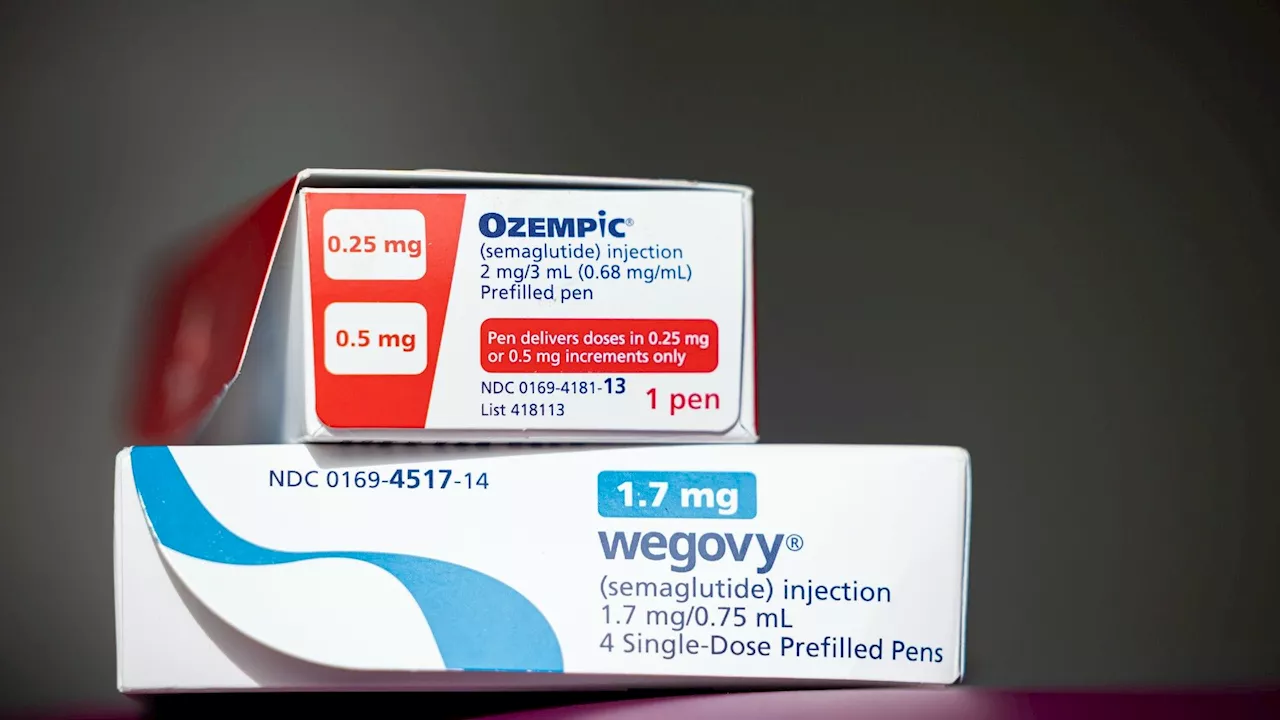
The use of GLP-1 drugs for weight loss has gained significant attention due to their effectiveness in helping individuals shed excess pounds and manage blood sugar levels. However, patients are also facing substantial social and psychological challenges as they navigate the changes brought about by these medications. Dr. Rocio Salas-Whalen, a board-certified endocrinologist and weight loss specialist based in New York, sheds light on these complexities, emphasizing the need for a holistic approach that considers both the physical and emotional aspects of weight loss.
As the holiday season approaches, many individuals using GLP-1 medications may struggle with altered social interactions. These drugs are known to decrease appetite and lower tolerance for alcohol, which can complicate traditional family gatherings centered around food and drink. Dr. Salas-Whalen highlights that the psychological effects of rapid weight loss are profound; many patients feel disconnected from their new selves, which can lead to emotional distress.
In an interview with Fox News Digital, Dr. Salas-Whalen noted, “For the first time in history, we’re having masses of people achieve weight-loss goals that never were possible before.” She explained that while these drugs have revolutionized weight management, they also unearth long-standing emotional trauma related to body image and societal perceptions. “Many patients have decades of trauma from their weight—shame, guilt,” she added.
The psychological impacts of GLP-1 use extend beyond individual feelings. Patients often find that their relationships shift after significant weight loss. Dr. Salas-Whalen reported that some patients have distanced themselves from spouses and friends, largely due to the changes in their eating habits and social behaviors. “Many patients don’t see themselves as that new weight,” she stated. “They see themselves as they were before.” This discrepancy can lead to confusion and frustration when they receive different treatment from others, which they may struggle to understand.
Social pressures can also exacerbate the situation. In many cultures, refusing food at family events is considered impolite, and family members may pressure patients to eat, saying things like, “You’re too skinny.” Dr. Salas-Whalen suggests that open communication about weight-loss journeys can help mitigate these pressures. “I think many people feel ashamed or embarrassed or are even shamed by other people for being on weight-loss medication,” she explained.
To navigate social situations, Dr. Salas-Whalen encourages setting clear boundaries. “It’s just setting boundaries that we sometimes don’t have with family,” she advised. Patients can explain that their eating habits have changed due to GLP-1 medication and that they would appreciate not feeling pressured. “It’s harder if you want to keep it a secret, but even if it’s kept a secret, you can just say, ‘I am full and this is it, and I’d appreciate it if you didn’t keep pursuing,’” she said.
Disclosing GLP-1 use can also help reduce the stigma surrounding weight-loss medications. As patients become more comfortable discussing their experiences, it may foster acceptance and understanding among family and friends.
In summary, while GLP-1 drugs are proving to be effective tools for weight loss and blood sugar regulation, the accompanying social and psychological challenges deserve attention. As more individuals embark on their weight-loss journeys, addressing the emotional aspects of these changes will be critical in helping them navigate new dynamics in their relationships and self-perception.

Urgent Tax Savings Alert: Maximize Deductions Before April 15

Trump’s Administration Faces Uncertainty Over Government Shutdowns

Cosmic Defects: The Mystery of the Universe’s Missing Anomalies

Rapid City Parks Department Opens Registration for Bocce Leagues

Samsung Galaxy Watch 9 to Feature Larger 435mAh Battery Soon

Two Dead After Student Boats Capsize Off Okinawa Coast

Healthy Choice Wellness Reports Earnings with Mixed Results

Prince Harry Positions Himself as Royal Family’s Image Reviver

All Points North Lodge Achieves FSPHP-ETA Accreditation

Send Holiday Parcels for £1.99 with New Comparison Service

University of Hawaiʻi Leads $25M AI Project to Monitor Natural Disasters

Maui County Reopens Upgraded Lānaʻi Fifth Street Courts Today!

Daily Codeword Puzzle Launches on October 21, 2025

Congresswoman Under Fire for Misleading Epstein Donation Claims

Interstellar Object 3I/ATLAS Emits Unique Metal Alloy, Says Scientist

Trump Vows to Resolve Afghanistan-Pakistan Crisis “Very Quickly”

Charles Darwin’s Address Book Reveals Hidden Aspects of His Life

Rediscovering Chrysler: 5 Overlooked Models from the 1980s
-
 Lifestyle8 months ago
Send Holiday Parcels for £1.99 with New Comparison Service
-
Science9 months ago
University of Hawaiʻi Leads $25M AI Project to Monitor Natural Disasters
-
 Top Stories8 months ago
Maui County Reopens Upgraded Lānaʻi Fifth Street Courts Today!
-
 Entertainment10 months ago
Daily Codeword Puzzle Launches on October 21, 2025
-
 Lifestyle9 months ago
Congresswoman Under Fire for Misleading Epstein Donation Claims
-
 Science10 months ago
Interstellar Object 3I/ATLAS Emits Unique Metal Alloy, Says Scientist
-
 Top Stories9 months ago
Trump Vows to Resolve Afghanistan-Pakistan Crisis “Very Quickly”
-
 Science9 months ago
Charles Darwin’s Address Book Reveals Hidden Aspects of His Life
-
 Lifestyle8 months ago
Rediscovering Chrysler: 5 Overlooked Models from the 1980s
-
 Science7 months ago
Understanding Generation Z: Strategies for Engaging the Workforce
-

 Entertainment10 months ago
Kelly McCreary Discusses Future of Maggie and Winston in Grey’s Anatomy
-

 Top Stories8 months ago
aespa Faces Backlash Over G-Dragon Interaction at 2025 MAMAs