
Business
Greeley’s Catalyst-Cascadia Project Sparks Business Division

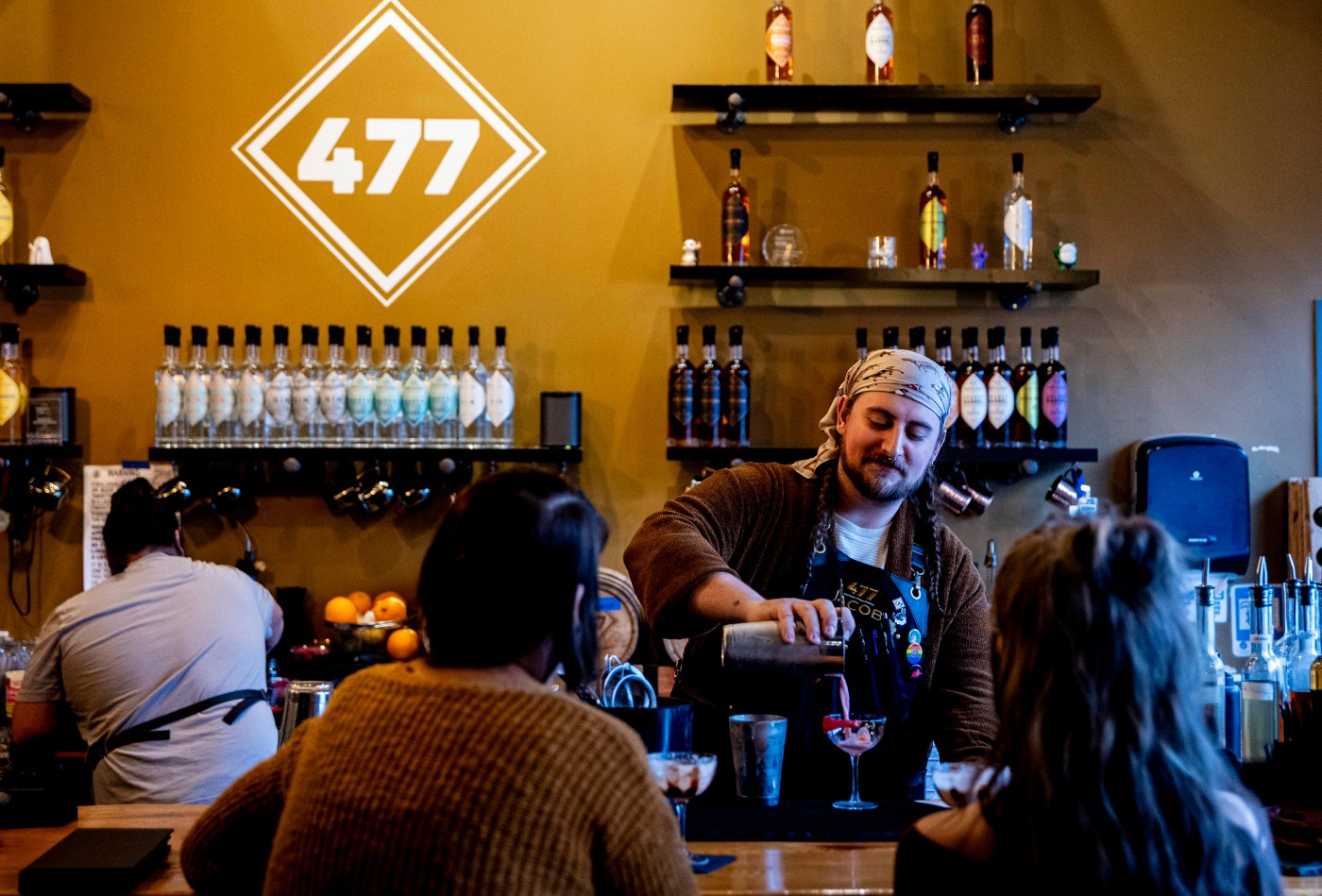
The upcoming vote on Greeley’s ballot question 1A has ignited a heated debate among local businesses, reflecting a divide over the proposed $832 million Catalyst-Cascadia project. Scheduled for February 24, 2026, this initiative is touted to bring entertainment and professional hockey to the area, promising nearly $500 million in tax revenue over the next three decades. Yet, the controversy surrounding it has left some downtown business owners hesitant to express their views for fear of alienating customers.
The Catalyst-Cascadia project aims to establish a significant entertainment district located approximately 15 miles from downtown Greeley, at U.S. 34 and Weld County Road 17. While proponents argue it will enhance the local economy, some business owners question the potential negative impacts on the downtown area. Bob Hutson, co-owner of Aunt Helen’s Coffee House & Cafe, noted the national climate of division has created reticence within the community. He stated, “I think people are trying not to create more confrontation than they have to. They’re going to let their vote do the talking. None of us know what is right or wrong.”
The Greeley Downtown Development Authority (DDA) has opted not to take a public stance on the project. Executive Director Bianca Fisher emphasized the organization’s role in fostering a vibrant community and acknowledged mixed feelings within downtown. In a statement, she expressed hope that Greeley could support both a thriving downtown and the new entertainment district, suggesting that both could attract different audiences.
The controversy escalated when a previous group attempted to halt the project by advocating for a ballot measure, which was blocked by supporters of Catalyst-Cascadia. Martin Lind, the lead developer and head of Water Valley Co., is projected to earn around $25 million from the project. This figure represents 3% of the total development cost, and Lind has faced criticism from opponents who question the financial viability of the project.
Many small business owners are grappling with the potential repercussions of taking a public stance. Margaret Thompson, owner of Margie’s Java Joint, expressed concern over any action that might deter customers. “It’s difficult to do business as a small business owner,” she remarked. “I’m wary of anything that makes even 1% less people come to our door.” The fragility of small businesses in the current economic climate has heightened sensitivities around this contentious issue.
Polarized Opinions and Community Impact
The debate has led to a polarized atmosphere, with Greeley Forward supporting the project and advocating for a “no” vote on 1A, while Greeley Demands Better urges a “yes” vote to delay the project. Matt Estrin, owner of two downtown establishments, criticized both sides for using downtown as a pawn in their campaigns. He noted, “I’m not sure either side has really stated how Catalyst and Cascadia positively or negatively impacts downtown.” The confusion surrounding the ballot language has added to the community’s uncertainty, making it challenging for voters to discern the implications of their choices.
Supporters of Catalyst-Cascadia argue that the project will draw visitors to the area, benefiting downtown businesses. Bill Rigler, a spokesperson for Greeley Forward, stated that a mobility hub included in the project would facilitate access to downtown. Conversely, detractors contend that the location of the project may divert customers away from existing downtown businesses. Estrin warned of the potential negative consequences, suggesting that increased competition could harm smaller establishments.
Another local restaurant owner, Ron Redfern of The Cow Saloon & Eatery, supports the project due to the anticipated tax revenue. He commented, “I believe this is good for all of Greeley. It won’t benefit me out of the chute, but long term, the taxes help everyone in Greeley.” Redfern acknowledged the fear among business owners regarding public backlash, reflecting a broader uncertainty within the community.
Future Prospects and Community Sentiment
As Greeley approaches the pivotal vote, the community remains divided on the future of the Catalyst-Cascadia project. Business owners are torn between the potential benefits of increased tourism and the risks of alienating their existing customer base. Aimee Hutson, also a co-owner of Aunt Helen’s, expressed her concerns about the project overshadowing the need for housing and development that would enhance downtown walkability.
With ballots due by mail or at designated drop box locations by 19:00 on February 24, the outcome will ultimately shape the future of Greeley’s downtown landscape. As tensions rise, the community faces a critical moment that could redefine the economic and social fabric of the area. The ongoing discussions reflect not only local sentiments but also broader trends affecting small businesses across the nation.

Urgent Tax Savings Alert: Maximize Deductions Before April 15

Trump’s Administration Faces Uncertainty Over Government Shutdowns

Cosmic Defects: The Mystery of the Universe’s Missing Anomalies

Rapid City Parks Department Opens Registration for Bocce Leagues

Samsung Galaxy Watch 9 to Feature Larger 435mAh Battery Soon

Two Dead After Student Boats Capsize Off Okinawa Coast

Healthy Choice Wellness Reports Earnings with Mixed Results

Prince Harry Positions Himself as Royal Family’s Image Reviver

All Points North Lodge Achieves FSPHP-ETA Accreditation

Send Holiday Parcels for £1.99 with New Comparison Service

University of Hawaiʻi Leads $25M AI Project to Monitor Natural Disasters

Maui County Reopens Upgraded Lānaʻi Fifth Street Courts Today!

Daily Codeword Puzzle Launches on October 21, 2025

Congresswoman Under Fire for Misleading Epstein Donation Claims

Interstellar Object 3I/ATLAS Emits Unique Metal Alloy, Says Scientist

Trump Vows to Resolve Afghanistan-Pakistan Crisis “Very Quickly”

Charles Darwin’s Address Book Reveals Hidden Aspects of His Life

Rediscovering Chrysler: 5 Overlooked Models from the 1980s
-
 Lifestyle8 months ago
Send Holiday Parcels for £1.99 with New Comparison Service
-
Science9 months ago
University of Hawaiʻi Leads $25M AI Project to Monitor Natural Disasters
-
 Top Stories8 months ago
Maui County Reopens Upgraded Lānaʻi Fifth Street Courts Today!
-
 Entertainment10 months ago
Daily Codeword Puzzle Launches on October 21, 2025
-
 Lifestyle9 months ago
Congresswoman Under Fire for Misleading Epstein Donation Claims
-
 Science10 months ago
Interstellar Object 3I/ATLAS Emits Unique Metal Alloy, Says Scientist
-
 Top Stories9 months ago
Trump Vows to Resolve Afghanistan-Pakistan Crisis “Very Quickly”
-
 Science9 months ago
Charles Darwin’s Address Book Reveals Hidden Aspects of His Life
-
 Lifestyle8 months ago
Rediscovering Chrysler: 5 Overlooked Models from the 1980s
-

 Science7 months ago
Understanding Generation Z: Strategies for Engaging the Workforce
-

 Entertainment10 months ago
Kelly McCreary Discusses Future of Maggie and Winston in Grey’s Anatomy
-

 Top Stories8 months ago
aespa Faces Backlash Over G-Dragon Interaction at 2025 MAMAs