
Business
Treasury Department Intensifies Fraud Investigations in Somali Community

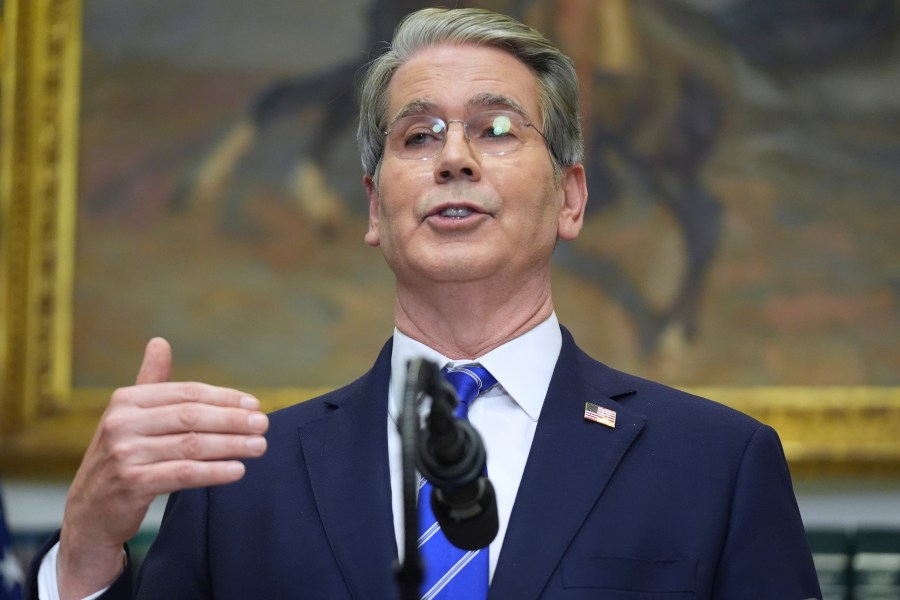
The U.S. Treasury Department is increasing its scrutiny of money transfer businesses used by Minnesota’s Somali community as part of a broader investigation into potential fraud. Treasury Secretary Scott Bessent announced on Friday that the initiative aims to address concerns regarding financial practices within this diaspora, which has been a focal point of the Trump administration’s immigration enforcement efforts.
This heightened investigation comes amid ongoing discussions about the financial support that immigrant communities provide to family members overseas. The Somali community in Minnesota has historically relied on these wire transfer services to send remittances back to their families in Somalia. Secretary Bessent emphasized the need to ensure that these transactions comply with federal regulations, particularly regarding anti-fraud measures.
Context of Investigations
The Trump administration has pursued various policies affecting immigrant communities, particularly targeting those with ties to countries designated as high-risk for terrorism. Minnesota’s Somali diaspora has been significantly impacted by these policies, facing increased scrutiny from both federal and local authorities.
Secretary Bessent’s statements highlight a broader concern about the use of these wire transfer services for illicit activities. The Treasury Department plans to collaborate with financial institutions to monitor transactions more closely. As part of this initiative, businesses that facilitate these money transfers will be required to enhance their compliance measures to prevent fraud and ensure the legitimacy of their operations.
Impact on the Community
The Somali community in Minnesota, which numbers approximately 50,000, has expressed concerns about the implications of these investigations. Community leaders argue that the increased scrutiny could adversely affect legitimate financial activities and lead to a chilling effect on remittances sent to Somalia. Many families depend on these funds for basic living expenses, education, and healthcare.
Community members are advocating for transparency in the investigation process, seeking assurances that the measures implemented will not undermine their ability to support family members abroad. They emphasize that the vast majority of transactions are legitimate and serve vital humanitarian purposes.
As the Treasury Department moves forward, the balance between enforcing regulations and supporting legitimate financial practices will be critical. Secretary Bessent’s statements indicate a commitment to addressing potential fraud while also recognizing the significance of remittances in the lives of many Somali families in Minnesota.
The outcome of these investigations could shape the future of financial interactions between Minnesota’s Somali community and their families in Somalia, making it essential for all parties involved to navigate this complex landscape with care.

17-Year-Old Girl Falls 100 Feet to Death at Queensland Lookout

At Least 11 Killed in Shooting at Jewish Gathering in Australia

Stream NFL RedZone Free This Week: Your Guide to Options

Health Expert Recommends Golden Milk Over Hot Chocolate for Sleep

Jewish Leaders Condemn Deadly Terror Attack at Bondi Beach

Wyoming Increases Stake in Agnico Eagle Mines by 69.5% in Q2

Urgent Update: 12 Dead in Bondi Beach Terror Attack During Chanukah

Adult Actress Bonnie Blue Arrested in Indonesia, Faces Deportation

Urgent Alert: Car Heaters Blowing Cold Air—4 Key Causes Revealed

University of Hawaiʻi Leads $25M AI Project to Monitor Natural Disasters

Interstellar Object 3I/ATLAS Emits Unique Metal Alloy, Says Scientist

Researchers Achieve Fastest Genome Sequencing in Under Four Hours

Iconic Sand Dollar Social Club Listed for $3 Million in Folly Beach

Afghan Refugee Detained by ICE After Asylum Hearing in New York

McEwen Inc. Secures Tartan Lake Gold Mine Through Acquisition

Peptilogics Secures $78 Million to Combat Prosthetic Joint Infections

Mars Observed: Detailed Imaging Reveals Dust Avalanche Dynamics

Jump for Good: San Clemente Pier Fundraiser Allows Legal Leaps
-
Science1 month ago
University of Hawaiʻi Leads $25M AI Project to Monitor Natural Disasters
-
 Science2 months ago
Interstellar Object 3I/ATLAS Emits Unique Metal Alloy, Says Scientist
-
 Science2 months ago
Researchers Achieve Fastest Genome Sequencing in Under Four Hours
-
 Business2 months ago
Iconic Sand Dollar Social Club Listed for $3 Million in Folly Beach
-
 Politics2 months ago
Afghan Refugee Detained by ICE After Asylum Hearing in New York
-
 Business2 months ago
McEwen Inc. Secures Tartan Lake Gold Mine Through Acquisition
-
 Health2 months ago
Peptilogics Secures $78 Million to Combat Prosthetic Joint Infections
-
 Science2 months ago
Mars Observed: Detailed Imaging Reveals Dust Avalanche Dynamics
-
 Lifestyle2 months ago
Jump for Good: San Clemente Pier Fundraiser Allows Legal Leaps
-

 Health2 months ago
Researcher Uncovers Zika Virus Pathway to Placenta Using Nanotubes
-

 Entertainment2 months ago
Jennifer Lopez Addresses A-Rod Split in Candid Interview
-
 World2 months ago
US Passport Ranks Drop Out of Top 10 for First Time Ever