
Entertainment
Discover How Alcohol Can Help Force Paperwhites to Bloom Indoors

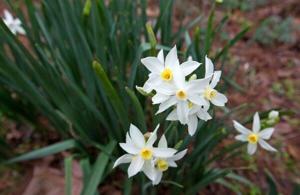
For garden enthusiasts looking to force paperwhite bulbs indoors, an unexpected method involving alcohol could prove beneficial. According to gardening expert Dan Gill, using a diluted alcohol solution can help manage the height of the plants, preventing them from becoming too tall or floppy. This advice comes after Gill investigated the practice, which was initially met with skepticism.
When forcing paperwhite bulbs, many gardeners encounter the challenge of tall, unstable growth. This is where the alcohol comes in. Research from Cornell University suggests that a solution of 4% to 6% ethanol can significantly improve the plants’ structure. The process begins by planting the bulbs in containers filled with pebbles and water. Once the roots develop and the shoots reach a height of 1 to 2 inches, the water should be replaced with the alcohol solution.
To create the correct concentration, mix one part of a distilled spirit—such as gin or vodka—with seven parts water to achieve a 5% alcohol solution. It is crucial to avoid using beer or wine, as they do not provide the same results. Excessive alcohol can harm the plants; anything above 10% can negatively affect growth, while concentrations of 25% are toxic. Maintaining moderation is essential for success.
The outcome of this technique is a shorter, well-proportioned plant with flowers that remain just as large, fragrant, and long-lasting. Alongside adequate lighting and cooler temperatures, the use of ethanol can enhance growth conditions, especially when they are less than ideal.
In other gardening inquiries, a reader named Lyndon raised concerns about his sister’s persimmon tree in Eunice. After a freeze, the tree exhibited yellowing leaves and failed to produce any fruit. Gill reassured Lyndon that such fluctuations in fruit production can be normal. Fruit trees occasionally skip a season, and the tree’s deciduous nature means it will shed leaves in the fall. Unless there are clear signs of permanent damage, there is likely no cause for alarm.
Another inquiry from a reader named Sherlyn described a sticky black area on her tree’s trunk, which Gill indicated likely results from sap bleeding due to an internal infection. He recommended consulting a licensed arborist for a proper diagnosis.
As the gardening year progresses, the LSU AgCenter has released its 2026 Get It Growing Lawn and Garden calendar, which is available online and at local nurseries. Priced at $13.95, it features monthly tips and stunning photographs by Louisiana gardeners, with proceeds supporting horticulture scholarships and research.
Now is the time to complete planting spring-flowering bulbs such as daffodils and tulips, with a final deadline by early December. Tulips and hyacinths need to be refrigerated for at least six weeks before planting, making this the last opportunity to prepare for a vibrant spring display.
In late November through early December, deciduous trees and shrubs in south Louisiana typically showcase their most vibrant colors. Notable species include ginkgo, Southern sugar maple, and flowering pear, which are known for their striking autumn foliage.
Gardeners are also encouraged not to discard fallen leaves from their trees. Instead, these leaves can serve as valuable mulch around shrubs and vegetables, or be composted to enrich the soil. Utilizing organic matter generated by one’s landscape can help reduce the need for purchased mulch while enhancing garden health.
With these insights, both novice and experienced gardeners can navigate the challenges of indoor and outdoor gardening, leading to fruitful and vibrant results.

Urgent Tax Savings Alert: Maximize Deductions Before April 15

Trump’s Administration Faces Uncertainty Over Government Shutdowns

Cosmic Defects: The Mystery of the Universe’s Missing Anomalies

Rapid City Parks Department Opens Registration for Bocce Leagues

Samsung Galaxy Watch 9 to Feature Larger 435mAh Battery Soon

Two Dead After Student Boats Capsize Off Okinawa Coast

Healthy Choice Wellness Reports Earnings with Mixed Results

Prince Harry Positions Himself as Royal Family’s Image Reviver

All Points North Lodge Achieves FSPHP-ETA Accreditation

Send Holiday Parcels for £1.99 with New Comparison Service

University of Hawaiʻi Leads $25M AI Project to Monitor Natural Disasters

Maui County Reopens Upgraded Lānaʻi Fifth Street Courts Today!

Daily Codeword Puzzle Launches on October 21, 2025

Congresswoman Under Fire for Misleading Epstein Donation Claims

Interstellar Object 3I/ATLAS Emits Unique Metal Alloy, Says Scientist

Trump Vows to Resolve Afghanistan-Pakistan Crisis “Very Quickly”

Charles Darwin’s Address Book Reveals Hidden Aspects of His Life

Rediscovering Chrysler: 5 Overlooked Models from the 1980s
-
 Lifestyle8 months ago
Send Holiday Parcels for £1.99 with New Comparison Service
-
Science9 months ago
University of Hawaiʻi Leads $25M AI Project to Monitor Natural Disasters
-
 Top Stories8 months ago
Maui County Reopens Upgraded Lānaʻi Fifth Street Courts Today!
-
 Entertainment10 months ago
Daily Codeword Puzzle Launches on October 21, 2025
-
 Lifestyle9 months ago
Congresswoman Under Fire for Misleading Epstein Donation Claims
-
 Science10 months ago
Interstellar Object 3I/ATLAS Emits Unique Metal Alloy, Says Scientist
-
 Top Stories9 months ago
Trump Vows to Resolve Afghanistan-Pakistan Crisis “Very Quickly”
-
 Science9 months ago
Charles Darwin’s Address Book Reveals Hidden Aspects of His Life
-
 Lifestyle8 months ago
Rediscovering Chrysler: 5 Overlooked Models from the 1980s
-

 Science7 months ago
Understanding Generation Z: Strategies for Engaging the Workforce
-

 Entertainment10 months ago
Kelly McCreary Discusses Future of Maggie and Winston in Grey’s Anatomy
-

 Top Stories8 months ago
aespa Faces Backlash Over G-Dragon Interaction at 2025 MAMAs