
Entertainment
Experience Summer Stars This Winter: A Celestial Preview

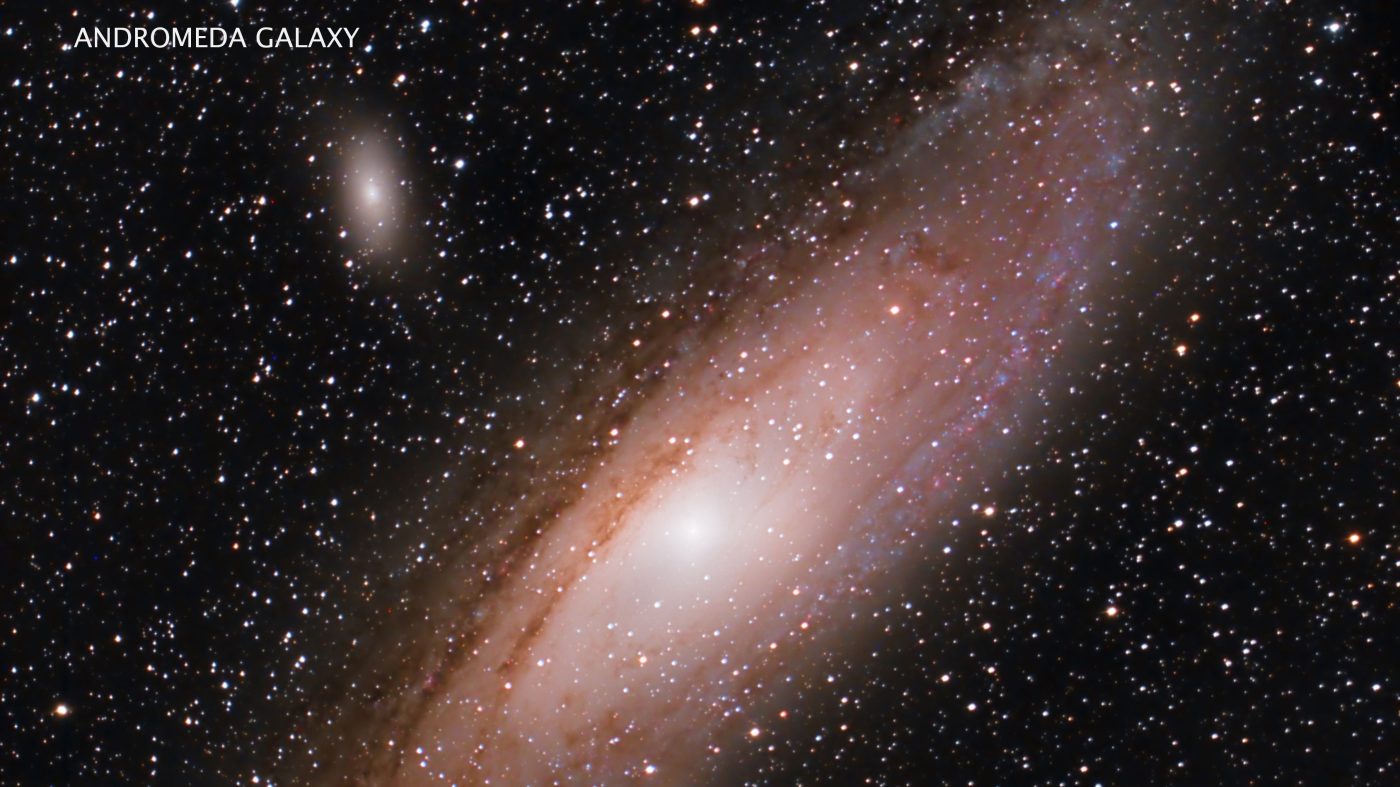
As winter continues to grip many regions, stargazers have a unique opportunity to glimpse summer constellations in the pre-dawn sky. Astronomer Mike Lynch highlights that by rising early, individuals can experience the same stellar display visible in July, offering an enticing preview of the warmer months ahead.
Winter’s Unique Orbital Dynamics
Astronomically, winter is the shortest season due to the Earth’s elliptical orbit around the sun. Currently, Earth is approximately three million miles closer to the sun than during the summer months. This proximity causes the planet to travel faster in its orbit, reaching speeds of over 67,500 miles per hour, which is about 2,000 miles per hour faster than during summer. The implications are significant; while summer takes about 94 days to transition into autumn, winter only lasts 89 days before spring arrives.
This phenomenon is akin to swinging a donut on a short string; as the string shortens, the donut spins more rapidly. This swift movement means that for those eager for summer, the celestial rewards are just before dawn.
Summer Constellations Await
For those in regions like Minnesota and Western Wisconsin, the pre-twilight sky provides a view of summer constellations such as Bootes, Cygnus, Delphinus, Scorpius, and Sagittarius. Observing these stars before dawn offers a comforting reminder of the warmer nights to come, free from the discomfort of mosquitoes.
As you prepare to venture out, a hot cup of coffee can enhance the experience. Lynch encourages stargazers to seize this moment in the winter sky, which reflects the same celestial patterns that will dominate the summer evenings.
This week, a notable celestial event is set to occur. On Thursday night, the waxing gibbous moon will position itself above and slightly to the right of the bright planet Jupiter. As the largest planet in our solar system, Jupiter shines brightly in the night sky. With a small telescope or binoculars, viewers may even catch a glimpse of up to four of its moons, appearing as tiny stars flanking the giant planet.
Mike Lynch, a retired broadcast meteorologist and amateur astronomer, is the author of “Stars: A Month by Month Tour of the Constellations,” available through Adventure Publications. His insights offer a blend of scientific knowledge and practical advice for those intrigued by the night sky. For those interested in a more personal exploration of astronomy, Lynch is available for private star parties and can be contacted at [email protected].
As winter unfolds, the opportunity to engage with the universe remains vibrant. By simply setting an alarm, you can transport yourself to the beauty of summer through the wonders of the night sky.

Urgent Tax Savings Alert: Maximize Deductions Before April 15

Trump’s Administration Faces Uncertainty Over Government Shutdowns

Cosmic Defects: The Mystery of the Universe’s Missing Anomalies

Rapid City Parks Department Opens Registration for Bocce Leagues

Samsung Galaxy Watch 9 to Feature Larger 435mAh Battery Soon

Two Dead After Student Boats Capsize Off Okinawa Coast

Healthy Choice Wellness Reports Earnings with Mixed Results

Prince Harry Positions Himself as Royal Family’s Image Reviver

All Points North Lodge Achieves FSPHP-ETA Accreditation

Send Holiday Parcels for £1.99 with New Comparison Service

University of Hawaiʻi Leads $25M AI Project to Monitor Natural Disasters

Maui County Reopens Upgraded Lānaʻi Fifth Street Courts Today!

Interstellar Object 3I/ATLAS Emits Unique Metal Alloy, Says Scientist

Kelly McCreary Discusses Future of Maggie and Winston in Grey’s Anatomy

Daily Codeword Puzzle Launches on October 21, 2025

Congresswoman Under Fire for Misleading Epstein Donation Claims

Trump Vows to Resolve Afghanistan-Pakistan Crisis “Very Quickly”

Researchers Achieve Fastest Genome Sequencing in Under Four Hours
-
 Lifestyle4 months ago
Send Holiday Parcels for £1.99 with New Comparison Service
-
Science5 months ago
University of Hawaiʻi Leads $25M AI Project to Monitor Natural Disasters
-
 Top Stories4 months ago
Maui County Reopens Upgraded Lānaʻi Fifth Street Courts Today!
-
 Science6 months ago
Interstellar Object 3I/ATLAS Emits Unique Metal Alloy, Says Scientist
-
 Entertainment6 months ago
Kelly McCreary Discusses Future of Maggie and Winston in Grey’s Anatomy
-
 Entertainment6 months ago
Daily Codeword Puzzle Launches on October 21, 2025
-
 Lifestyle5 months ago
Congresswoman Under Fire for Misleading Epstein Donation Claims
-
 Top Stories5 months ago
Trump Vows to Resolve Afghanistan-Pakistan Crisis “Very Quickly”
-
 Science6 months ago
Researchers Achieve Fastest Genome Sequencing in Under Four Hours
-

 Business6 months ago
Iconic Sand Dollar Social Club Listed for $3 Million in Folly Beach
-

 Science4 months ago
Charles Darwin’s Address Book Reveals Hidden Aspects of His Life
-

 Politics6 months ago
Afghan Refugee Detained by ICE After Asylum Hearing in New York