
Health
Cat Sneezing Concerns: What Owners Should Know About Allergies

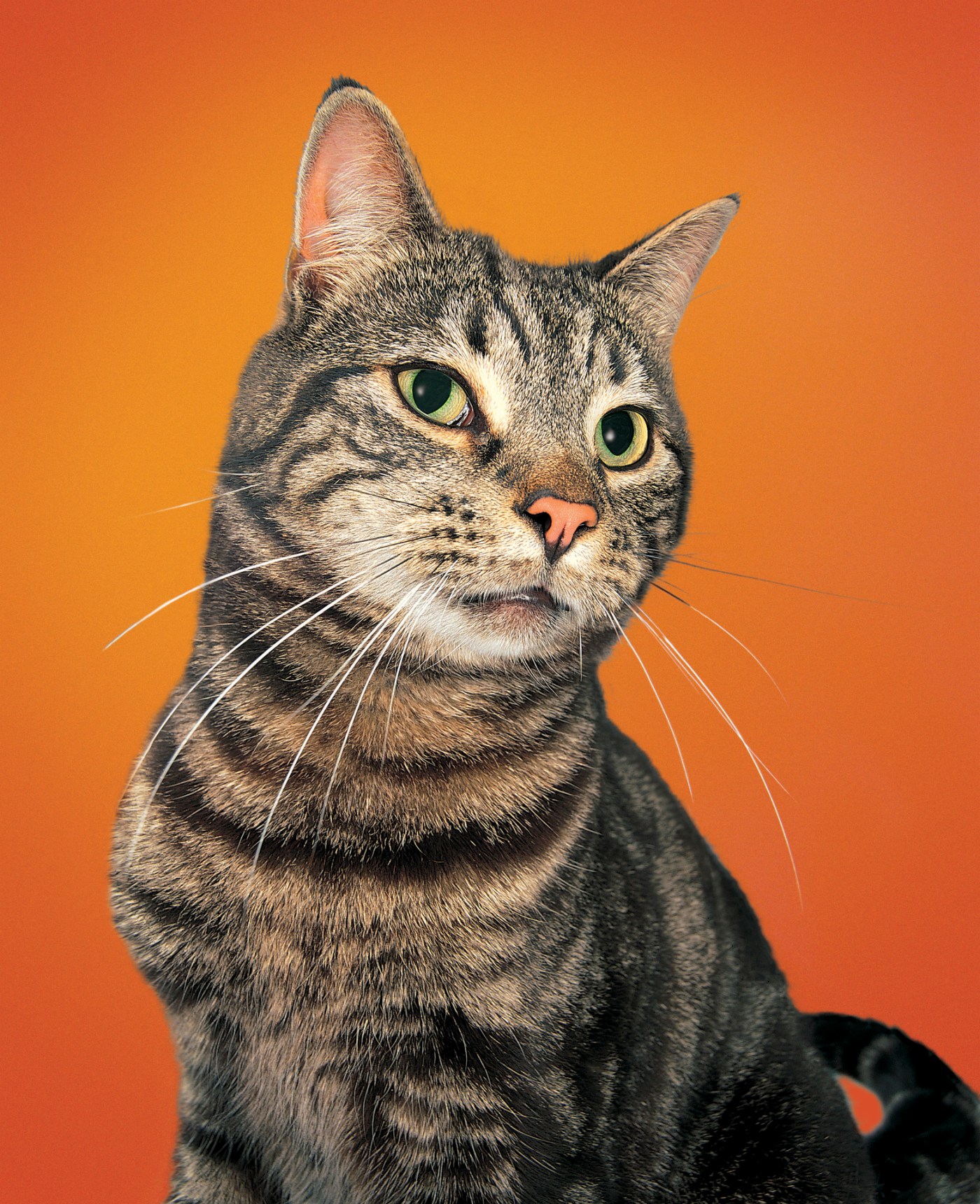
Pet owners often encounter sudden health changes in their animals, leading to questions and concerns. Recently, a cat owner reported that her two 10-year-old cats, named Bill and Ted, have been experiencing increased sneezing. While the brothers had their annual veterinary exams two months ago and were deemed healthy, one cat’s intermittent sneezing has persisted and slightly worsened. The owner speculated that the sneezing might be related to the composting in their environment.
Understanding the reasons behind a cat’s sneezing can help alleviate concerns and guide pet owners on the necessary steps to take. According to Dr. John de Jong, President of the World Veterinary Association and owner of the Boston Mobile Veterinary Clinic, there are several potential causes for a cat’s sneezing.
Possible Causes of Sneezing in Cats
While allergies are one possibility, Dr. de Jong points out that allergic reactions in cats often present with other symptoms, such as itchy skin, tearing eyes, or respiratory issues like wheezing and coughing. More commonly, sneezing is linked to respiratory infections, foreign bodies lodged in the nasal passages, or environmental irritants. Dr. de Jong suggests that the composting may be irritating the cat’s nasal passages or that the cat might have inhaled a foreign object.
Other significant issues could include the development of nasal polyps or growths within the nasal cavity. Pet owners should monitor their cats for additional symptoms that may indicate a more serious problem.
What to Monitor and Next Steps
Dr. de Jong advises looking out for signs such as nasal discharge, swelling at the bridge of the nose, decreased appetite, and lethargy. If the sneezing continues, the first step would be to remove the composting from the cat’s environment to see if the sneezing subsides. If symptoms persist, a veterinarian may recommend further diagnostics. These could include radiographs, endoscopy of the nasal passages, or blood tests to check for infections.
Despite the ongoing sneezing, Dr. de Jong expresses optimism that there is likely no serious underlying issue and that the problem may resolve itself. For concerned pet owners, observing their pets closely and consulting with a veterinarian when symptoms arise is crucial in ensuring their health and well-being.
For more information or to seek veterinary advice, Dr. John de Jong can be reached at 781-899-9994.

Marvel’s Wonder Man Redeems 2013’s Controversial Iron Man Twist

Researchers Unveil Method to Predict Glacier Surges and Ecosystem Changes

Seahawks Set to Unleash ‘X-Factors’ in Super Bowl Showdown

Navy Secretary John Phelan Listed on Epstein Flight Manifest

New Relief Payments Rumored for 2026, But Are They Coming?

Denver Housing Market Faces Historic Low Sales as Activity Surges

Discover the Sci-Fi Legacy of ‘Star Blazers’ That Redefined TV

RFK Jr. Claims Keto Diet Can ‘Cure’ Mental Illness: A Fact Check

Alabama Lawmakers Push Major Utility Reforms with New Bills

Send Holiday Parcels for £1.99 with New Comparison Service

University of Hawaiʻi Leads $25M AI Project to Monitor Natural Disasters

Interstellar Object 3I/ATLAS Emits Unique Metal Alloy, Says Scientist

Maui County Reopens Upgraded Lānaʻi Fifth Street Courts Today!

Kelly McCreary Discusses Future of Maggie and Winston in Grey’s Anatomy

Researchers Achieve Fastest Genome Sequencing in Under Four Hours

Iconic Sand Dollar Social Club Listed for $3 Million in Folly Beach

Afghan Refugee Detained by ICE After Asylum Hearing in New York

Peptilogics Secures $78 Million to Combat Prosthetic Joint Infections
-
 Lifestyle2 months ago
Send Holiday Parcels for £1.99 with New Comparison Service
-
Science3 months ago
University of Hawaiʻi Leads $25M AI Project to Monitor Natural Disasters
-
 Science4 months ago
Interstellar Object 3I/ATLAS Emits Unique Metal Alloy, Says Scientist
-
 Top Stories2 months ago
Maui County Reopens Upgraded Lānaʻi Fifth Street Courts Today!
-
 Entertainment4 months ago
Kelly McCreary Discusses Future of Maggie and Winston in Grey’s Anatomy
-
 Science4 months ago
Researchers Achieve Fastest Genome Sequencing in Under Four Hours
-
 Business4 months ago
Iconic Sand Dollar Social Club Listed for $3 Million in Folly Beach
-
 Politics4 months ago
Afghan Refugee Detained by ICE After Asylum Hearing in New York
-
 Health4 months ago
Peptilogics Secures $78 Million to Combat Prosthetic Joint Infections
-

 Business4 months ago
McEwen Inc. Secures Tartan Lake Gold Mine Through Acquisition
-

 Lifestyle4 months ago
Jump for Good: San Clemente Pier Fundraiser Allows Legal Leaps
-

 Health4 months ago
Researcher Uncovers Zika Virus Pathway to Placenta Using Nanotubes