
Health
Coffee Bans Through History: From Death Penalties to Economic Control

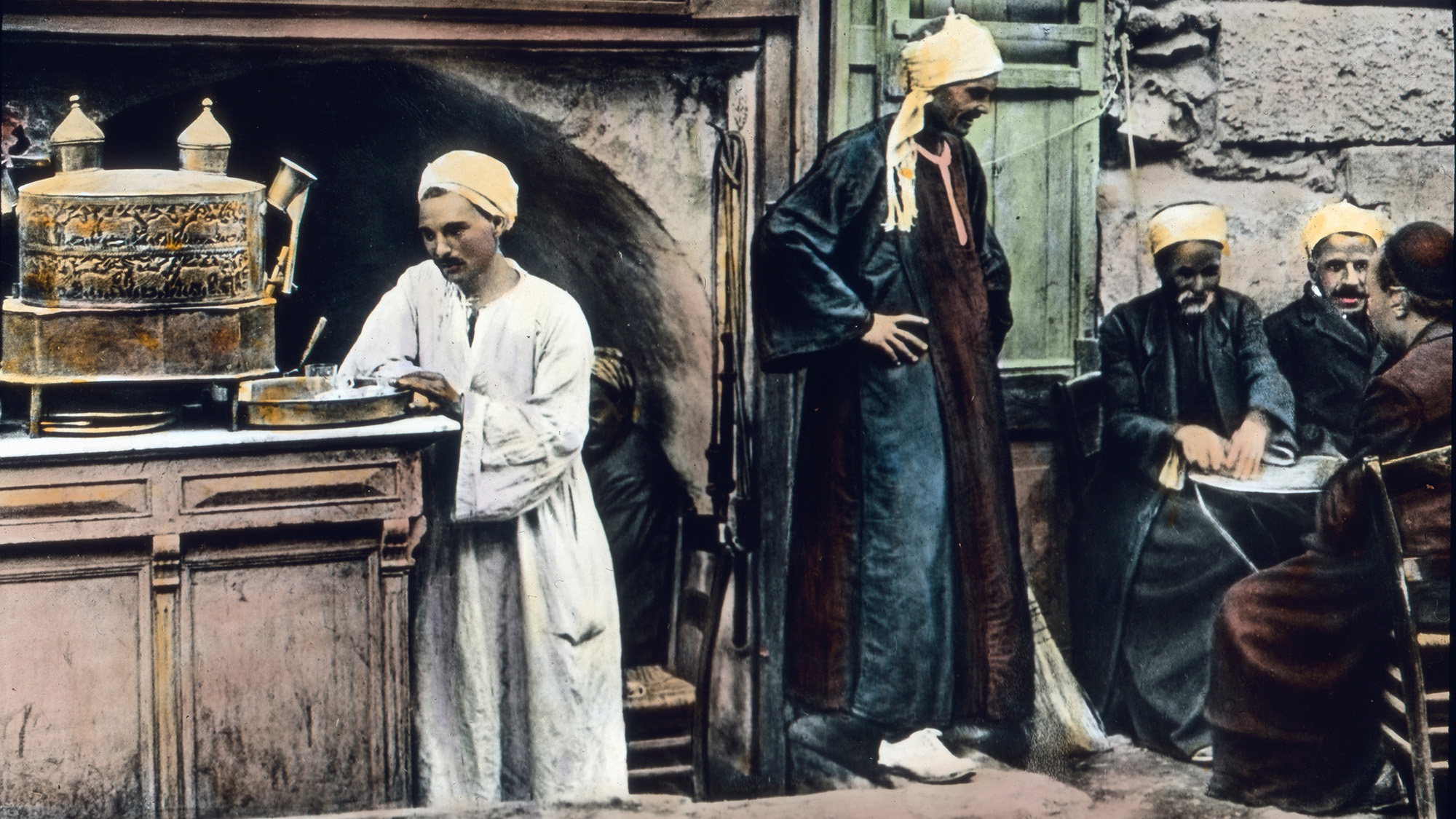
Throughout history, coffee has not only been a beloved beverage but also a source of controversy and conflict. Various rulers and authorities, fearing its societal implications, have attempted to ban coffee, sometimes imposing severe penalties for those who dared to indulge. This article explores notable instances where coffee was deemed illegal, highlighting the motivations behind such bans and their consequences.
Mecca’s 16th Century Ban on Coffee
In the early 1500s, coffee made its way to Mecca, quickly gaining popularity among locals and pilgrims. By 1511, the drink had attracted the attention of local authorities. Kha’ir Beg, an official in Mecca, led a group of scholars to determine whether coffee should be banned. He argued that it harmed health, intoxicated the mind, and incited improper behavior. Under his influence, coffeehouses were closed, beans were burned, and drinkers faced beatings.
However, this crackdown was met with swift resistance. Sultan Al-Ashraf Qansuh al-Ghuri responded to Kha’ir Beg’s actions with a royal edict that allowed private coffee drinking while prohibiting public consumption. This decision ultimately reinstated the coffee culture in Mecca, allowing the community to enjoy their beloved beverage once again.
Ottoman Empire’s Extreme Measures Against Coffee
More than a century later, the situation escalated in Istanbul under Sultan Murad IV. He viewed coffeehouses as potential breeding grounds for rebellion, a concern arising from his own ascension to the throne amidst political turmoil. In an extreme response, Murad IV banned coffeehouses entirely and instituted the death penalty for public coffee drinkers.
Historical accounts depict a chilling image of Murad IV patrolling the streets in disguise, personally executing those caught enjoying coffee. His reign exemplifies the lengths to which rulers would go to curb what they perceived as threats to their authority.
Sweden’s Multifaceted Bans on Coffee
In Europe, coffee faced its own challenges. King Gustav III of Sweden expressed suspicion towards the drink’s effects, leading to a series of five bans on coffee imports between 1756 and 1817. While some tales suggest that Gustav conducted bizarre experiments to prove coffee’s dangers—such as testing its effects on twin convicts—researcher Michal Salamoni from Umeå University indicates these stories may be exaggerated.
The true motivation behind the bans was largely economic, as Sweden sought to protect its trade interests against the coffee grown in other European colonies. Authorities enforced these prohibitions rigorously, arresting and imprisoning those who continued to drink or sell coffee.
Prussia’s Secret “Coffee-Sniffer” Taskforce
In 1777, Frederick the Great of Prussia launched a campaign against coffee, describing it as “disgusting” and detrimental to the economy. His administration created a royal monopoly on coffee, making it prohibitively expensive and prompting widespread smuggling. To combat this illicit trade, Frederick established a covert unit known as the “Kaffeeschnüffler,” or coffee sniffers. Comprised of war veterans, these officers roamed the streets, sniffing out the scent of illegally roasted coffee. Those caught faced hefty fines, with a portion of the penalty going to the sniffer who discovered them.
The severity of these measures highlights how coffee was intertwined with issues of class and economic control. Frederick believed that common citizens should not indulge in what he considered an elite beverage, and the draconian measures he enacted reflected his views on social hierarchy.
While modern society largely accepts coffee as a staple of daily life, these historical accounts reveal the beverage’s contentious past. Today, political upheaval rarely centers around coffee shops, and medical experts generally agree that moderate coffee consumption poses little risk. However, the impact of tariffs and climate change continues to influence coffee prices, reminding us that, throughout history, people have shown tremendous determination to secure their daily cup.

Urgent Tax Savings Alert: Maximize Deductions Before April 15

Trump’s Administration Faces Uncertainty Over Government Shutdowns

Cosmic Defects: The Mystery of the Universe’s Missing Anomalies

Rapid City Parks Department Opens Registration for Bocce Leagues

Samsung Galaxy Watch 9 to Feature Larger 435mAh Battery Soon

Two Dead After Student Boats Capsize Off Okinawa Coast

Healthy Choice Wellness Reports Earnings with Mixed Results

Prince Harry Positions Himself as Royal Family’s Image Reviver

All Points North Lodge Achieves FSPHP-ETA Accreditation

Send Holiday Parcels for £1.99 with New Comparison Service

University of Hawaiʻi Leads $25M AI Project to Monitor Natural Disasters

Maui County Reopens Upgraded Lānaʻi Fifth Street Courts Today!

Interstellar Object 3I/ATLAS Emits Unique Metal Alloy, Says Scientist

Kelly McCreary Discusses Future of Maggie and Winston in Grey’s Anatomy

Daily Codeword Puzzle Launches on October 21, 2025

Congresswoman Under Fire for Misleading Epstein Donation Claims

Trump Vows to Resolve Afghanistan-Pakistan Crisis “Very Quickly”

Researchers Achieve Fastest Genome Sequencing in Under Four Hours
-
 Lifestyle4 months ago
Send Holiday Parcels for £1.99 with New Comparison Service
-
Science5 months ago
University of Hawaiʻi Leads $25M AI Project to Monitor Natural Disasters
-
 Top Stories4 months ago
Maui County Reopens Upgraded Lānaʻi Fifth Street Courts Today!
-
 Science6 months ago
Interstellar Object 3I/ATLAS Emits Unique Metal Alloy, Says Scientist
-
 Entertainment6 months ago
Kelly McCreary Discusses Future of Maggie and Winston in Grey’s Anatomy
-
 Entertainment6 months ago
Daily Codeword Puzzle Launches on October 21, 2025
-
 Lifestyle5 months ago
Congresswoman Under Fire for Misleading Epstein Donation Claims
-
 Top Stories6 months ago
Trump Vows to Resolve Afghanistan-Pakistan Crisis “Very Quickly”
-
 Science6 months ago
Researchers Achieve Fastest Genome Sequencing in Under Four Hours
-

 Business6 months ago
Iconic Sand Dollar Social Club Listed for $3 Million in Folly Beach
-

 Science5 months ago
Charles Darwin’s Address Book Reveals Hidden Aspects of His Life
-

 Politics6 months ago
Afghan Refugee Detained by ICE After Asylum Hearing in New York