
Health
Discover the Key Stats Runners Track with Garmin Watches

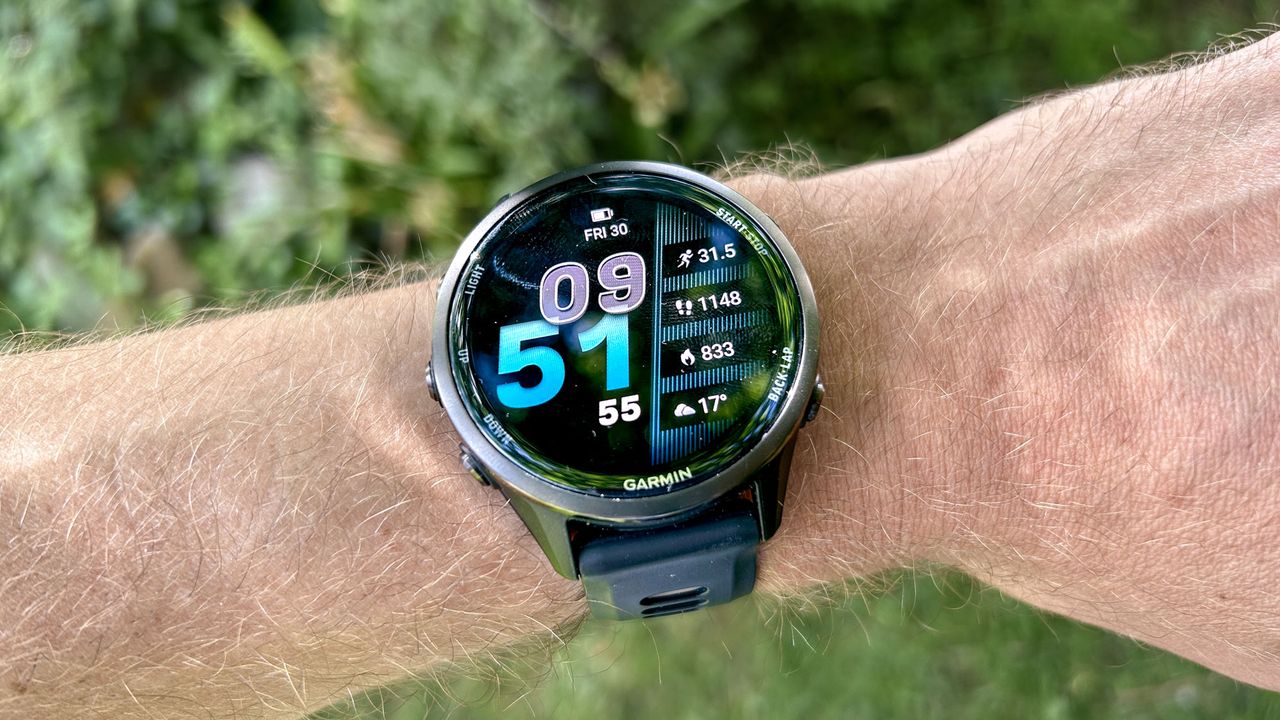
For avid runners, tracking performance can significantly enhance training effectiveness. With numerous metrics available, selecting the most relevant ones is crucial. A seasoned marathon runner, currently training for the London Marathon, shares insights on which statistics from his Garmin Forerunner 970 he prioritizes, as well as those he chooses to disregard.
Essential Statistics for Marathon Training
When activating a new Garmin watch, users can quickly become overwhelmed by the array of statistics provided. Over a decade of experience with these devices has allowed this runner to refine his focus. He emphasizes that accurate data is essential for effective training, particularly recommending the use of an external heart rate monitor during workouts. While the watch’s optical heart rate sensors have improved, he prefers the reliability of a chest strap to guide his training decisions.
Five key statistics emerge as particularly valuable during marathon preparation:
1. **Training Load**: Understanding training load is vital for safe progression. This metric compares acute training load — the running done in the past week — to chronic training load — the longer-term running volume. Currently, his training load ratio stands at 1.1, indicating a manageable short-term load that supports fitness gains without increasing injury risk.
2. **Running Tolerance**: Complementing training load, running tolerance assesses recent running performance, factoring in intensity. For example, after running 74.8 miles in the last week, Garmin calculates this as 91.8 miles when considering run difficulty. His current running tolerance is rated at 103 miles per week, providing insight into potential injury risks if he exceeds this threshold.
3. **Heart Rate Variability (HRV)**: Monitoring HRV each morning allows the runner to gauge recovery. Deviations from normal HRV can signal inadequate recovery or potential illness. This statistic serves as an early warning system, prompting adjustments in training or additional rest days as necessary.
4. **VO2 Max**: This key measure reflects cardiovascular fitness. The runner checks this statistic every few weeks, aiming for a consistent upward trend. A rising VO2 max indicates the effectiveness of his training regime as he prepares for the marathon.
5. **Active Calories**: While he does not closely monitor his weight, tracking active calories burned during intense training days is crucial. This helps ensure that he consumes enough calories to maintain energy levels and avoid unintended weight loss during high-mileage weeks.
Statistics That Are Less Valuable
Despite the wealth of data, certain statistics do not contribute meaningfully to training goals:
1. **Predicted Race Times**: Garmin watches provide estimated finish times for various race distances. However, the runner finds these predictions unreliable. Currently, his watch estimates a marathon time of 2:34:37, which falls short of his personal best. He has consistently outperformed these predictions in actual races, making them less useful for setting realistic targets.
2. **Running Economy**: Although this metric is available with specific heart rate monitors, he has found it less beneficial. Improving running economy is a complex process that often requires professional coaching, making it a marginal gain compared to focusing on overall fitness.
3. **Sleep Score**: Sleep is essential for recovery, yet he expresses skepticism about the accuracy of the sleep score provided by the Garmin watch. Overestimations of sleep time have led him to rely more on personal assessment rather than wearable technology for tracking rest.
In conclusion, while Garmin watches offer a plethora of data, this seasoned marathon runner has honed in on the statistics that truly impact his training. By focusing on training load, running tolerance, heart rate variability, VO2 max, and active calories, he aims to optimize his performance while minimizing injury risk.
For those who also train with smartwatches, identifying which statistics matter most can make a significant difference in achieving running goals.

Urgent Tax Savings Alert: Maximize Deductions Before April 15

Trump’s Administration Faces Uncertainty Over Government Shutdowns

Cosmic Defects: The Mystery of the Universe’s Missing Anomalies

Rapid City Parks Department Opens Registration for Bocce Leagues

Samsung Galaxy Watch 9 to Feature Larger 435mAh Battery Soon

Two Dead After Student Boats Capsize Off Okinawa Coast

Healthy Choice Wellness Reports Earnings with Mixed Results

Prince Harry Positions Himself as Royal Family’s Image Reviver

All Points North Lodge Achieves FSPHP-ETA Accreditation

Send Holiday Parcels for £1.99 with New Comparison Service

University of Hawaiʻi Leads $25M AI Project to Monitor Natural Disasters

Maui County Reopens Upgraded Lānaʻi Fifth Street Courts Today!

Interstellar Object 3I/ATLAS Emits Unique Metal Alloy, Says Scientist

Kelly McCreary Discusses Future of Maggie and Winston in Grey’s Anatomy

Daily Codeword Puzzle Launches on October 21, 2025

Congresswoman Under Fire for Misleading Epstein Donation Claims

Trump Vows to Resolve Afghanistan-Pakistan Crisis “Very Quickly”

Researchers Achieve Fastest Genome Sequencing in Under Four Hours
-
 Lifestyle4 months ago
Send Holiday Parcels for £1.99 with New Comparison Service
-
Science5 months ago
University of Hawaiʻi Leads $25M AI Project to Monitor Natural Disasters
-
 Top Stories4 months ago
Maui County Reopens Upgraded Lānaʻi Fifth Street Courts Today!
-
 Science6 months ago
Interstellar Object 3I/ATLAS Emits Unique Metal Alloy, Says Scientist
-
 Entertainment6 months ago
Kelly McCreary Discusses Future of Maggie and Winston in Grey’s Anatomy
-
 Entertainment6 months ago
Daily Codeword Puzzle Launches on October 21, 2025
-
 Lifestyle5 months ago
Congresswoman Under Fire for Misleading Epstein Donation Claims
-
 Top Stories5 months ago
Trump Vows to Resolve Afghanistan-Pakistan Crisis “Very Quickly”
-
 Science6 months ago
Researchers Achieve Fastest Genome Sequencing in Under Four Hours
-

 Business6 months ago
Iconic Sand Dollar Social Club Listed for $3 Million in Folly Beach
-

 Science4 months ago
Charles Darwin’s Address Book Reveals Hidden Aspects of His Life
-

 Politics6 months ago
Afghan Refugee Detained by ICE After Asylum Hearing in New York