
Health
FDA Approves Addyi for Women Over 65 to Boost Libido

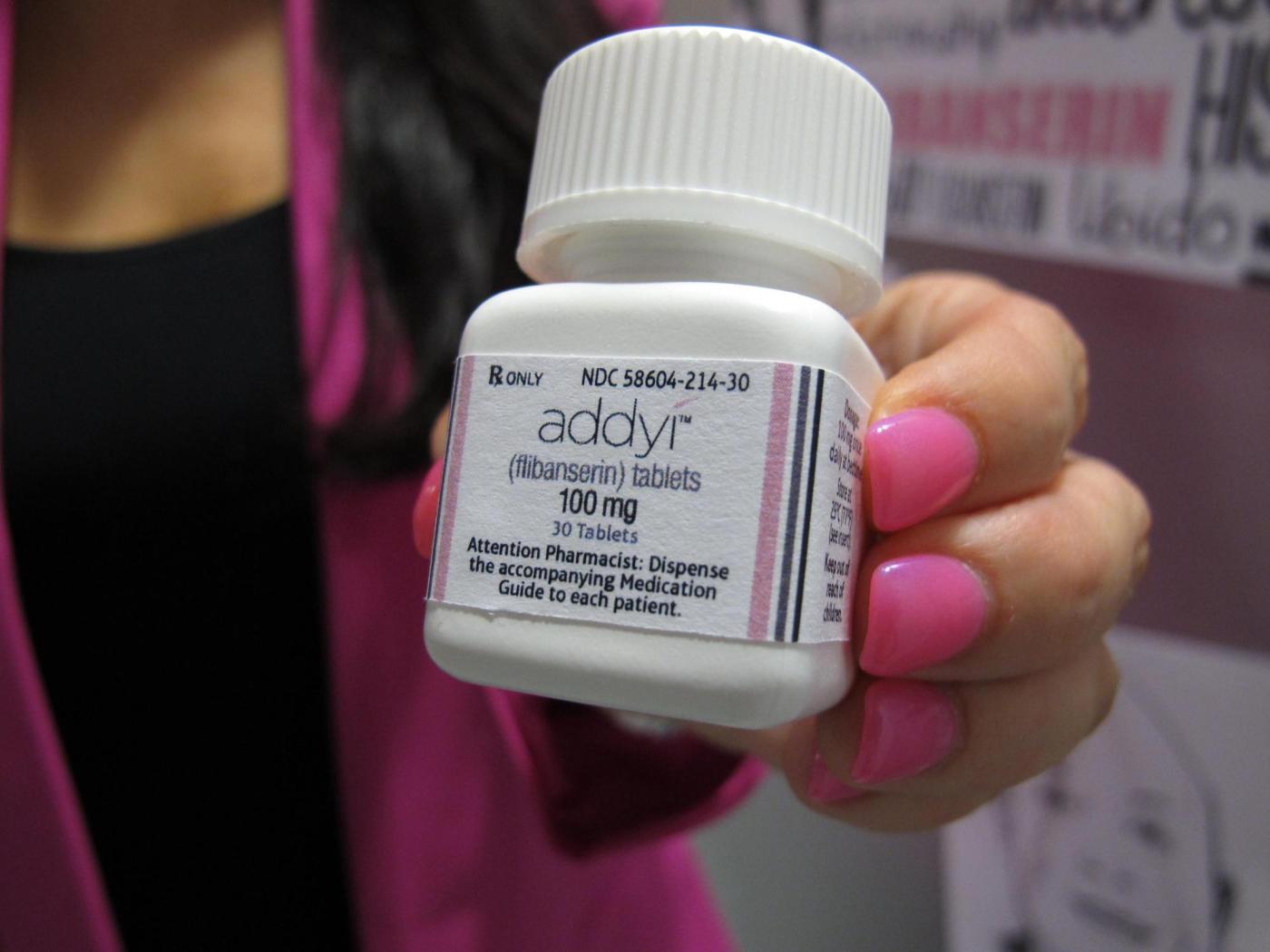
U.S. health officials have expanded the approval of the libido-boosting pill, Addyi, to include women over the age of 65 who have experienced menopause. The announcement on March 4, 2024, from the Food and Drug Administration (FDA) marks a significant shift in the drug’s usage, initially approved in 2015 for premenopausal women dealing with emotional stress linked to low sexual desire.
Addyi, produced by Sprout Pharmaceuticals, was anticipated to be a major advancement in addressing women’s sexual health. However, its journey has been complex. The pill is known to have side effects such as dizziness and nausea, along with a serious safety warning against alcohol consumption, which can lead to dangerously low blood pressure and fainting. This boxed warning represents the FDA’s most severe type of caution.
Sales of Addyi have not met initial expectations. In 2019, the FDA approved a second treatment for low female libido—a separate on-demand injection that targets different neurological pathways. The approval of Addyi for older women may prompt renewed interest in the drug, which acts on brain chemicals influencing mood and appetite.
Cindy Eckert, the CEO of Sprout Pharmaceuticals, expressed her satisfaction with the latest FDA decision, stating that it reflects a decade of persistent efforts to enhance the understanding and prioritization of women’s sexual health. The updated approval allows for broader access to treatment for the medical condition known as hypoactive sexual desire disorder, which has been acknowledged since the 1990s. Surveys indicate that this condition affects a significant number of women across the United States.
The diagnosis of low sexual desire is nuanced, particularly for women post-menopause. As hormone levels decline, various biological changes and medical symptoms can arise, complicating the diagnosis. Physicians are required to consider a range of factors, including relationship issues and mental health conditions, before prescribing medication.
The road to FDA approval for Addyi was not straightforward. The agency initially rejected the drug twice due to concerns over its limited effectiveness and side effects. The eventual approval followed extensive lobbying efforts, with advocates framing the lack of treatment options for female libido as a critical women’s rights issue.
Despite the potential benefits of Addyi, the discussion around low sexual desire remains contentious. Some psychologists argue that low libido should not necessarily be classified as a medical issue, reflecting the ongoing debate about women’s health and the complexities surrounding sexual desire.
As the FDA’s approval opens new avenues for treatment, it underscores the importance of addressing women’s sexual health needs and the challenges that persist in securing effective solutions.

Urgent Tax Savings Alert: Maximize Deductions Before April 15

Trump’s Administration Faces Uncertainty Over Government Shutdowns

Cosmic Defects: The Mystery of the Universe’s Missing Anomalies

Rapid City Parks Department Opens Registration for Bocce Leagues

Samsung Galaxy Watch 9 to Feature Larger 435mAh Battery Soon

Two Dead After Student Boats Capsize Off Okinawa Coast

Healthy Choice Wellness Reports Earnings with Mixed Results

Prince Harry Positions Himself as Royal Family’s Image Reviver

All Points North Lodge Achieves FSPHP-ETA Accreditation

Send Holiday Parcels for £1.99 with New Comparison Service

University of Hawaiʻi Leads $25M AI Project to Monitor Natural Disasters

Maui County Reopens Upgraded Lānaʻi Fifth Street Courts Today!

Daily Codeword Puzzle Launches on October 21, 2025

Congresswoman Under Fire for Misleading Epstein Donation Claims

Interstellar Object 3I/ATLAS Emits Unique Metal Alloy, Says Scientist

Trump Vows to Resolve Afghanistan-Pakistan Crisis “Very Quickly”

Charles Darwin’s Address Book Reveals Hidden Aspects of His Life

Rediscovering Chrysler: 5 Overlooked Models from the 1980s
-
 Lifestyle8 months ago
Send Holiday Parcels for £1.99 with New Comparison Service
-
Science9 months ago
University of Hawaiʻi Leads $25M AI Project to Monitor Natural Disasters
-
 Top Stories8 months ago
Maui County Reopens Upgraded Lānaʻi Fifth Street Courts Today!
-
 Entertainment10 months ago
Daily Codeword Puzzle Launches on October 21, 2025
-
 Lifestyle9 months ago
Congresswoman Under Fire for Misleading Epstein Donation Claims
-
 Science10 months ago
Interstellar Object 3I/ATLAS Emits Unique Metal Alloy, Says Scientist
-
 Top Stories9 months ago
Trump Vows to Resolve Afghanistan-Pakistan Crisis “Very Quickly”
-
 Science9 months ago
Charles Darwin’s Address Book Reveals Hidden Aspects of His Life
-
 Lifestyle8 months ago
Rediscovering Chrysler: 5 Overlooked Models from the 1980s
-

 Science7 months ago
Understanding Generation Z: Strategies for Engaging the Workforce
-

 Entertainment10 months ago
Kelly McCreary Discusses Future of Maggie and Winston in Grey’s Anatomy
-

 Top Stories8 months ago
aespa Faces Backlash Over G-Dragon Interaction at 2025 MAMAs