
Health
Heart-Healthy Thanksgiving: Tips for a Joyous Feast

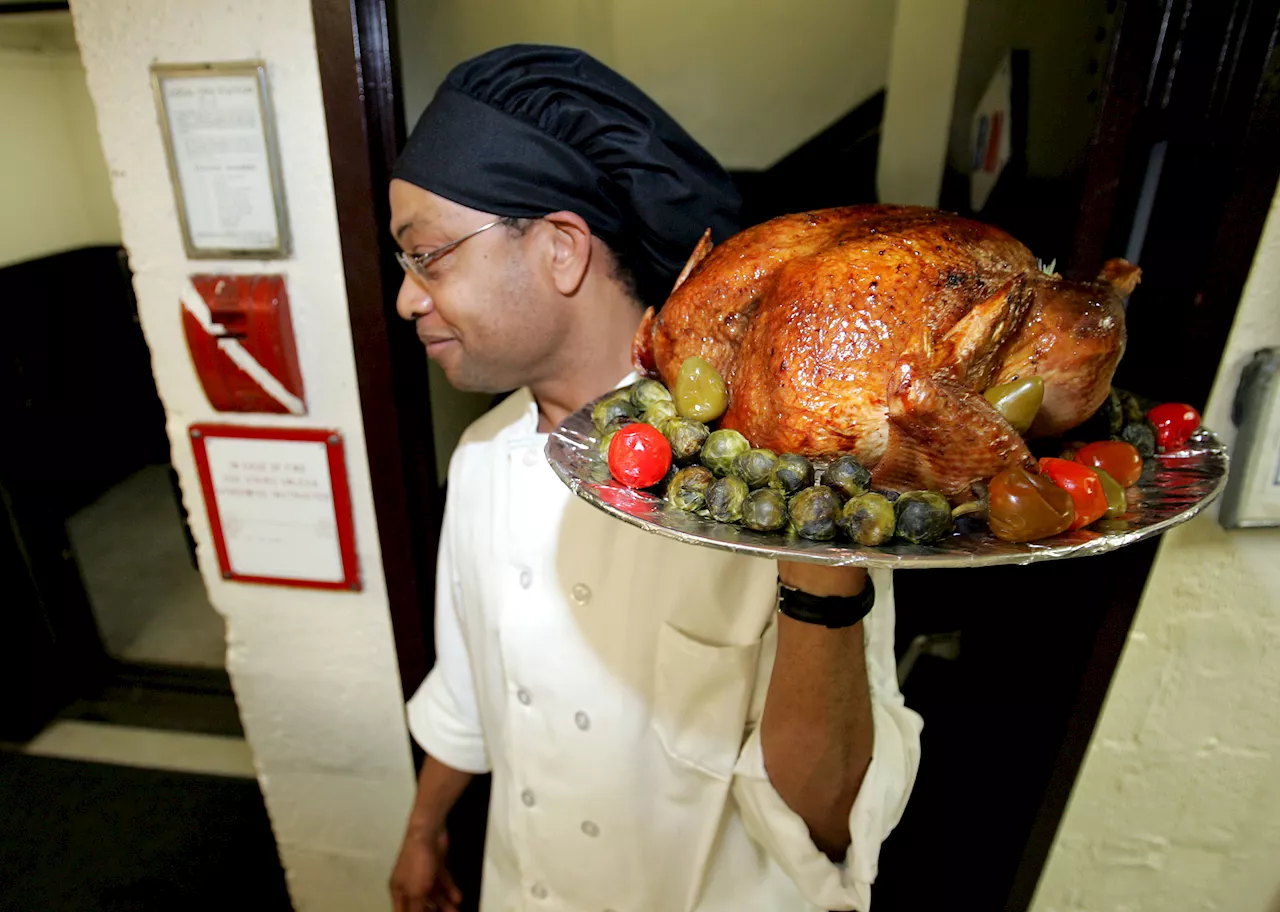
Thanksgiving brings families together for joyous feasting, but it also poses challenges for those concerned about their heart health. Experts suggest that with mindful planning and ingredient swaps, individuals can enjoy traditional meals while prioritizing cardiovascular well-being. This guidance comes from registered dietitians and cardiologists, who offer practical tips for navigating the holiday without sacrificing health.
Balancing Tradition and Nutrition
The classic Thanksgiving meal is often rich in calories, sodium, and unhealthy fats. While turkey is a lean protein option, it is typically accompanied by sides that can undermine heart health. Jen Messer, a registered dietitian and president of the New Hampshire Academy of Nutrition and Dietetics, highlights the benefits of turkey breast as a low-fat choice beneficial for those monitoring their cholesterol and overall calorie intake.
To create a heart-healthy plate, Dr. Ramy Sadek, a board-certified cardiologist at UCR Health in Riverside, California, advises a balanced approach. He recommends filling half the plate with vegetables, a quarter with lean protein like turkey, and the remaining quarter with healthy starches. Using smaller plates can help control serving sizes, while taking a moment before seconds can promote mindful eating.
Smart Ingredient Swaps and Post-Meal Activities
Making simple ingredient substitutions can significantly enhance the nutritional profile of Thanksgiving dishes. For instance, choosing whole-grain bread instead of white for stuffing and replacing butter with olive oil can reduce saturated fat. Additionally, utilizing low-sodium alternatives when preparing dishes is vital for managing sodium intake. Opting for sweet potato casserole instead of mashed potatoes is another healthier choice.
Breakfast is also an important part of the day. Skipping breakfast to save room for the main meal is discouraged. Instead, a light breakfast can help stabilize blood sugar levels, contributing to overall wellness.
Post-meal activities play a crucial role in maintaining heart health. While it may be tempting to relax after a large meal, a light walk of just 10 to 15 minutes can aid digestion and help manage blood sugar levels. Staying hydrated with water can further mitigate the effects of sodium intake. Moreover, individuals should ensure they take prescribed heart medications as directed.
When it comes to alcohol consumption during the holiday, moderation is essential. Excessive intake can lead to elevated blood pressure, impacting heart health.
As families gather to celebrate Thanksgiving, these tips can help ensure a festive occasion that supports heart health without sacrificing tradition. Through thoughtful ingredient choices and mindful eating habits, individuals can enjoy the holiday while caring for their well-being.

Urgent Tax Savings Alert: Maximize Deductions Before April 15

Trump’s Administration Faces Uncertainty Over Government Shutdowns

Cosmic Defects: The Mystery of the Universe’s Missing Anomalies

Rapid City Parks Department Opens Registration for Bocce Leagues

Samsung Galaxy Watch 9 to Feature Larger 435mAh Battery Soon

Two Dead After Student Boats Capsize Off Okinawa Coast

Healthy Choice Wellness Reports Earnings with Mixed Results

Prince Harry Positions Himself as Royal Family’s Image Reviver

All Points North Lodge Achieves FSPHP-ETA Accreditation

Send Holiday Parcels for £1.99 with New Comparison Service

University of Hawaiʻi Leads $25M AI Project to Monitor Natural Disasters

Maui County Reopens Upgraded Lānaʻi Fifth Street Courts Today!

Daily Codeword Puzzle Launches on October 21, 2025

Congresswoman Under Fire for Misleading Epstein Donation Claims

Interstellar Object 3I/ATLAS Emits Unique Metal Alloy, Says Scientist

Trump Vows to Resolve Afghanistan-Pakistan Crisis “Very Quickly”

Charles Darwin’s Address Book Reveals Hidden Aspects of His Life

Rediscovering Chrysler: 5 Overlooked Models from the 1980s
-
 Lifestyle8 months ago
Send Holiday Parcels for £1.99 with New Comparison Service
-
Science9 months ago
University of Hawaiʻi Leads $25M AI Project to Monitor Natural Disasters
-
 Top Stories8 months ago
Maui County Reopens Upgraded Lānaʻi Fifth Street Courts Today!
-
 Entertainment10 months ago
Daily Codeword Puzzle Launches on October 21, 2025
-
 Lifestyle9 months ago
Congresswoman Under Fire for Misleading Epstein Donation Claims
-
 Science10 months ago
Interstellar Object 3I/ATLAS Emits Unique Metal Alloy, Says Scientist
-
 Top Stories9 months ago
Trump Vows to Resolve Afghanistan-Pakistan Crisis “Very Quickly”
-
 Science9 months ago
Charles Darwin’s Address Book Reveals Hidden Aspects of His Life
-
 Lifestyle8 months ago
Rediscovering Chrysler: 5 Overlooked Models from the 1980s
-

 Science7 months ago
Understanding Generation Z: Strategies for Engaging the Workforce
-

 Entertainment10 months ago
Kelly McCreary Discusses Future of Maggie and Winston in Grey’s Anatomy
-

 Top Stories8 months ago
aespa Faces Backlash Over G-Dragon Interaction at 2025 MAMAs