
Health
Keir Starmer and Donald Trump Forge Controversial Medicines Deal

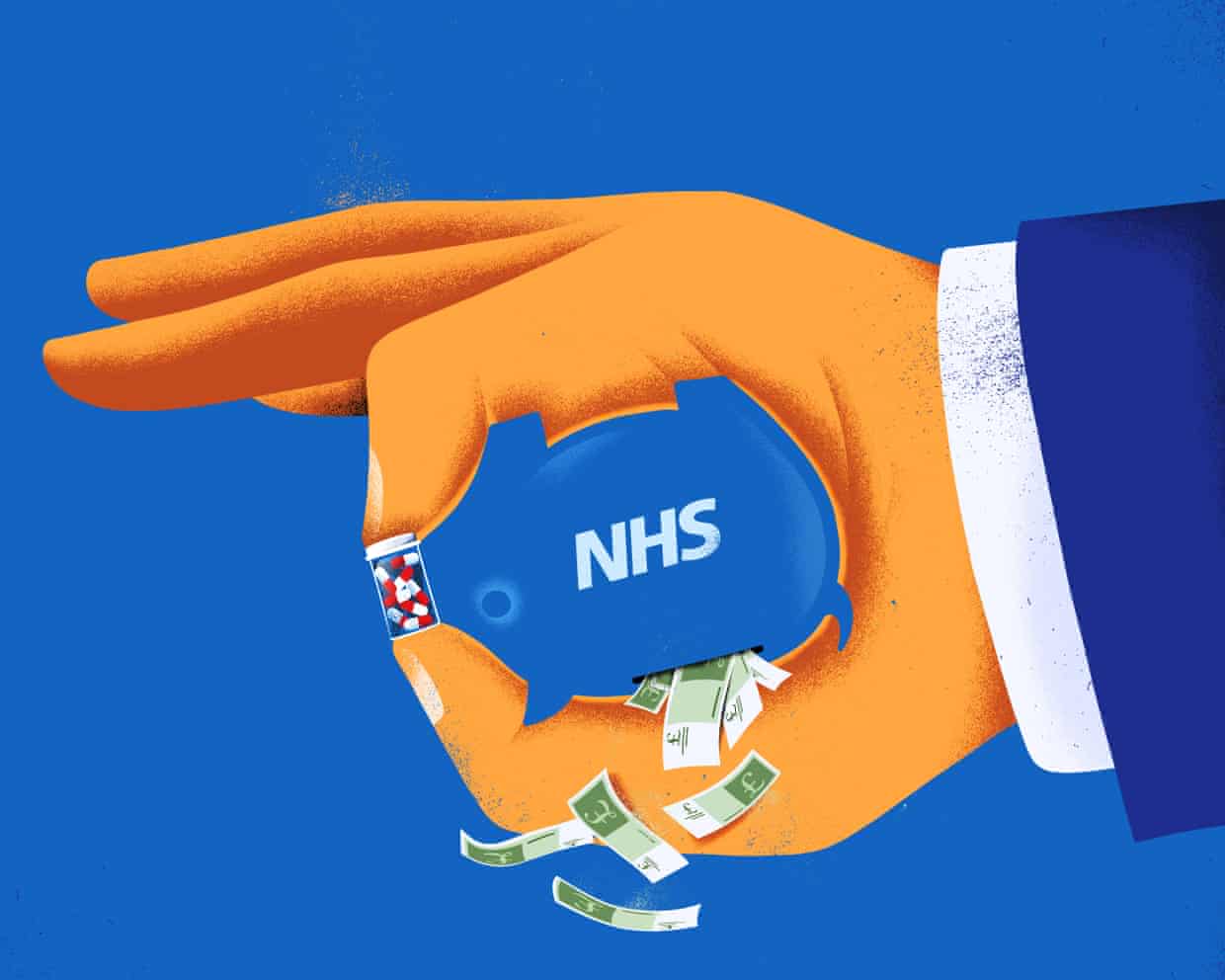
The recent agreement between British Prime Minister Keir Starmer and former U.S. President Donald Trump regarding pharmaceuticals has sparked intense debate over its implications for the UK’s National Health Service (NHS) and public health. While UK officials herald the deal as a significant triumph, critics argue it could lead to devastating consequences for British patients.
In an announcement that has reverberated across political and media landscapes, Patrick Vallance, the UK’s science minister, described the agreement as a “world-beating deal,” suggesting it positions the UK as a global leader in life sciences. Peter Kyle, the business secretary, echoed this sentiment, claiming that “tens of thousands of NHS patients will benefit.” However, these optimistic claims contrast sharply with perspectives emerging from Washington, where U.S. officials tout the deal as a major victory for American workers.
According to Howard Luttnick, the U.S. trade secretary, the agreement ensures that future medical innovations will be developed and produced in the United States. Robert F. Kennedy Jr., the U.S. health secretary, emphasized that the deal prioritizes American interests. This divergence in interpretation raises questions about the true cost of the agreement for the UK.
Reports from the New York Times present a less favorable view, indicating that the UK has agreed to pay significantly more for medicines, potentially adding £3 billion annually to NHS expenses. This financial burden does not translate into enhanced services or new medications; rather, it reallocates existing resources, which could lead to longer wait times and reduced healthcare quality.
Independent analyses, including insights from Karl Claxton, a health economics expert at the University of York, suggest the agreement could result in thousands of additional deaths each year. Claxton’s modeling indicates that if the deal indeed costs the NHS an extra £3 billion, it could lead to approximately 15,971 additional fatalities annually due to reduced healthcare accessibility. If the government’s lower estimate is accurate, the figure would still be alarmingly high at around 6,192.
Despite the seriousness of these implications, there seems to be a lack of comprehensive governmental analysis regarding the agreement’s impact on public health. Neither the Department of Health nor the Department for Science, Innovation and Technology could provide a detailed assessment when approached for comment.
The political climate surrounding this agreement is further complicated by the recent history of UK pharmaceutical negotiations. The NHS has long been recognized for its ability to maintain lower drug prices, largely due to stringent regulations that prevent excessive profits for pharmaceutical companies. In contrast, the U.S. healthcare system often sees medication costs three times higher than in the UK.
The fallout from this deal can be traced back to pressures from major pharmaceutical companies, which have expressed dissatisfaction with the UK’s pricing structure. In September, a series of concerning announcements from pharmaceutical giants highlighted their intentions to pull investments from the UK unless changes were made. For instance, Merck withdrew plans for a new research facility in London, citing unfavorable market conditions.
These developments prompted fears of coordinated actions among pharmaceutical firms, although the Association of the British Pharmaceutical Industry denied any collusion. The situation underscores the tension between maintaining affordable healthcare and appeasing corporate interests.
As the UK government celebrates what it frames as a diplomatic success, experts warn that the implications of this agreement could fundamentally alter the purpose of the NHS. Sally Gainsbury from the Nuffield Trust characterized the current approach as part of a “Ponzi scheme” that prioritizes profit over patient care.
The debate surrounding this agreement reveals a critical juncture in UK health policy. As the government seeks to balance economic growth with the integrity of the NHS, the true costs of these deals remain uncertain. The promise of improved healthcare must be weighed against the potential for increased financial strain and reduced access to essential services.

Urgent Tax Savings Alert: Maximize Deductions Before April 15

Trump’s Administration Faces Uncertainty Over Government Shutdowns

Cosmic Defects: The Mystery of the Universe’s Missing Anomalies

Rapid City Parks Department Opens Registration for Bocce Leagues

Samsung Galaxy Watch 9 to Feature Larger 435mAh Battery Soon

Two Dead After Student Boats Capsize Off Okinawa Coast

Healthy Choice Wellness Reports Earnings with Mixed Results

Prince Harry Positions Himself as Royal Family’s Image Reviver

All Points North Lodge Achieves FSPHP-ETA Accreditation

Send Holiday Parcels for £1.99 with New Comparison Service

University of Hawaiʻi Leads $25M AI Project to Monitor Natural Disasters

Maui County Reopens Upgraded Lānaʻi Fifth Street Courts Today!

Daily Codeword Puzzle Launches on October 21, 2025

Congresswoman Under Fire for Misleading Epstein Donation Claims

Interstellar Object 3I/ATLAS Emits Unique Metal Alloy, Says Scientist

Trump Vows to Resolve Afghanistan-Pakistan Crisis “Very Quickly”

Charles Darwin’s Address Book Reveals Hidden Aspects of His Life

Rediscovering Chrysler: 5 Overlooked Models from the 1980s
-
 Lifestyle8 months ago
Send Holiday Parcels for £1.99 with New Comparison Service
-
Science9 months ago
University of Hawaiʻi Leads $25M AI Project to Monitor Natural Disasters
-
 Top Stories8 months ago
Maui County Reopens Upgraded Lānaʻi Fifth Street Courts Today!
-
 Entertainment10 months ago
Daily Codeword Puzzle Launches on October 21, 2025
-
 Lifestyle9 months ago
Congresswoman Under Fire for Misleading Epstein Donation Claims
-
 Science10 months ago
Interstellar Object 3I/ATLAS Emits Unique Metal Alloy, Says Scientist
-
 Top Stories9 months ago
Trump Vows to Resolve Afghanistan-Pakistan Crisis “Very Quickly”
-
 Science9 months ago
Charles Darwin’s Address Book Reveals Hidden Aspects of His Life
-
 Lifestyle8 months ago
Rediscovering Chrysler: 5 Overlooked Models from the 1980s
-
 Science7 months ago
Understanding Generation Z: Strategies for Engaging the Workforce
-

 Entertainment10 months ago
Kelly McCreary Discusses Future of Maggie and Winston in Grey’s Anatomy
-

 Top Stories8 months ago
aespa Faces Backlash Over G-Dragon Interaction at 2025 MAMAs