
Health
Maine Sees Record Surge in Tick-Borne Disease Cases in 2025

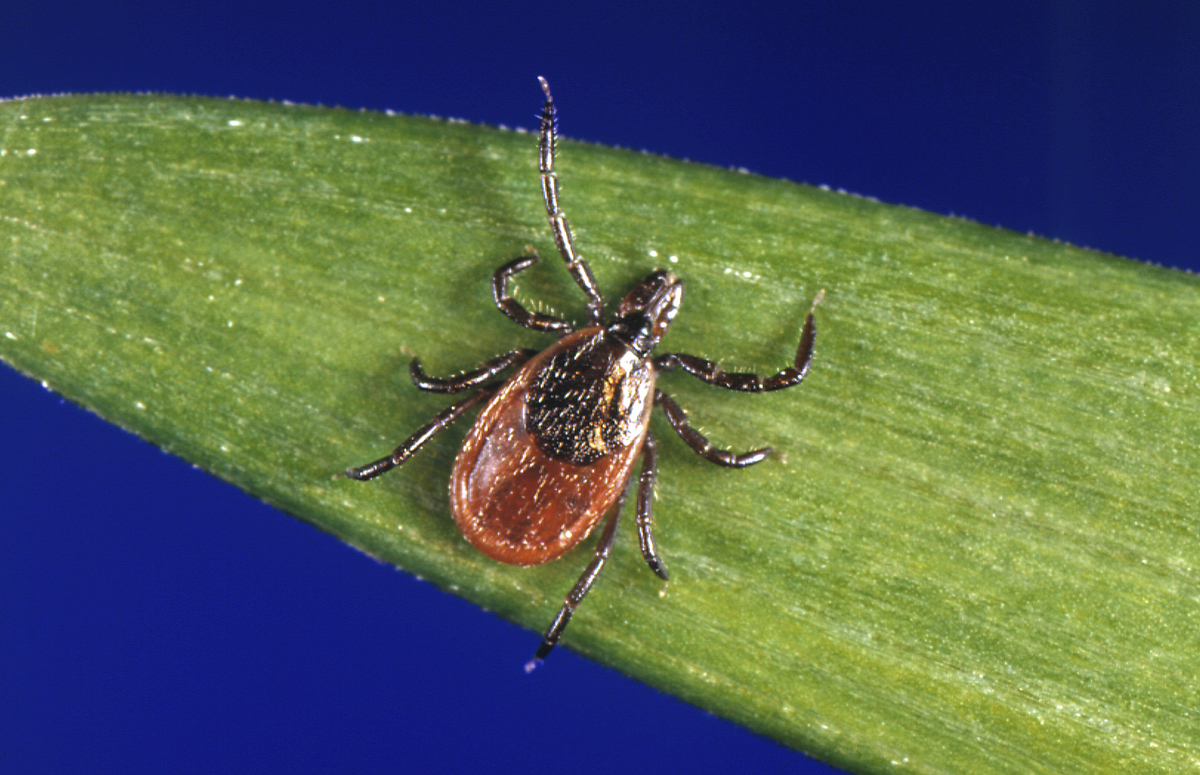
Reports of tick-borne diseases in Maine have reached alarming new heights in 2025, as cases of Lyme disease, anaplasmosis, and babesiosis all exceeded previous records. According to state data, the number of reported Lyme disease cases climbed to 3,611, a notable increase from 3,218 in 2024. Meanwhile, anaplasmosis cases rose to 1,598 up from 1,284, and reports of babesiosis reached 349, compared to 309 the year prior. These figures may still change as the year draws to a close.
The uptick in tick populations has contributed significantly to the rise in reported illnesses. Areas such as Hancock, Knox, Lincoln, and Waldo counties have seen the highest concentrations of Lyme disease cases. Notably, a report from researchers at the University of Maine indicated that the state’s midcoast region has emerged as a new epicenter for these diseases, with ticks expanding their range from southern counties.
While Lyme disease has long posed challenges for residents, the increasing prevalence of anaplasmosis and babesiosis has raised concerns among communities, particularly on Islesboro. In October, local residents and the island’s nurse practitioner noted a noticeable rise in these diseases, which can be more challenging to diagnose than Lyme disease, often characterized by its distinctive bulls-eye rash. This year marked Islesboro’s first confirmed case of babesiosis, reflecting a broader trend in Maine, where statewide reports of the disease have doubled since 2023.
The spread of tick-borne diseases can be attributed to several environmental factors. According to Griffin Dill, tick lab coordinator at the University of Maine, warmer and wetter winters have allowed ticks to survive and reproduce more effectively. The milder coastal winters create habitats that support wildlife, which serves as hosts for ticks. Additionally, the dense deer populations and the time people spend outdoors contribute to the spread of these diseases.
The implications of this surge in tick-borne illnesses are serious, as these diseases can lead to chronic health issues for some individuals. Maine has seen several fatalities attributed to tick-borne diseases in recent years, underlining the urgent need for public awareness and preventive measures. Residents are encouraged to be vigilant when spending time outdoors and to seek medical attention if they experience symptoms associated with these diseases.
The ongoing increase in tick-borne diseases in Maine highlights the importance of research and community awareness in managing health risks associated with ticks. As scientists continue to study the factors driving this trend, it remains crucial for residents to stay informed and take precautions to protect themselves from tick bites.

Urgent Tax Savings Alert: Maximize Deductions Before April 15

Trump’s Administration Faces Uncertainty Over Government Shutdowns

Cosmic Defects: The Mystery of the Universe’s Missing Anomalies

Rapid City Parks Department Opens Registration for Bocce Leagues

Samsung Galaxy Watch 9 to Feature Larger 435mAh Battery Soon

Two Dead After Student Boats Capsize Off Okinawa Coast

Healthy Choice Wellness Reports Earnings with Mixed Results

Prince Harry Positions Himself as Royal Family’s Image Reviver

All Points North Lodge Achieves FSPHP-ETA Accreditation

Send Holiday Parcels for £1.99 with New Comparison Service

University of Hawaiʻi Leads $25M AI Project to Monitor Natural Disasters

Maui County Reopens Upgraded Lānaʻi Fifth Street Courts Today!

Daily Codeword Puzzle Launches on October 21, 2025

Congresswoman Under Fire for Misleading Epstein Donation Claims

Interstellar Object 3I/ATLAS Emits Unique Metal Alloy, Says Scientist

Trump Vows to Resolve Afghanistan-Pakistan Crisis “Very Quickly”

Charles Darwin’s Address Book Reveals Hidden Aspects of His Life

Rediscovering Chrysler: 5 Overlooked Models from the 1980s
-
 Lifestyle8 months ago
Send Holiday Parcels for £1.99 with New Comparison Service
-
Science9 months ago
University of Hawaiʻi Leads $25M AI Project to Monitor Natural Disasters
-
 Top Stories8 months ago
Maui County Reopens Upgraded Lānaʻi Fifth Street Courts Today!
-
 Entertainment10 months ago
Daily Codeword Puzzle Launches on October 21, 2025
-
 Lifestyle9 months ago
Congresswoman Under Fire for Misleading Epstein Donation Claims
-
 Science10 months ago
Interstellar Object 3I/ATLAS Emits Unique Metal Alloy, Says Scientist
-
 Top Stories9 months ago
Trump Vows to Resolve Afghanistan-Pakistan Crisis “Very Quickly”
-
 Science9 months ago
Charles Darwin’s Address Book Reveals Hidden Aspects of His Life
-
 Lifestyle8 months ago
Rediscovering Chrysler: 5 Overlooked Models from the 1980s
-

 Science7 months ago
Understanding Generation Z: Strategies for Engaging the Workforce
-

 Entertainment10 months ago
Kelly McCreary Discusses Future of Maggie and Winston in Grey’s Anatomy
-

 Top Stories8 months ago
aespa Faces Backlash Over G-Dragon Interaction at 2025 MAMAs