
Health
Maine’s Vaccine Success Story: A Call to Protect Children’s Health

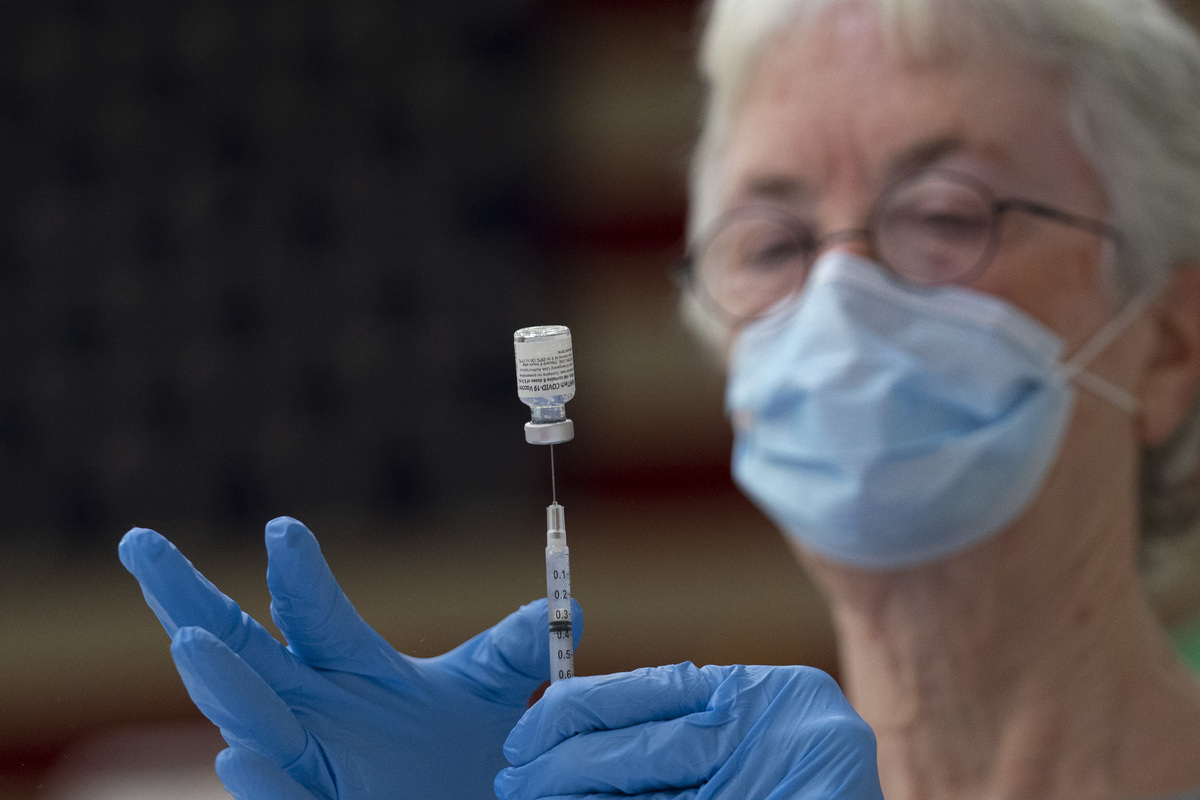
As national leaders reassess vaccine policies, the importance of vaccination for children’s health has come to the forefront. In a recent opinion piece, **Kerry Ann McKim**, a mother and former healthcare worker based in eastern Maine, emphasizes the need to uphold the proven benefits of childhood vaccinations. This discussion arises amid renewed scrutiny regarding vaccines, including COVID-19 boosters and routine immunizations for children.
The ongoing debates about vaccine safety, access, and public trust have intensified, particularly in light of the frustrations stemming from government mandates during the COVID-19 pandemic. Many parents are now grappling with where to find reliable information. McKim asserts that Maine families have seen, firsthand, how vaccines have drastically reduced the incidence of diseases like polio and measles, transforming chickenpox from a common childhood experience into a rare occurrence.
More than **97%** of school-age children in Maine are fully vaccinated, marking the highest rate ever achieved in the state. This success can be attributed to the collaboration between parents and pediatricians who prioritize health and community safety. Each vaccine in the childhood immunization schedule undergoes rigorous testing and continuous monitoring by the **Food and Drug Administration (FDA)**, establishing vaccines as among the safest medical interventions available.
Vaccination Rates and Community Health
Vaccination has significantly impacted public health. Since the introduction of the chickenpox vaccine, cases have decreased by **97%**. The **measles, mumps, and rubella (MMR)** vaccine has led to a more than **99%** drop in measles cases nationwide. Additionally, the vaccination against respiratory syncytial virus (RSV) is vital, as this virus hospitalizes **58,000 to 80,000** children under five in the United States each year.
Maine is also at the forefront of ongoing vaccine research. At the **University of Maine**, students are exploring a potential universal vaccine for flu viruses. Meanwhile, the **MaineHealth Institute for Research** is advancing a trial for a Lyme disease vaccine, an effort supported by local stakeholders such as **Senator Susan Collins**. These initiatives highlight that vaccines will continue to play a crucial role in public health moving forward.
Despite these successes, McKim warns that complacency could lead to setbacks. A few years ago, vaccination rates in certain Maine counties fell below levels necessary for community immunity. This decline allowed outbreaks of diseases like measles, which resurfaced in **Farmington** for the first time in **20 years** in **2017**, and chickenpox spread in Westbrook daycare facilities. The resurgence of these illnesses resulted in missed school days, overwhelmed hospitals, and serious health consequences.
The Need for Clear Communication
The current climate demands clarity in communication regarding vaccines. It is essential to acknowledge frustrations related to COVID-19 policies without undermining confidence in established childhood vaccinations. Vaccine skepticism poses a significant threat to the progress made over the years by parents, healthcare professionals, and policymakers alike.
McKim expresses support for **Senator Collins**, who has consistently advocated for vaccine research and uptake, even opposing the Biden administration’s COVID-19 vaccine mandate for healthcare workers. Collins has voiced her disapproval of recent actions by **Secretary of Health and Human Services Robert Kennedy**, who attempted to remove independent advisory committee members involved in vaccine recommendations. Amid rising misinformation and federal budget reductions, Collins’s stance is increasingly vital.
Maine has emerged as a model for safeguarding children’s health through robust vaccination rates. Maintaining this status requires collective commitment to routine vaccinations. As McKim argues, the progress achieved in public health should not be jeopardized by the uncertainties surrounding newer vaccine policies.
In conclusion, as discussions on vaccine strategies continue, it is crucial for communities to rally behind the vaccination efforts that have proven to protect children’s health. The future of public health hinges on the commitment to uphold and promote routine vaccinations—an investment in the well-being of generations to come.

Urgent Tax Savings Alert: Maximize Deductions Before April 15

Trump’s Administration Faces Uncertainty Over Government Shutdowns

Cosmic Defects: The Mystery of the Universe’s Missing Anomalies

Rapid City Parks Department Opens Registration for Bocce Leagues

Samsung Galaxy Watch 9 to Feature Larger 435mAh Battery Soon

Two Dead After Student Boats Capsize Off Okinawa Coast

Healthy Choice Wellness Reports Earnings with Mixed Results

Prince Harry Positions Himself as Royal Family’s Image Reviver

All Points North Lodge Achieves FSPHP-ETA Accreditation

Send Holiday Parcels for £1.99 with New Comparison Service

University of Hawaiʻi Leads $25M AI Project to Monitor Natural Disasters

Maui County Reopens Upgraded Lānaʻi Fifth Street Courts Today!

Daily Codeword Puzzle Launches on October 21, 2025

Congresswoman Under Fire for Misleading Epstein Donation Claims

Interstellar Object 3I/ATLAS Emits Unique Metal Alloy, Says Scientist

Trump Vows to Resolve Afghanistan-Pakistan Crisis “Very Quickly”

Charles Darwin’s Address Book Reveals Hidden Aspects of His Life

Rediscovering Chrysler: 5 Overlooked Models from the 1980s
-
 Lifestyle8 months ago
Send Holiday Parcels for £1.99 with New Comparison Service
-
Science9 months ago
University of Hawaiʻi Leads $25M AI Project to Monitor Natural Disasters
-
 Top Stories8 months ago
Maui County Reopens Upgraded Lānaʻi Fifth Street Courts Today!
-
 Entertainment10 months ago
Daily Codeword Puzzle Launches on October 21, 2025
-
 Lifestyle9 months ago
Congresswoman Under Fire for Misleading Epstein Donation Claims
-
 Science10 months ago
Interstellar Object 3I/ATLAS Emits Unique Metal Alloy, Says Scientist
-
 Top Stories9 months ago
Trump Vows to Resolve Afghanistan-Pakistan Crisis “Very Quickly”
-
 Science9 months ago
Charles Darwin’s Address Book Reveals Hidden Aspects of His Life
-
 Lifestyle8 months ago
Rediscovering Chrysler: 5 Overlooked Models from the 1980s
-
 Science7 months ago
Understanding Generation Z: Strategies for Engaging the Workforce
-

 Entertainment10 months ago
Kelly McCreary Discusses Future of Maggie and Winston in Grey’s Anatomy
-

 Top Stories8 months ago
aespa Faces Backlash Over G-Dragon Interaction at 2025 MAMAs