
Health
Measles Outbreak Sparks Call for Federal Economic Support

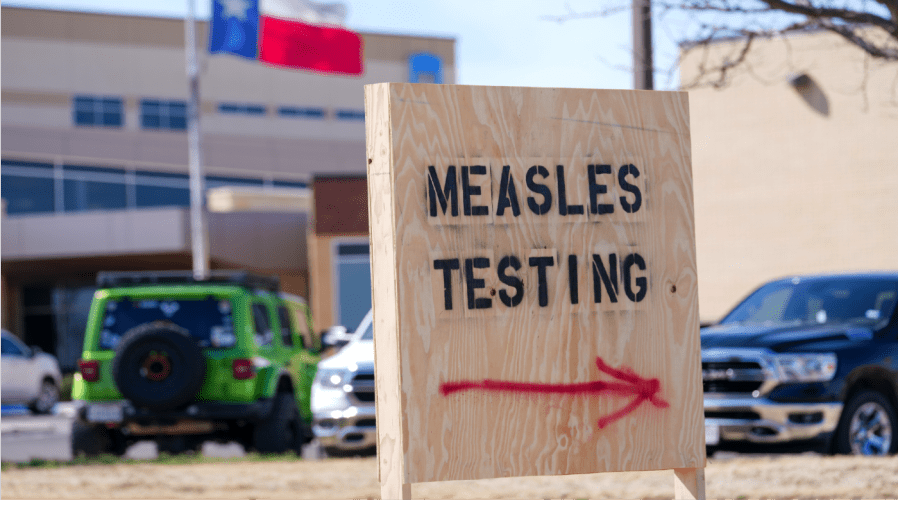
A growing concern over measles outbreaks in the United States has prompted discussions regarding the need for federal economic support to address the rising costs associated with the disease. Recent data indicates a surge in measles cases, with the Centers for Disease Control and Prevention (CDC) reporting significant increases in infections in several states.
As health authorities strive to contain the outbreaks, the implications for public health funding have become a focal point. Advocacy groups argue that financial assistance should extend to cover the costs associated with vaccination campaigns and public health initiatives aimed at curbing the spread of measles.
Current Measles Situation in the U.S.
According to the CDC, there have been over 500 confirmed cases of measles in the United States in 2023, marking a drastic rise compared to previous years. The increase is attributed to declining vaccination rates in certain communities, leading to concerns about herd immunity. The National Vaccine Advisory Committee has emphasized the importance of achieving high vaccination coverage to prevent outbreaks.
With the economic burden of measles treatment and the costs related to vaccination campaigns mounting, health experts are calling for federal intervention. They argue that a comprehensive economic support plan could alleviate the financial strains on states grappling with the outbreaks.
Economic Implications of Measles Outbreaks
The financial impact of measles extends beyond immediate healthcare costs. Communities facing outbreaks often incur expenses related to public health campaigns, including outreach programs to encourage vaccinations and educational initiatives aimed at raising awareness about the disease.
Federal support could provide essential funding to local health departments, allowing them to implement effective strategies to combat the spread of measles. This financial backing would not only help address the current crisis but also bolster long-term vaccination efforts to prevent future outbreaks.
In discussions surrounding public health funding, it is essential to consider the broader implications of measles outbreaks. The economic costs associated with treating infected individuals, along with the potential for lost productivity due to illness, necessitate a coordinated response that includes both healthcare and economic support.
As the situation develops, health officials and policymakers will need to work together to ensure that adequate resources are allocated for vaccination efforts and public health initiatives. The hope is that with increased funding and awareness, the incidence of measles can be significantly reduced, safeguarding the health of communities across the United States.
The call for federal assistance highlights the interconnectedness of public health and economic stability. Addressing the challenges posed by measles requires a comprehensive approach that prioritizes both immediate health concerns and the long-term wellbeing of the population.

Urgent Tax Savings Alert: Maximize Deductions Before April 15

Trump’s Administration Faces Uncertainty Over Government Shutdowns

Cosmic Defects: The Mystery of the Universe’s Missing Anomalies

Rapid City Parks Department Opens Registration for Bocce Leagues

Samsung Galaxy Watch 9 to Feature Larger 435mAh Battery Soon

Two Dead After Student Boats Capsize Off Okinawa Coast

Healthy Choice Wellness Reports Earnings with Mixed Results

Prince Harry Positions Himself as Royal Family’s Image Reviver

All Points North Lodge Achieves FSPHP-ETA Accreditation

Send Holiday Parcels for £1.99 with New Comparison Service

University of Hawaiʻi Leads $25M AI Project to Monitor Natural Disasters

Maui County Reopens Upgraded Lānaʻi Fifth Street Courts Today!

Interstellar Object 3I/ATLAS Emits Unique Metal Alloy, Says Scientist

Kelly McCreary Discusses Future of Maggie and Winston in Grey’s Anatomy

Daily Codeword Puzzle Launches on October 21, 2025

Congresswoman Under Fire for Misleading Epstein Donation Claims

Trump Vows to Resolve Afghanistan-Pakistan Crisis “Very Quickly”

Researchers Achieve Fastest Genome Sequencing in Under Four Hours
-
 Lifestyle4 months ago
Send Holiday Parcels for £1.99 with New Comparison Service
-
Science5 months ago
University of Hawaiʻi Leads $25M AI Project to Monitor Natural Disasters
-
 Top Stories4 months ago
Maui County Reopens Upgraded Lānaʻi Fifth Street Courts Today!
-
 Science6 months ago
Interstellar Object 3I/ATLAS Emits Unique Metal Alloy, Says Scientist
-
 Entertainment6 months ago
Kelly McCreary Discusses Future of Maggie and Winston in Grey’s Anatomy
-
 Entertainment6 months ago
Daily Codeword Puzzle Launches on October 21, 2025
-
 Lifestyle5 months ago
Congresswoman Under Fire for Misleading Epstein Donation Claims
-
 Top Stories5 months ago
Trump Vows to Resolve Afghanistan-Pakistan Crisis “Very Quickly”
-
 Science6 months ago
Researchers Achieve Fastest Genome Sequencing in Under Four Hours
-

 Business6 months ago
Iconic Sand Dollar Social Club Listed for $3 Million in Folly Beach
-

 Science4 months ago
Charles Darwin’s Address Book Reveals Hidden Aspects of His Life
-

 Politics6 months ago
Afghan Refugee Detained by ICE After Asylum Hearing in New York