
Health
Medicare Cuts Prices on 15 Popular Drugs, Including Ozempic

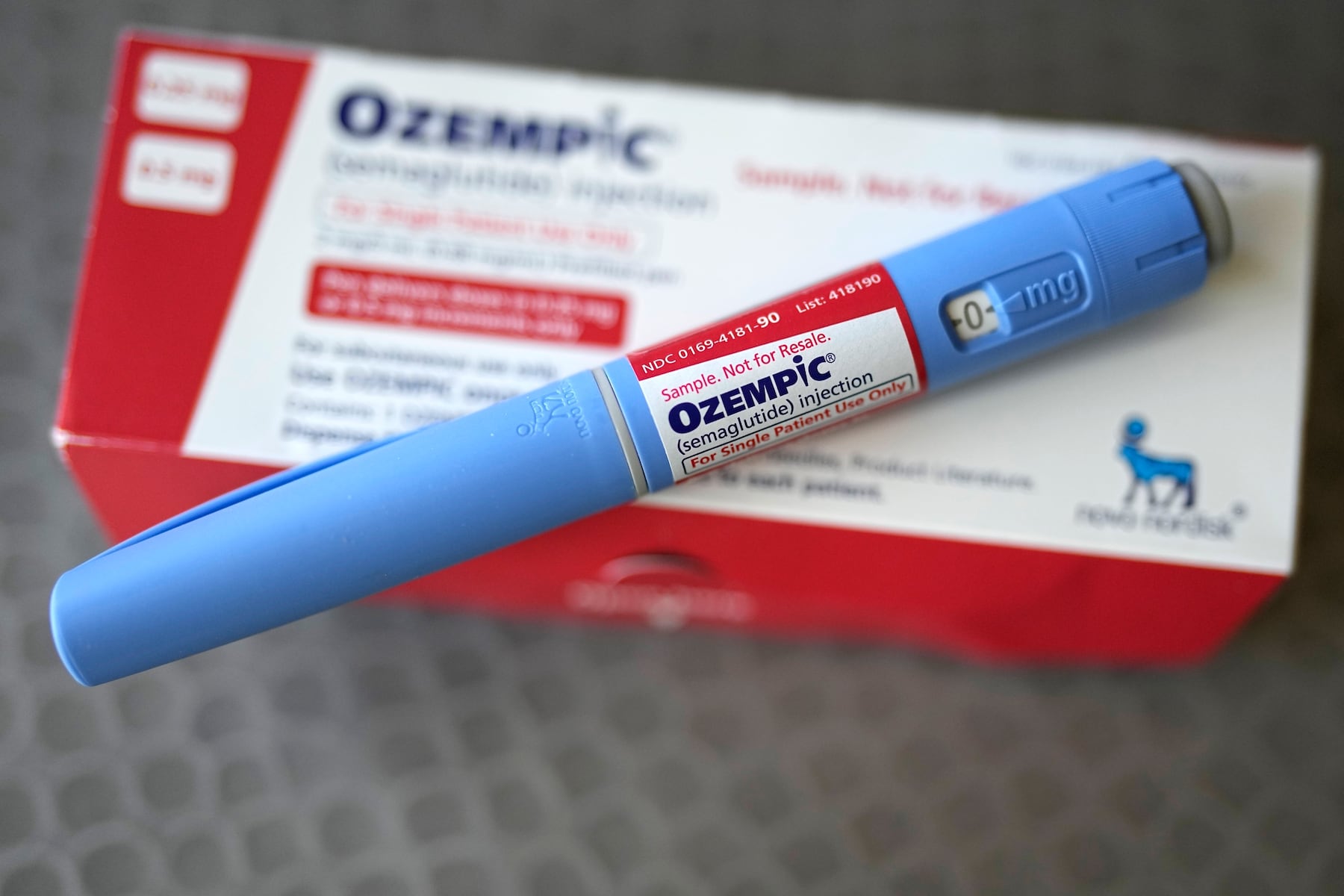
Pharmaceutical companies have reached an agreement to lower Medicare prices for 15 widely used prescription drugs, a move anticipated to save billions for taxpayers and senior citizens. This announcement follows months of negotiations and is part of a broader initiative aimed at making healthcare more affordable. The reductions include significant medications such as Ozempic and Wegovy, which are used for diabetes management and weight loss.
Health Secretary Robert F. Kennedy Jr. emphasized the administration’s commitment to improving affordability for Americans. “President Trump directed us to stop at nothing to lower health care costs for the American people,” Kennedy stated. The new pricing structure is set to take effect in 2027, bringing the total number of negotiated drugs under this program to 25.
Details of the Negotiation Outcomes
This initiative is a result of the Medicare drug negotiation program, which is mandated by law and originated during the administration of President Joe Biden. The latest round of negotiations targets medications that represent substantial costs for Medicare, including popular GLP-1 drugs. Alongside Ozempic and Wegovy, the list includes Rybelsus, Trelegy Ellipta for asthma, and Otezla for psoriatic arthritis, among others.
The previous year’s negotiations conducted under the Biden administration are projected to save approximately $6 billion in net prescription costs for Medicare beneficiaries. Conversely, the Trump administration estimates that the latest reductions could lead to a savings of about $8.5 billion if implemented last year. It remains uncertain how these price reductions will directly impact out-of-pocket costs for individuals, as final prices will vary based on insurance plans and annual spending limits.
Broader Implications and Future Negotiations
The new pricing strategy aligns with a recently implemented rule that caps out-of-pocket expenses for Medicare beneficiaries at $2,000, providing some financial relief for seniors burdened by high drug costs. Current estimates indicate that approximately $685 million in out-of-pocket savings could benefit Medicare recipients.
According to Spencer Perlman, director of health care research at Veda Partners, the improved negotiation outcomes likely stem from the selection of drugs and experience gained from prior negotiations. He noted that while net drug prices remain proprietary, the reported concessions could signify effective functioning of the Medicare Drug Price Negotiation Program.
Despite these advancements, concerns linger regarding Medicare’s coverage of weight-loss treatments, which it has historically prohibited. However, a recent agreement between the Trump administration and two pharmaceutical companies hints at future pilot programs to expand coverage for obesity treatment among high-risk patients.
The Pharmaceutical Research and Manufacturers of America (PhRMA) has expressed opposition to the Medicare drug negotiations, emphasizing that government price setting could hinder medical innovation. Alex Schriver, senior vice president at PhRMA, remarked, “These flawed policies threaten future medical innovation by siphoning $300 billion from biopharmaceutical research.”
Looking ahead, Medicare plans to negotiate prices for another set of 15 drugs next year, marking a significant step towards reshaping prescription drug affordability in the United States. As negotiations continue, stakeholders remain attentive to the implications for both patients and the pharmaceutical industry.

Urgent Tax Savings Alert: Maximize Deductions Before April 15

Trump’s Administration Faces Uncertainty Over Government Shutdowns

Cosmic Defects: The Mystery of the Universe’s Missing Anomalies

Rapid City Parks Department Opens Registration for Bocce Leagues

Samsung Galaxy Watch 9 to Feature Larger 435mAh Battery Soon

Two Dead After Student Boats Capsize Off Okinawa Coast

Healthy Choice Wellness Reports Earnings with Mixed Results

Prince Harry Positions Himself as Royal Family’s Image Reviver

All Points North Lodge Achieves FSPHP-ETA Accreditation

Send Holiday Parcels for £1.99 with New Comparison Service

University of Hawaiʻi Leads $25M AI Project to Monitor Natural Disasters

Maui County Reopens Upgraded Lānaʻi Fifth Street Courts Today!

Daily Codeword Puzzle Launches on October 21, 2025

Congresswoman Under Fire for Misleading Epstein Donation Claims

Interstellar Object 3I/ATLAS Emits Unique Metal Alloy, Says Scientist

Trump Vows to Resolve Afghanistan-Pakistan Crisis “Very Quickly”

Charles Darwin’s Address Book Reveals Hidden Aspects of His Life

Rediscovering Chrysler: 5 Overlooked Models from the 1980s
-
 Lifestyle8 months ago
Send Holiday Parcels for £1.99 with New Comparison Service
-
Science9 months ago
University of Hawaiʻi Leads $25M AI Project to Monitor Natural Disasters
-
 Top Stories8 months ago
Maui County Reopens Upgraded Lānaʻi Fifth Street Courts Today!
-
 Entertainment10 months ago
Daily Codeword Puzzle Launches on October 21, 2025
-
 Lifestyle9 months ago
Congresswoman Under Fire for Misleading Epstein Donation Claims
-
 Science10 months ago
Interstellar Object 3I/ATLAS Emits Unique Metal Alloy, Says Scientist
-
 Top Stories9 months ago
Trump Vows to Resolve Afghanistan-Pakistan Crisis “Very Quickly”
-
 Science9 months ago
Charles Darwin’s Address Book Reveals Hidden Aspects of His Life
-
 Lifestyle8 months ago
Rediscovering Chrysler: 5 Overlooked Models from the 1980s
-

 Science7 months ago
Understanding Generation Z: Strategies for Engaging the Workforce
-

 Entertainment10 months ago
Kelly McCreary Discusses Future of Maggie and Winston in Grey’s Anatomy
-

 Top Stories8 months ago
aespa Faces Backlash Over G-Dragon Interaction at 2025 MAMAs