
Health
Navigating Medical Acronyms: Essential Terms for Families

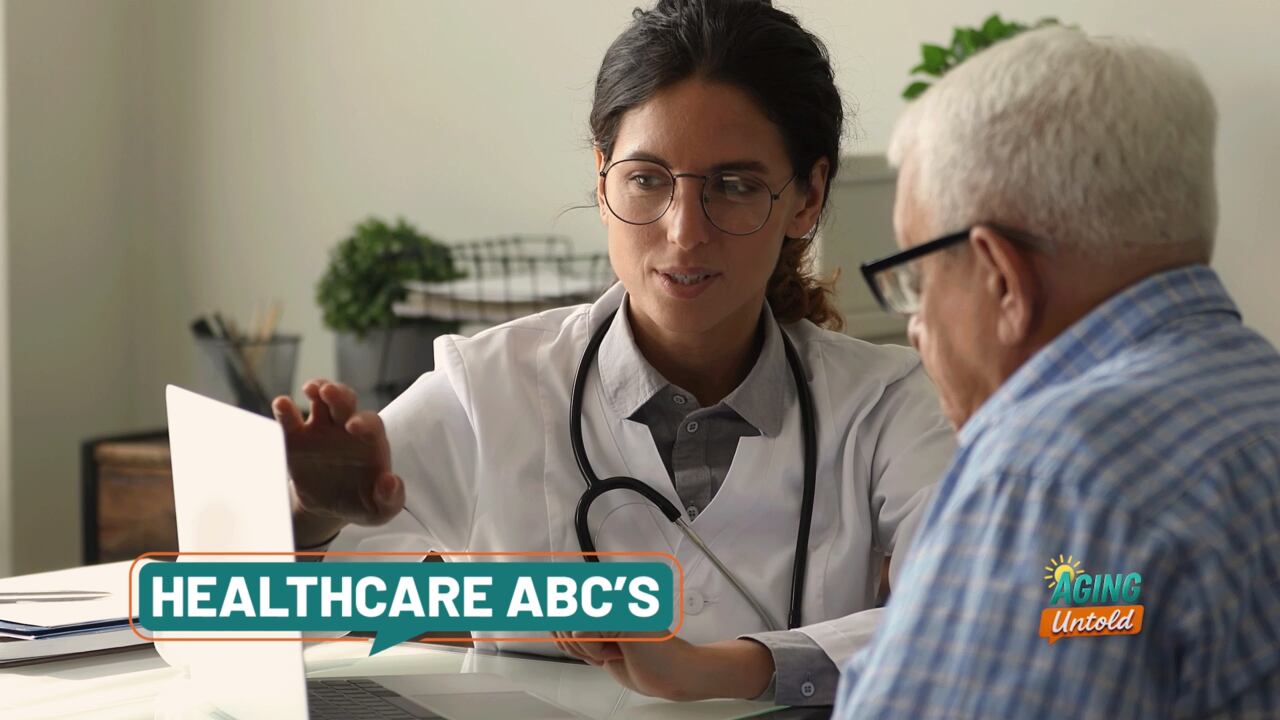
Patients and their families often find themselves bewildered by medical jargon, particularly acronyms that are common in health care settings. Terms such as PPO, HMO, ADL, and UTI can surface unexpectedly during critical moments, such as hospital admissions or transitions to new care facilities. According to aging expert and co-host of Aging Untold, Amy O’Rourke, understanding these acronyms is essential, as they significantly impact the care and lives of individuals.
Understanding Key Medical Terms
One of the most important acronyms is ADL, which stands for Activities of Daily Living. This term encompasses fundamental tasks such as bathing, dressing, and feeding, and is crucial in evaluating a person’s independence. Health care providers assess a patient’s ability to perform these activities to determine their level of care needed. Sam Cradduck, a gerontologist and co-host of Aging Untold, emphasizes that seniors should be particularly aware of this term since it often influences their eligibility for various care services.
Another term families frequently encounter is SNF, or Skilled Nursing Facility. Patients might hear they will be discharged to an SNF without fully grasping what that entails. Katherine Ambrose, an aging well coach, highlights the importance of using empowering language when discussing care options. She prefers to refer to these places as “communities” rather than “facilities,” which can carry negative connotations.
In addition, UTI, which stands for Urinary Tract Infection, is another common acronym that may not be immediately recognizable to patients. Understanding these terms can aid families in navigating the complexities of health care.
Advice for Patients and Families
To bridge the communication gap, Dr. Rhea Rogers, a board-certified physician, advises health care providers to always state the full term before introducing its acronym. Families should feel empowered to ask for clarifications whenever they encounter unfamiliar terms. When entering a new care environment, such as a hospital or nursing home, it is beneficial to request a list of acronyms used within the facility. O’Rourke recommends taking notes to ensure everyone understands the terminology being used.
The health care system employs many acronyms and terms across various settings, including medical care, long-term care, hospice, and clinical care. As families engage with the health care system, a proactive approach to learning these terms can alleviate confusion and enhance understanding of the care process.
For further information on commonly used medical acronyms, resources are available through health organizations and educational platforms. Understanding these terms can make a critical difference in the experience of patients and their families during challenging times.

Urgent Tax Savings Alert: Maximize Deductions Before April 15

Trump’s Administration Faces Uncertainty Over Government Shutdowns

Cosmic Defects: The Mystery of the Universe’s Missing Anomalies

Rapid City Parks Department Opens Registration for Bocce Leagues

Samsung Galaxy Watch 9 to Feature Larger 435mAh Battery Soon

Two Dead After Student Boats Capsize Off Okinawa Coast

Healthy Choice Wellness Reports Earnings with Mixed Results

Prince Harry Positions Himself as Royal Family’s Image Reviver

All Points North Lodge Achieves FSPHP-ETA Accreditation

Send Holiday Parcels for £1.99 with New Comparison Service

University of Hawaiʻi Leads $25M AI Project to Monitor Natural Disasters

Maui County Reopens Upgraded Lānaʻi Fifth Street Courts Today!

Interstellar Object 3I/ATLAS Emits Unique Metal Alloy, Says Scientist

Kelly McCreary Discusses Future of Maggie and Winston in Grey’s Anatomy

Daily Codeword Puzzle Launches on October 21, 2025

Congresswoman Under Fire for Misleading Epstein Donation Claims

Trump Vows to Resolve Afghanistan-Pakistan Crisis “Very Quickly”

Researchers Achieve Fastest Genome Sequencing in Under Four Hours
-
 Lifestyle4 months ago
Send Holiday Parcels for £1.99 with New Comparison Service
-
Science5 months ago
University of Hawaiʻi Leads $25M AI Project to Monitor Natural Disasters
-
 Top Stories4 months ago
Maui County Reopens Upgraded Lānaʻi Fifth Street Courts Today!
-
 Science6 months ago
Interstellar Object 3I/ATLAS Emits Unique Metal Alloy, Says Scientist
-
 Entertainment6 months ago
Kelly McCreary Discusses Future of Maggie and Winston in Grey’s Anatomy
-
 Entertainment6 months ago
Daily Codeword Puzzle Launches on October 21, 2025
-
 Lifestyle5 months ago
Congresswoman Under Fire for Misleading Epstein Donation Claims
-
 Top Stories5 months ago
Trump Vows to Resolve Afghanistan-Pakistan Crisis “Very Quickly”
-
 Science6 months ago
Researchers Achieve Fastest Genome Sequencing in Under Four Hours
-

 Business6 months ago
Iconic Sand Dollar Social Club Listed for $3 Million in Folly Beach
-

 Science4 months ago
Charles Darwin’s Address Book Reveals Hidden Aspects of His Life
-

 Politics6 months ago
Afghan Refugee Detained by ICE After Asylum Hearing in New York