
Health
North Dakota Faces Vaccine Controversy Amid Hepatitis B Debate

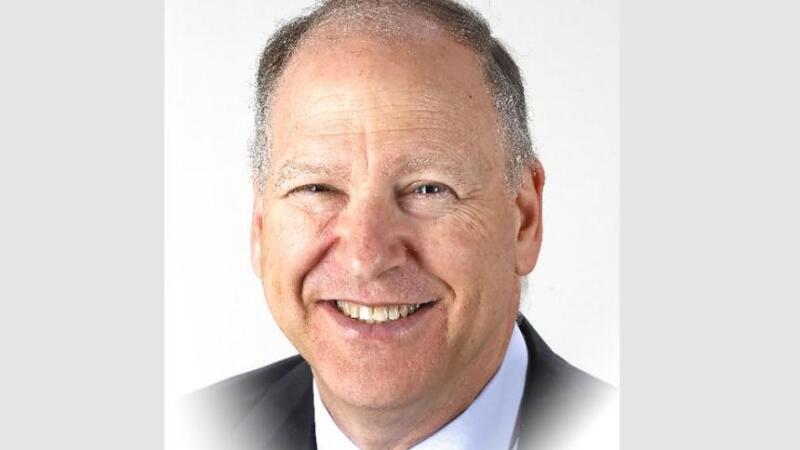
Concerns are growing in North Dakota following a controversial decision to end the recommendation for hepatitis B vaccinations for newborns. This shift, driven by Health Secretary Robert F. Kennedy Jr., has raised alarms among health professionals who fear it may reverse decades of progress in immunization and public health.
Vaccination Success and Recent Changes
For years, the U.S. government has advocated for the vaccination of newborns against hepatitis B due to the illness’s potential to cause serious health issues, including permanent liver damage and even death. The vaccine has been widely recognized for its efficacy. Dr. Stephen McDonough, a former pediatrician and public health officer in North Dakota, noted a dramatic decline in hepatitis B cases since the vaccine’s introduction. “There were 16,000 hepatitis B cases in the 1980s. Now, we’re down to 10 or 20,” he said, emphasizing the vaccine’s success in the state.
North Dakota was among the first states to implement the hepatitis B vaccination program, starting in 1992. In recent years, the state has reported no cases of hepatitis B. Furthermore, McDonough recalls that during the early 1990s, North Dakota achieved a remarkable milestone by being the only state without measles cases amid a national outbreak. “We were the healthiest state in the nation in 1990,” he stated, highlighting the importance of vaccinations in safeguarding public health.
Reactions to the Decision
In a significant policy change, Kennedy Jr. dismissed 17 expert advisors from a vaccine advisory panel and replaced them with individuals who subsequently voted to eliminate the hepatitis B vaccination recommendation for newborns. McDonough expressed deep concern about the implications of this decision. “It’s a terrible decision. Hopefully, it will be ignored by doctors, parents, and insurance companies,” he stated, criticizing the new advisory group’s qualifications. “We know from experience that babies got sick and died from hepatitis B.”
The fear among health professionals extends beyond hepatitis B. McDonough warned that this decision might signal a broader trend of undermining proven vaccines, potentially leading to increased illness and mortality rates. He reflected on the past, recalling the devastating consequences of diseases that were once preventable. “Before we had vaccines, I saw children die from meningitis and whooping cough. Vaccines have been a wonderful success story. They save lives,” he affirmed.
Recent trends in North Dakota reflect growing vaccine skepticism, with immunization rates declining. The state has shifted from being a national leader in measles immunization in the 1990s to having the highest rate of measles cases in the nation in 2025. “It’s very sad to see illnesses that disappeared start to come back, especially when they’re preventable,” McDonough said, stressing the importance of maintaining high vaccination rates to protect public health.
The decision has sparked a broader conversation about the role of science in public health policy. McDonough voiced his frustration over the anti-science sentiment that appears to be gaining traction. “I have a real problem with powerful people doing a disservice to the country and North Dakota children,” he concluded, highlighting the urgent need for communities to remain vigilant in their support for vaccinations.
The ongoing debate in North Dakota serves as a crucial reminder of the importance of informed public health decisions and the need for continued advocacy for vaccines to ensure the well-being of future generations.

Packers QB Jordan Love Exits After Head Hit; Concussion Evaluated

First Wheelchair User in Space Captures Global Attention Today

ABC7 Chicago Launches ‘Chicago Proud’ Series Showcasing Local Heroes

Duke vs. Texas Tech: No. 3 Blue Devils Clash at MSG NOW

Oscar Smith’s Johnson Named Offensive Player of the Year

Discover the Top 10 K-Romances of 2025 That Captivated Audiences

Ancient Plague’s Origins Revealed Through Sheep DNA Discovery

Transform Your Home: 9 Tips to Upgrade Style on a Budget

Republicans Clash Over Affordable Care Act Funding Revival

Send Holiday Parcels for £1.99 with New Comparison Service

University of Hawaiʻi Leads $25M AI Project to Monitor Natural Disasters

Interstellar Object 3I/ATLAS Emits Unique Metal Alloy, Says Scientist

Researchers Achieve Fastest Genome Sequencing in Under Four Hours

Iconic Sand Dollar Social Club Listed for $3 Million in Folly Beach

Afghan Refugee Detained by ICE After Asylum Hearing in New York

McEwen Inc. Secures Tartan Lake Gold Mine Through Acquisition

Peptilogics Secures $78 Million to Combat Prosthetic Joint Infections

Jump for Good: San Clemente Pier Fundraiser Allows Legal Leaps
-
 Lifestyle2 weeks ago
Send Holiday Parcels for £1.99 with New Comparison Service
-
Science2 months ago
University of Hawaiʻi Leads $25M AI Project to Monitor Natural Disasters
-
 Science2 months ago
Interstellar Object 3I/ATLAS Emits Unique Metal Alloy, Says Scientist
-
 Science2 months ago
Researchers Achieve Fastest Genome Sequencing in Under Four Hours
-
 Business2 months ago
Iconic Sand Dollar Social Club Listed for $3 Million in Folly Beach
-
 Politics2 months ago
Afghan Refugee Detained by ICE After Asylum Hearing in New York
-
 Business2 months ago
McEwen Inc. Secures Tartan Lake Gold Mine Through Acquisition
-
 Health2 months ago
Peptilogics Secures $78 Million to Combat Prosthetic Joint Infections
-
 Lifestyle2 months ago
Jump for Good: San Clemente Pier Fundraiser Allows Legal Leaps
-

 Science2 months ago
Mars Observed: Detailed Imaging Reveals Dust Avalanche Dynamics
-

 Health2 months ago
Researcher Uncovers Zika Virus Pathway to Placenta Using Nanotubes
-

 Entertainment2 months ago
Jennifer Lopez Addresses A-Rod Split in Candid Interview