
Health
Patient Portals Must Evolve to Meet 2026 Consumer Demands

The effectiveness of patient portals is under scrutiny as recent findings reveal that many of these digital tools fail to meet the evolving expectations of healthcare consumers. According to research, 65 percent of patients find coordinating and managing their healthcare overwhelming, while 54 percent believe their health outcomes would improve with better navigation support. As the healthcare landscape transforms, organizations must adapt their patient portals to reflect the current needs and preferences of consumers.
Understanding Today’s Healthcare Landscape
Since the onset of the COVID-19 pandemic, the way patients interact with healthcare providers has shifted dramatically. The transition from in-person visits to more technology-dependent interactions has created a new dynamic that demands careful consideration. While telehealth and virtual appointments have become commonplace, the limitations of these systems have become apparent. Patients have grown accustomed to seamless digital experiences in other aspects of their lives and now expect the same from their healthcare providers.
Today’s patients assess their healthcare experiences through a consumer lens, similar to interactions with online services like streaming platforms or social media. They desire enhanced connectivity, accessibility, and information from their healthcare systems. Unfortunately, many standard patient portals are not equipped to meet these heightened expectations, often serving merely as repositories for basic information.
Bridging the Gap Between Technology and Patient Experience
Historically, healthcare providers have viewed portals as simple information hubs. However, modern patients seek a more engaging, personalized experience that fosters trust. They want access to a range of resources, including:
– Insights about their medical conditions
– Care management tips and plans
– Financial guidance and insurance eligibility
This information should not only be available to patients but also to their families and caregivers. Research indicates that adults spend an average of 8 hours per month coordinating care for themselves or loved ones. An improved digital experience could significantly alleviate this burden.
While some healthcare organizations have integrated digital tools into their operations, a lack of coordination often hampers their effectiveness. For instance, scheduling appointments remains a common challenge. Patients now expect a more efficient system that utilizes available data, such as physicians’ schedules and visit lengths, to streamline the process.
To truly enhance patient engagement, healthcare organizations should evaluate their digital capabilities and identify areas for improvement. Upgrading patient portals to provide a more connected and user-friendly experience is essential.
As healthcare organizations prepare for the future, they should focus on creating a seamless patient experience that incorporates:
– Integrated data sources in a single platform
– Proactive insights and health tips derived from predictive analytics
– Personalized digital interactions tailored to individual patient needs
Achieving this level of engagement will require organizations to adopt an outside-in perspective, examining how patients prefer to interact with digital systems. Additionally, removing fragmentation from the healthcare journey can empower patients and add value to their experiences.
Emerging technologies, such as generative AI tools, can facilitate the modernization of apps and portals by accelerating development and testing timelines. This advancement promises to enhance the patient experience sooner rather than later.
Ultimately, patients are no longer content to be passive participants in their healthcare journeys. They are increasingly choosing providers based on the ease of interaction and the availability of meaningful care information. A generic, one-size-fits-all patient portal is no longer sufficient.
Healthcare organizations must realign their digital strategies to meet the expectations of today’s informed healthcare consumers. By focusing on individualized experiences and improved communication, they can ensure patients receive the support and information they need throughout their healthcare journey.
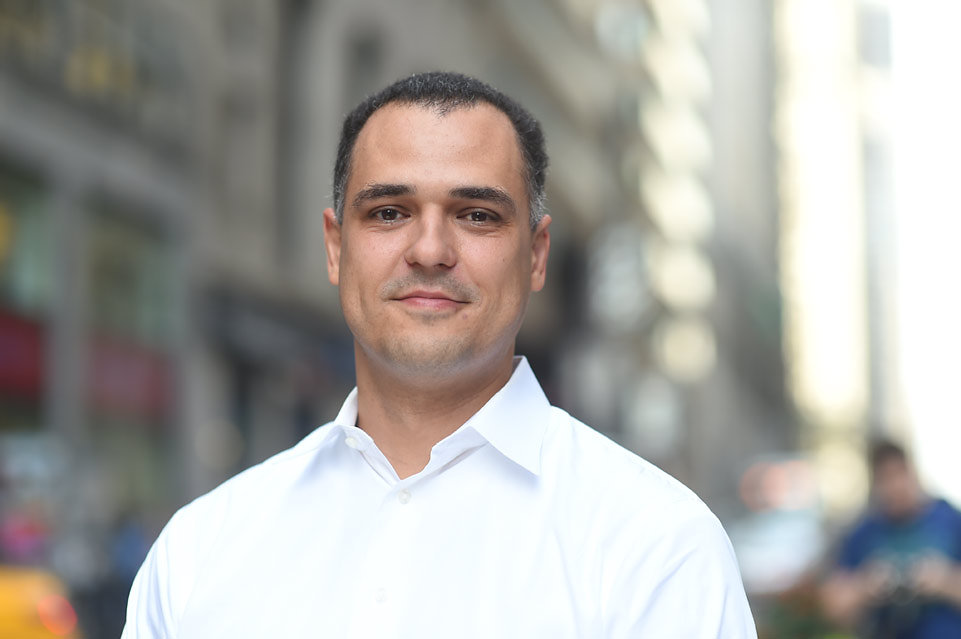
About the Author: Luiz Cieslak is a Senior Vice President at CI&T, a global digital specialist. The firm’s Life Sciences and Healthcare team collaborates with pharmaceutical companies, consumer healthcare firms, and medical device manufacturers to enhance experiences for patients and healthcare professionals.

Urgent Tax Savings Alert: Maximize Deductions Before April 15

Trump’s Administration Faces Uncertainty Over Government Shutdowns

Cosmic Defects: The Mystery of the Universe’s Missing Anomalies

Rapid City Parks Department Opens Registration for Bocce Leagues

Samsung Galaxy Watch 9 to Feature Larger 435mAh Battery Soon

Two Dead After Student Boats Capsize Off Okinawa Coast

Healthy Choice Wellness Reports Earnings with Mixed Results

Prince Harry Positions Himself as Royal Family’s Image Reviver

All Points North Lodge Achieves FSPHP-ETA Accreditation

Send Holiday Parcels for £1.99 with New Comparison Service

University of Hawaiʻi Leads $25M AI Project to Monitor Natural Disasters

Maui County Reopens Upgraded Lānaʻi Fifth Street Courts Today!

Daily Codeword Puzzle Launches on October 21, 2025

Congresswoman Under Fire for Misleading Epstein Donation Claims

Interstellar Object 3I/ATLAS Emits Unique Metal Alloy, Says Scientist

Trump Vows to Resolve Afghanistan-Pakistan Crisis “Very Quickly”

Charles Darwin’s Address Book Reveals Hidden Aspects of His Life

Rediscovering Chrysler: 5 Overlooked Models from the 1980s
-
 Lifestyle8 months ago
Send Holiday Parcels for £1.99 with New Comparison Service
-
Science9 months ago
University of Hawaiʻi Leads $25M AI Project to Monitor Natural Disasters
-
 Top Stories8 months ago
Maui County Reopens Upgraded Lānaʻi Fifth Street Courts Today!
-
 Entertainment10 months ago
Daily Codeword Puzzle Launches on October 21, 2025
-
 Lifestyle9 months ago
Congresswoman Under Fire for Misleading Epstein Donation Claims
-
 Science10 months ago
Interstellar Object 3I/ATLAS Emits Unique Metal Alloy, Says Scientist
-
 Top Stories9 months ago
Trump Vows to Resolve Afghanistan-Pakistan Crisis “Very Quickly”
-
 Science9 months ago
Charles Darwin’s Address Book Reveals Hidden Aspects of His Life
-
 Lifestyle8 months ago
Rediscovering Chrysler: 5 Overlooked Models from the 1980s
-

 Science7 months ago
Understanding Generation Z: Strategies for Engaging the Workforce
-

 Entertainment10 months ago
Kelly McCreary Discusses Future of Maggie and Winston in Grey’s Anatomy
-

 Top Stories8 months ago
aespa Faces Backlash Over G-Dragon Interaction at 2025 MAMAs