
Health
Recognize Stress in Pets: 5 Signs Your Animal May Need Help

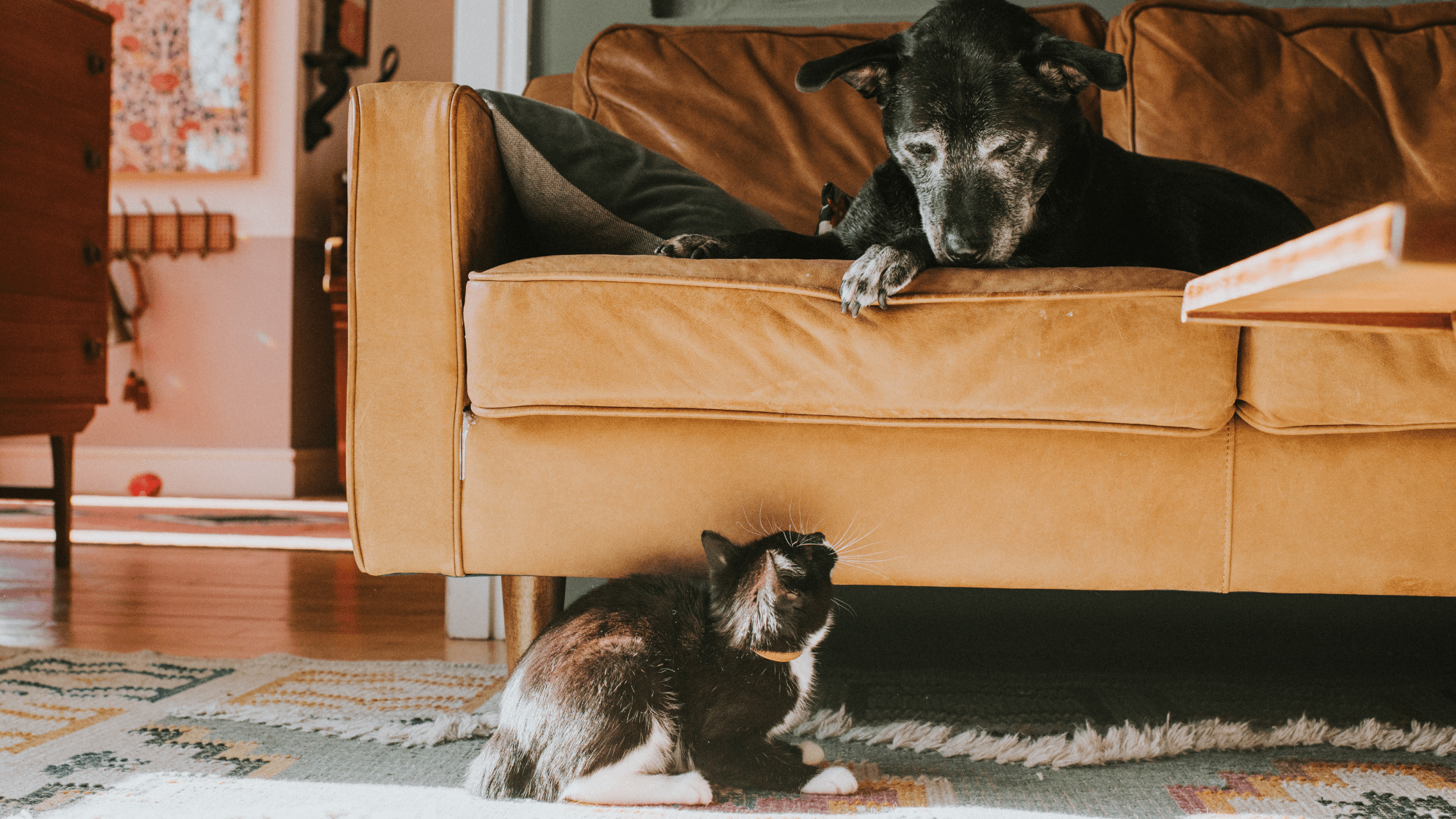
Pets experience stress differently than humans, often masking their feelings through subtle behaviors. Unlike people, animals cannot express their discomfort verbally, making it crucial for pet owners to recognize the signs that their beloved companions may be feeling overwhelmed. According to Professor Audra Jones from the Texas A&M College of Veterinary Medicine & Biomedical Sciences, stress in pets can manifest physically, affecting their hormones, digestion, immune response, and sleep well before apparent behavioral changes occur.
Understanding these stress signals is essential for fostering a healthy environment for pets. Here are five key indicators that your pet may be more stressed than you realize.
Body Language and Behavior
Animals communicate discomfort through body language. Specific signs can indicate that a pet is feeling anxious or uneasy. For instance, behaviors such as yawning when not tired, excessive lip licking, or sudden nose flicks can suggest that a pet is attempting to self-soothe. When these behaviors become repetitive, it indicates that the animal’s nervous system is under strain.
Another common signal is the instinct to take up less space. Pets may freeze, shake, lower their bodies, or tuck their tails in tight. These behaviors are instinctual responses to perceived threats, as animals naturally seek to minimize their visibility to avoid confrontation.
Changes in Appetite and Habitat Preferences
Sudden disinterest in food or treats is another critical sign of stress. Pets may refuse meals or show hesitation towards their favorite treats, often returning to normal eating habits only when they feel secure in their environment.
Different species exhibit stress in unique ways. For example, dogs may pant or exhibit jaw movement, while cats often seek refuge in small, enclosed spaces to cope with stress. Recognizing these species-specific behaviors is crucial for effective intervention.
In more severe cases, pets may experience accidents in the home due to overwhelming stress. Loss of bladder or bowel control can signal that a pet’s stress response has escalated beyond a manageable level.
Effective Strategies for Relief
Addressing pet stress does not have to be complicated. Staying calm and alleviating the source of stress is essential. Professor Jones emphasizes that large reactions or frantic soothing can exacerbate the situation. Instead, gradual exposure to stressors can be beneficial. For instance, scheduling “happy visits” to the veterinarian can help pets associate the experience with positive outcomes, such as treats and attention.
For cats, familiarizing them with travel carriers in advance and using synthetic pheromone sprays can create a sense of safety in their environment. These strategies can significantly reduce anxiety during situations that may otherwise be distressing.
In instances where stress becomes a chronic issue, veterinarians may recommend anti-anxiety medications tailored to individual pets. These medications can help make unavoidable stressors more manageable, allowing pets to navigate their environments with less fear.
Recognizing and addressing stress in pets is vital for their well-being. It is important to remember that stress does not indicate behavioral problems but rather highlights the need for better communication and understanding. By paying attention to the signs and taking proactive steps, pet owners can help their animals return to a calm and comfortable state of mind.

Marvel’s Wonder Man Redeems 2013’s Controversial Iron Man Twist

Researchers Unveil Method to Predict Glacier Surges and Ecosystem Changes

Seahawks Set to Unleash ‘X-Factors’ in Super Bowl Showdown

Navy Secretary John Phelan Listed on Epstein Flight Manifest

New Relief Payments Rumored for 2026, But Are They Coming?

Denver Housing Market Faces Historic Low Sales as Activity Surges

Discover the Sci-Fi Legacy of ‘Star Blazers’ That Redefined TV

RFK Jr. Claims Keto Diet Can ‘Cure’ Mental Illness: A Fact Check

Alabama Lawmakers Push Major Utility Reforms with New Bills

Send Holiday Parcels for £1.99 with New Comparison Service

University of Hawaiʻi Leads $25M AI Project to Monitor Natural Disasters

Interstellar Object 3I/ATLAS Emits Unique Metal Alloy, Says Scientist

Maui County Reopens Upgraded Lānaʻi Fifth Street Courts Today!

Kelly McCreary Discusses Future of Maggie and Winston in Grey’s Anatomy

Researchers Achieve Fastest Genome Sequencing in Under Four Hours

Iconic Sand Dollar Social Club Listed for $3 Million in Folly Beach

Afghan Refugee Detained by ICE After Asylum Hearing in New York

Peptilogics Secures $78 Million to Combat Prosthetic Joint Infections
-
 Lifestyle2 months ago
Send Holiday Parcels for £1.99 with New Comparison Service
-
Science3 months ago
University of Hawaiʻi Leads $25M AI Project to Monitor Natural Disasters
-
 Science4 months ago
Interstellar Object 3I/ATLAS Emits Unique Metal Alloy, Says Scientist
-
 Top Stories2 months ago
Maui County Reopens Upgraded Lānaʻi Fifth Street Courts Today!
-
 Entertainment4 months ago
Kelly McCreary Discusses Future of Maggie and Winston in Grey’s Anatomy
-
 Science4 months ago
Researchers Achieve Fastest Genome Sequencing in Under Four Hours
-
 Business4 months ago
Iconic Sand Dollar Social Club Listed for $3 Million in Folly Beach
-
 Politics4 months ago
Afghan Refugee Detained by ICE After Asylum Hearing in New York
-
 Health4 months ago
Peptilogics Secures $78 Million to Combat Prosthetic Joint Infections
-

 Business4 months ago
McEwen Inc. Secures Tartan Lake Gold Mine Through Acquisition
-

 Lifestyle4 months ago
Jump for Good: San Clemente Pier Fundraiser Allows Legal Leaps
-

 Health4 months ago
Researcher Uncovers Zika Virus Pathway to Placenta Using Nanotubes