
Health
Researchers Uncover Why Men Suffer More from Gum Disease

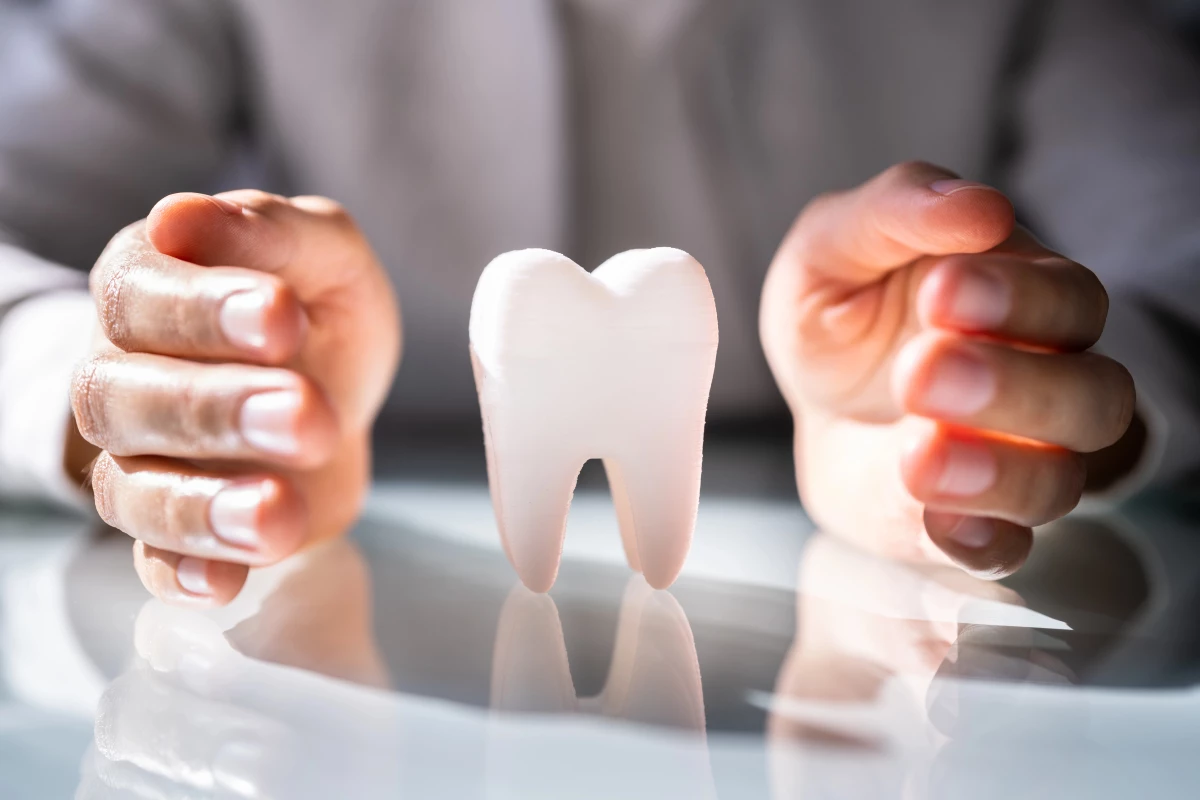
New research has revealed why men experience gum disease and tooth decay more severely than women. Scientists at the University of North Carolina at Chapel Hill have identified a specific inflammatory protein, known as interleukin-1 beta (IL-1β), that escalates the symptoms of periodontitis in males. This discovery could lead to tailored treatments for both genders, addressing the underlying biological factors that contribute to dental diseases.
Traditionally, studies attributed the higher prevalence of dental issues among men to behavioral factors, such as less consistent oral hygiene and fewer dental visits. While these habits do play a role, the new findings emphasize the significance of the body’s inflammatory response. IL-1β, a cytokine known for its role in activating immune cells, has been linked to various inflammatory conditions, including neurological disorders and eye diseases.
In a comprehensive analysis of 6,200 human samples across three studies, researchers found that males possess significantly elevated levels of IL-1β in the fluid located in the gingival crevice—a small space between the gum and each tooth. This heightened activity may exacerbate gum and bone loss during infections, leading to more severe cases of periodontitis.
“Our paradigm-shifting work not only pinpoints the inflammasome as a causal driver of male-biased periodontitis but also demonstrates a clear path for the development of sex-stratified therapeutics in periodontics,” stated Julie Marchesan from the UNC Adams School of Dentistry. Previous research had suggested that the inflammasome played a similar role in both males and females, but this new study challenges that notion.
The researchers employed a mouse model to further validate their findings. Male mice exhibited significantly higher IL-1β secretion compared to their female counterparts, reflecting the human data. Mice engineered with deletions in inflammasome genes experienced reduced bone loss associated with dental disease. Moreover, male mice treated with a novel caspase-1/4 inhibitor—a drug that blocks the IL-1β response—showed a substantial decrease in inflammatory cells infiltrating surrounding tissues. Interestingly, this protective effect was not observed in female mice, suggesting a link between the male reproductive system and this specific immune response.
“We found that inflammasome-induced IL-1β represents a mechanism of sex dependency in three human datasets, which is verified mechanistically in murine studies,” the researchers wrote. They noted that targeting the inflammasome could mitigate sex-biased bone resorption in periodontitis.
While these results have yet to be applied directly to human patients, the potential for IL-1β suppression presents a promising avenue for future treatments. This discovery not only opens the door for sex-specific research into inflammatory diseases but may also help unravel the mechanisms behind periodontitis in females, particularly if the condition is not driven by IL-1β activity.
According to the Centers for Disease Control and Prevention (CDC), approximately two in five adults aged 30 years or older in the United States have some degree of periodontitis. The incidence is notably higher among men, with about one in two affected compared to one in three women. Furthermore, it is estimated that 60% of individuals over the age of 65 experience this condition.
Marchesan emphasized the implications of these findings, stating, “Our findings will foster the development of therapies that target the inflammasome and can specifically benefit male patients, while also paving the way for the discovery of biological mechanisms responsible for periodontitis in females.”
The study’s results were published in the journal Proceedings of the National Academy of Sciences, marking a significant advancement in understanding the biological differences in dental health between genders. The ongoing research aims to develop effective treatments that could help prevent the progression of periodontitis and improve oral health outcomes for all individuals.

Urgent Tax Savings Alert: Maximize Deductions Before April 15

Trump’s Administration Faces Uncertainty Over Government Shutdowns

Cosmic Defects: The Mystery of the Universe’s Missing Anomalies

Rapid City Parks Department Opens Registration for Bocce Leagues

Samsung Galaxy Watch 9 to Feature Larger 435mAh Battery Soon

Two Dead After Student Boats Capsize Off Okinawa Coast

Healthy Choice Wellness Reports Earnings with Mixed Results

Prince Harry Positions Himself as Royal Family’s Image Reviver

All Points North Lodge Achieves FSPHP-ETA Accreditation

Send Holiday Parcels for £1.99 with New Comparison Service

University of Hawaiʻi Leads $25M AI Project to Monitor Natural Disasters

Maui County Reopens Upgraded Lānaʻi Fifth Street Courts Today!

Daily Codeword Puzzle Launches on October 21, 2025

Congresswoman Under Fire for Misleading Epstein Donation Claims

Interstellar Object 3I/ATLAS Emits Unique Metal Alloy, Says Scientist

Trump Vows to Resolve Afghanistan-Pakistan Crisis “Very Quickly”

Charles Darwin’s Address Book Reveals Hidden Aspects of His Life

Rediscovering Chrysler: 5 Overlooked Models from the 1980s
-
 Lifestyle8 months ago
Send Holiday Parcels for £1.99 with New Comparison Service
-
Science9 months ago
University of Hawaiʻi Leads $25M AI Project to Monitor Natural Disasters
-
 Top Stories8 months ago
Maui County Reopens Upgraded Lānaʻi Fifth Street Courts Today!
-
 Entertainment10 months ago
Daily Codeword Puzzle Launches on October 21, 2025
-
 Lifestyle9 months ago
Congresswoman Under Fire for Misleading Epstein Donation Claims
-
 Science10 months ago
Interstellar Object 3I/ATLAS Emits Unique Metal Alloy, Says Scientist
-
 Top Stories9 months ago
Trump Vows to Resolve Afghanistan-Pakistan Crisis “Very Quickly”
-
 Science9 months ago
Charles Darwin’s Address Book Reveals Hidden Aspects of His Life
-
 Lifestyle8 months ago
Rediscovering Chrysler: 5 Overlooked Models from the 1980s
-

 Science7 months ago
Understanding Generation Z: Strategies for Engaging the Workforce
-

 Entertainment10 months ago
Kelly McCreary Discusses Future of Maggie and Winston in Grey’s Anatomy
-

 Top Stories8 months ago
aespa Faces Backlash Over G-Dragon Interaction at 2025 MAMAs