
Health
Strategies to Prevent Medication Errors in Community Pharmacies

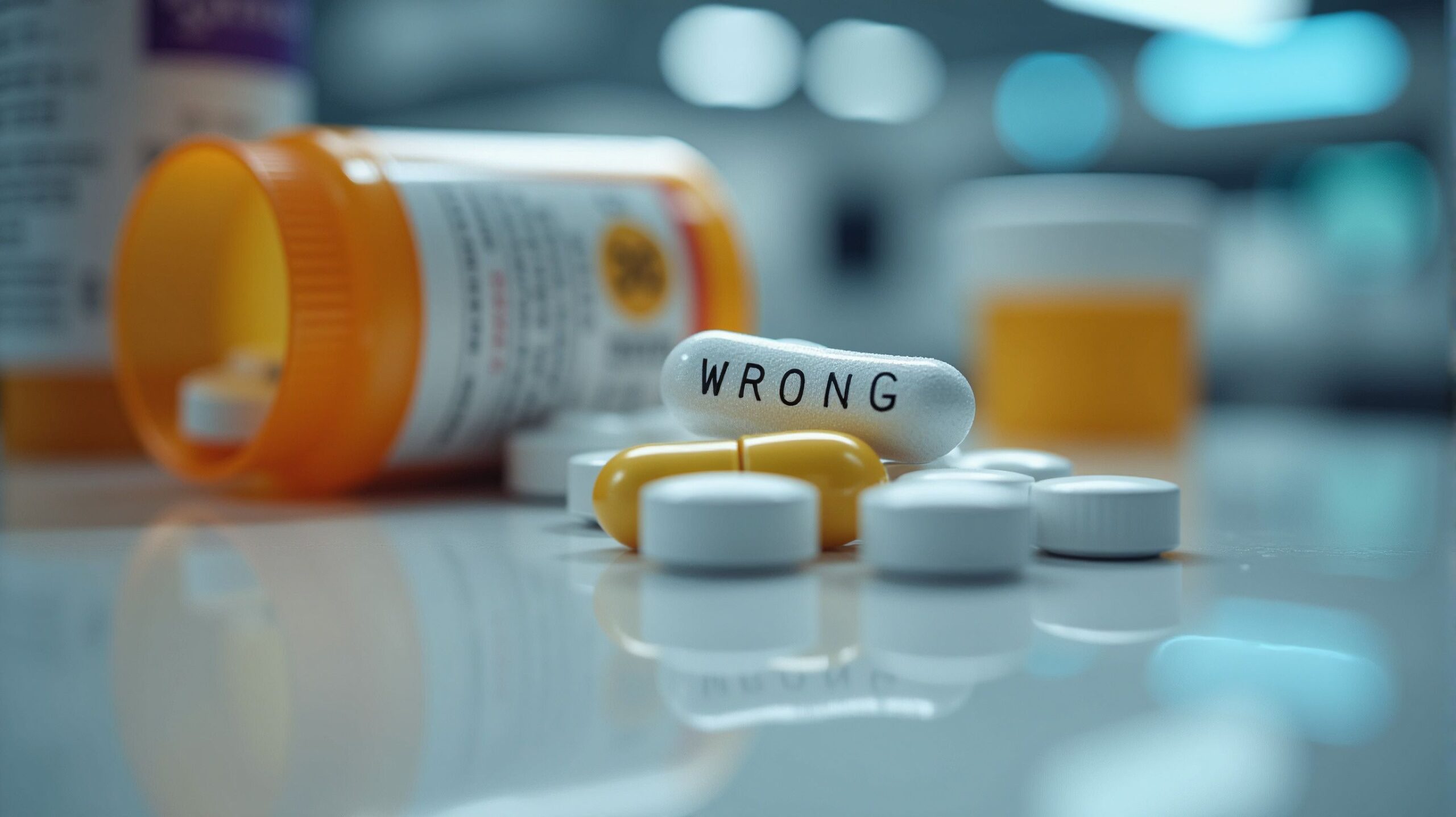
Medication errors, defined as preventable events that could lead to inappropriate medication use or patient harm, are a significant concern in community pharmacies. According to the World Health Organization, these errors result in at least 1 death daily and injure approximately 1.3 million people annually in the United States alone. The global cost associated with medication errors is estimated at $42 billion each year, representing nearly 1% of total worldwide health expenditure. As community pharmacies serve as the final checkpoint in the medication use process, it is crucial to address these errors to enhance patient safety.
Understanding the Causes of Medication Errors
Medication errors can occur at any stage of patient care, and their causes often stem from human factors combined with systemic weaknesses in pharmacy workflows. High workloads and staffing shortages in community pharmacies create an environment that can compromise safety. Pharmacists frequently face interruptions from ringing phones, patient inquiries, and staff communications, which can distract them from essential tasks such as data entry, drug interaction screening, and patient counseling.
Communication breakdowns within the pharmacy team, between healthcare providers, and with patients can further increase the risk of errors. Additionally, lookalike and soundalike medications present a persistent challenge, despite existing safeguards. Knowledge gaps and inadequate training among pharmacy staff can also hinder their ability to perform critical tasks accurately.
While technology has the potential to reduce errors, it can also introduce new risks. Issues such as poor user interface, alert fatigue, and interoperability problems can complicate the medication dispensing process. Moreover, patient-specific factors, including incomplete information, low health literacy, and language barriers, can contribute to medication errors.
Implementing Effective Prevention Strategies
To mitigate the risk of medication errors, community pharmacies should adopt comprehensive strategies focused on workflow optimization and patient engagement. Establishing standardized policies and procedures for each step of the prescription process is essential. Organizing workflows to minimize interruptions and multitasking can help maintain focus during critical tasks like final verification.
A double-check system for high-alert medications and complex calculations can enhance safety. Pharmacists must clarify prescription uncertainties directly with prescribers and document these interactions. Additionally, maintaining an updated patient profile that includes a complete list of allergies and medications is crucial.
To prevent confusion between lookalike or soundalike medications, pharmacies should use both brand and generic names on prescriptions and ensure that medications are stored in an organized manner. Following proper decimal point rules—such as using leading zeros before a decimal point while avoiding trailing zeros—can also prevent dosing errors.
Technology plays a vital role in enhancing patient safety through electronic medical records, automated dispensing systems, and barcode scanning. Pharmacy staff should remain vigilant and attentive to alerts generated by these systems, avoiding complacency due to alert fatigue.
Patient involvement is critical in medication management. Pharmacists should conduct thorough consultations with open-ended questions and verify patient understanding of their medications. Encouraging patients to participate actively in their healthcare can improve safety and adherence. When patients transition between care settings, conducting a comprehensive medication reconciliation can ensure accurate and updated information.
Creating a culture of safety within community pharmacies is essential. A blame-free environment encourages staff to report medication errors and near misses without fear of repercussions. Such transparency transforms errors into learning opportunities, allowing pharmacies to analyze systemic issues and implement targeted training.
Regular discussions of medication errors and near misses can help identify trends and lead to process improvements. Continuous professional development and training on medication safety and industry advancements can further enhance patient care and reduce errors.
Reducing medication errors in community pharmacies requires a multifaceted, systems-based approach. Pharmacists and healthcare organizations must prioritize patient safety by implementing effective strategies and embracing technological advancements. As the healthcare landscape evolves, a collaborative effort focused on patient-centered care will be vital in minimizing medication errors and ensuring better health outcomes for patients.
Kathleen Kenny, PharmD, RPh, brings over 30 years of experience as a community pharmacist and currently works as a clinical medical writer in Albuquerque, New Mexico. She earned her doctoral degree from the University of Colorado Health Sciences Center.

Urgent Tax Savings Alert: Maximize Deductions Before April 15

Trump’s Administration Faces Uncertainty Over Government Shutdowns

Cosmic Defects: The Mystery of the Universe’s Missing Anomalies

Rapid City Parks Department Opens Registration for Bocce Leagues

Samsung Galaxy Watch 9 to Feature Larger 435mAh Battery Soon

Two Dead After Student Boats Capsize Off Okinawa Coast

Healthy Choice Wellness Reports Earnings with Mixed Results

Prince Harry Positions Himself as Royal Family’s Image Reviver

All Points North Lodge Achieves FSPHP-ETA Accreditation

Send Holiday Parcels for £1.99 with New Comparison Service

University of Hawaiʻi Leads $25M AI Project to Monitor Natural Disasters

Maui County Reopens Upgraded Lānaʻi Fifth Street Courts Today!

Interstellar Object 3I/ATLAS Emits Unique Metal Alloy, Says Scientist

Kelly McCreary Discusses Future of Maggie and Winston in Grey’s Anatomy

Daily Codeword Puzzle Launches on October 21, 2025

Congresswoman Under Fire for Misleading Epstein Donation Claims

Trump Vows to Resolve Afghanistan-Pakistan Crisis “Very Quickly”

Researchers Achieve Fastest Genome Sequencing in Under Four Hours
-
 Lifestyle4 months ago
Send Holiday Parcels for £1.99 with New Comparison Service
-
Science5 months ago
University of Hawaiʻi Leads $25M AI Project to Monitor Natural Disasters
-
 Top Stories4 months ago
Maui County Reopens Upgraded Lānaʻi Fifth Street Courts Today!
-
 Science6 months ago
Interstellar Object 3I/ATLAS Emits Unique Metal Alloy, Says Scientist
-
 Entertainment6 months ago
Kelly McCreary Discusses Future of Maggie and Winston in Grey’s Anatomy
-
 Entertainment6 months ago
Daily Codeword Puzzle Launches on October 21, 2025
-
 Lifestyle5 months ago
Congresswoman Under Fire for Misleading Epstein Donation Claims
-
 Top Stories6 months ago
Trump Vows to Resolve Afghanistan-Pakistan Crisis “Very Quickly”
-
 Science6 months ago
Researchers Achieve Fastest Genome Sequencing in Under Four Hours
-

 Science5 months ago
Charles Darwin’s Address Book Reveals Hidden Aspects of His Life
-
 Business6 months ago
Iconic Sand Dollar Social Club Listed for $3 Million in Folly Beach
-

 Politics6 months ago
Afghan Refugee Detained by ICE After Asylum Hearing in New York