
Health
Testing Creatine: Six Months of Claims, Results, and Science

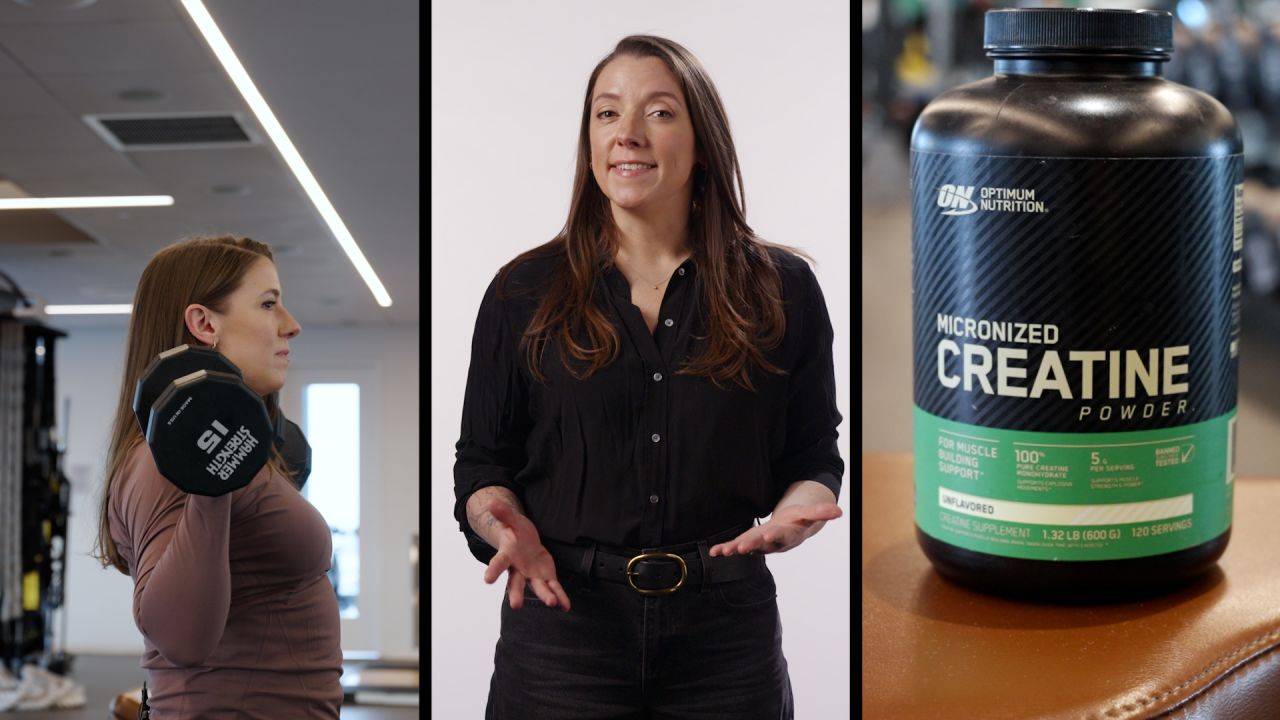
Creatine, a popular supplement among athletes and fitness enthusiasts, has recently gained renewed attention. Many users assert that it enhances muscle growth, improves mood, boosts memory, and even aids in sleep quality. To evaluate these claims, CNN journalist Allison Morrow undertook a six-month study to determine whether creatine truly delivers on its promises.
Over the course of her experiment, Morrow incorporated creatine into her daily routine while monitoring its effects closely. This involved not only physical performance but also mental well-being. The primary goal was to assess the supplement’s impact on various aspects of health, as promoted by numerous gym influencers and online sources.
Claims Versus Reality
The claims surrounding creatine are substantial. Users often share testimonials about increased strength and muscle mass, leading to its popularity in fitness circles. According to Morrow, the supplement is marketed as a solution for those looking to enhance their workout results significantly. However, it is crucial to examine the scientific backing behind these assertions.
Health experts generally agree that while creatine can indeed support muscle growth, particularly in high-intensity training, its effects on mood and cognitive functions require further investigation. The International Society of Sports Nutrition states that creatine supplementation can enhance performance in short bursts of intense exercise and is well-supported by research.
Morrow’s six-month journey yielded mixed results. In terms of physical performance, she reported noticeable improvements in her strength during workouts. Over the study period, her bench press increased by 10%, while her endurance during high-intensity interval sessions improved significantly.
Impact on Mental Health and Sleep
The implications of creatine on mental health and sleep were less clear-cut. Morrow noted some positive changes in her overall mood during the initial weeks of supplementation. However, these effects appeared to stabilize over time. It is important to highlight that individual responses to supplements can vary widely.
Several health professionals, including Dr. David Geier, a sports medicine expert, caution that while creatine may offer some benefits, it is not a cure-all. “People need to understand that no supplement will replace a balanced diet and proper exercise,” he stated.
Furthermore, studies exploring the cognitive benefits of creatine are still ongoing. A recent paper published in the journal Neuroscience suggested that creatine might aid in improving memory tasks, especially in individuals who are sleep-deprived. Nonetheless, the consensus remains that more research is necessary to fully understand its potential effects on cognitive health.
Morrow’s experience also highlighted the importance of lifestyle factors in achieving optimal results. She maintained a balanced diet and continued her regular exercise routine, which likely contributed to her positive findings. It serves as a reminder that supplements should complement a healthy lifestyle rather than act as a substitute.
Ultimately, Morrow’s findings underscore the need for personal consideration when integrating supplements like creatine into one’s regimen. While it may provide benefits for muscle growth and performance enhancement, the effects on mental health and cognitive function remain a topic of ongoing research.
As creatine continues to attract attention, both from the fitness community and health experts, individuals should approach such supplements with informed caution. Consulting with healthcare professionals before starting any new supplement is always advised to ensure safety and effectiveness tailored to individual health needs.

Urgent Tax Savings Alert: Maximize Deductions Before April 15

Trump’s Administration Faces Uncertainty Over Government Shutdowns

Cosmic Defects: The Mystery of the Universe’s Missing Anomalies

Rapid City Parks Department Opens Registration for Bocce Leagues

Samsung Galaxy Watch 9 to Feature Larger 435mAh Battery Soon

Two Dead After Student Boats Capsize Off Okinawa Coast

Healthy Choice Wellness Reports Earnings with Mixed Results

Prince Harry Positions Himself as Royal Family’s Image Reviver

All Points North Lodge Achieves FSPHP-ETA Accreditation

Send Holiday Parcels for £1.99 with New Comparison Service

University of Hawaiʻi Leads $25M AI Project to Monitor Natural Disasters

Maui County Reopens Upgraded Lānaʻi Fifth Street Courts Today!

Daily Codeword Puzzle Launches on October 21, 2025

Congresswoman Under Fire for Misleading Epstein Donation Claims

Interstellar Object 3I/ATLAS Emits Unique Metal Alloy, Says Scientist

Trump Vows to Resolve Afghanistan-Pakistan Crisis “Very Quickly”

Charles Darwin’s Address Book Reveals Hidden Aspects of His Life

Rediscovering Chrysler: 5 Overlooked Models from the 1980s
-
 Lifestyle8 months ago
Send Holiday Parcels for £1.99 with New Comparison Service
-
Science9 months ago
University of Hawaiʻi Leads $25M AI Project to Monitor Natural Disasters
-
 Top Stories8 months ago
Maui County Reopens Upgraded Lānaʻi Fifth Street Courts Today!
-
 Entertainment10 months ago
Daily Codeword Puzzle Launches on October 21, 2025
-
 Lifestyle9 months ago
Congresswoman Under Fire for Misleading Epstein Donation Claims
-
 Science10 months ago
Interstellar Object 3I/ATLAS Emits Unique Metal Alloy, Says Scientist
-
 Top Stories9 months ago
Trump Vows to Resolve Afghanistan-Pakistan Crisis “Very Quickly”
-
 Science8 months ago
Charles Darwin’s Address Book Reveals Hidden Aspects of His Life
-
 Lifestyle8 months ago
Rediscovering Chrysler: 5 Overlooked Models from the 1980s
-

 Science7 months ago
Understanding Generation Z: Strategies for Engaging the Workforce
-

 Entertainment10 months ago
Kelly McCreary Discusses Future of Maggie and Winston in Grey’s Anatomy
-

 Top Stories8 months ago
aespa Faces Backlash Over G-Dragon Interaction at 2025 MAMAs