
Health
USDA Launches New Dietary Guidelines Featuring Inverted Food Pyramid

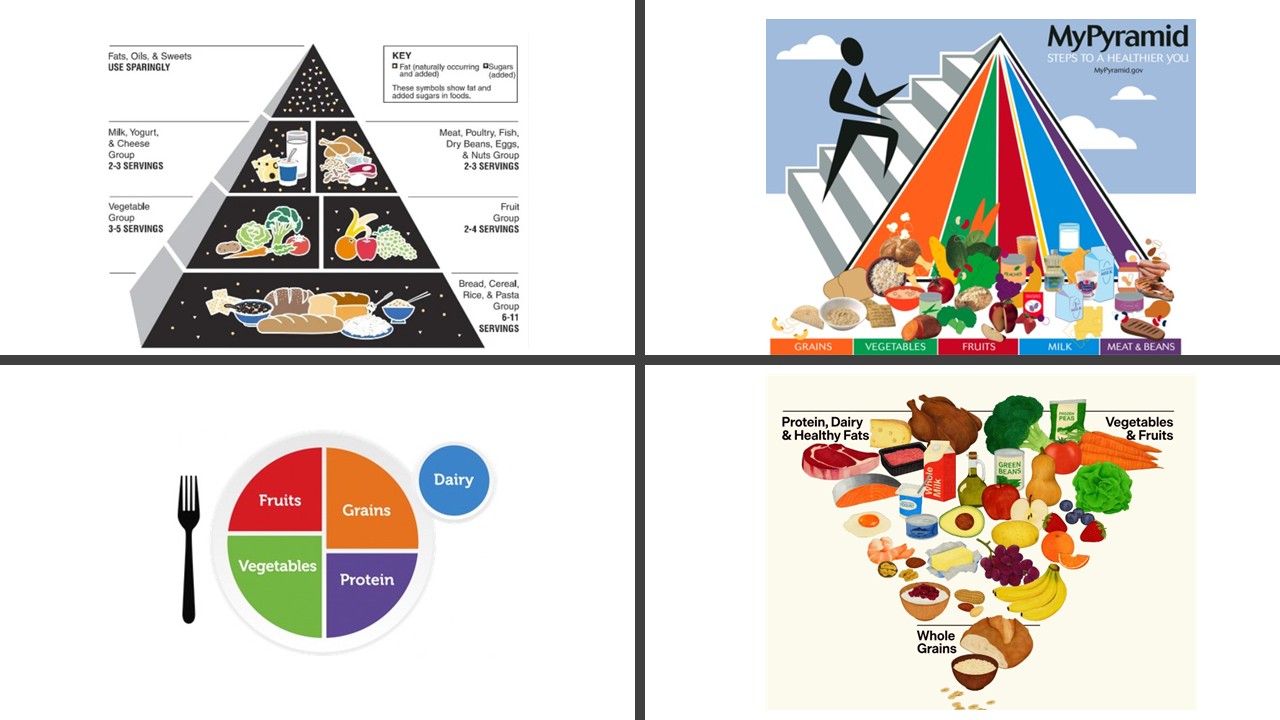
The United States Department of Agriculture (USDA) has unveiled its latest Dietary Guidelines for Americans for the years 2025–2030, introducing a new inverted food pyramid. This significant shift in dietary recommendations aims to prioritize whole, nutrient-dense foods while reducing the consumption of highly processed items.
The inverted food pyramid emphasizes protein, dairy, and healthy fats at the top, which represents the largest portion of the recommended diet. Alongside these, vegetables and fruits are also highlighted as essential components. In a statement, U.S. Department of Health and Human Services Secretary Robert F. Kennedy Jr. expressed the need for households to “return to the basics” by focusing on whole foods. He stated, “American households must prioritize whole, nutrient-dense foods — protein, dairy, vegetables, fruits, healthy fats and whole grains — and dramatically reduce highly processed foods. This is how we Make America Healthy Again.”
Key Recommendations of the Guidelines
According to the USDA, the new guidelines are grounded in modern nutrition science and provide flexible advice for individuals. Key recommendations include:
– Prioritizing protein at every meal.
– Consuming full-fat dairy without added sugars.
– Eating a variety of vegetables and fruits throughout the day, focusing on whole forms.
– Incorporating healthy fats from whole foods such as meats, seafood, eggs, nuts, seeds, olives, and avocados.
– Emphasizing whole grains while sharply reducing refined carbohydrates.
– Limiting highly processed foods, added sugars, and artificial additives.
– Tailoring food intake based on individual factors like age, sex, size, and activity level.
– Choosing water and unsweetened beverages to support hydration.
– Limiting alcohol consumption for better overall health.
These guidelines are designed to be inclusive, offering tailored recommendations for various demographics, including infants, children, adolescents, pregnant and lactating women, older adults, and individuals with chronic diseases. This approach ensures nutritional adequacy across all stages of life.
The USDA aims to provide clear and actionable advice, encouraging people to make informed dietary choices. The full guidelines can be accessed through the USDA’s website, where detailed information on each recommendation is available.
In summary, the USDA’s 2025–2030 Dietary Guidelines mark a shift towards a more balanced approach to nutrition, urging Americans to reconsider their dietary habits and prioritize healthful foods for improved well-being.

Urgent Tax Savings Alert: Maximize Deductions Before April 15

Trump’s Administration Faces Uncertainty Over Government Shutdowns

Cosmic Defects: The Mystery of the Universe’s Missing Anomalies

Rapid City Parks Department Opens Registration for Bocce Leagues

Samsung Galaxy Watch 9 to Feature Larger 435mAh Battery Soon

Two Dead After Student Boats Capsize Off Okinawa Coast

Healthy Choice Wellness Reports Earnings with Mixed Results

Prince Harry Positions Himself as Royal Family’s Image Reviver

All Points North Lodge Achieves FSPHP-ETA Accreditation

Send Holiday Parcels for £1.99 with New Comparison Service

University of Hawaiʻi Leads $25M AI Project to Monitor Natural Disasters

Maui County Reopens Upgraded Lānaʻi Fifth Street Courts Today!

Daily Codeword Puzzle Launches on October 21, 2025

Congresswoman Under Fire for Misleading Epstein Donation Claims

Interstellar Object 3I/ATLAS Emits Unique Metal Alloy, Says Scientist

Trump Vows to Resolve Afghanistan-Pakistan Crisis “Very Quickly”

Charles Darwin’s Address Book Reveals Hidden Aspects of His Life

Rediscovering Chrysler: 5 Overlooked Models from the 1980s
-
 Lifestyle8 months ago
Send Holiday Parcels for £1.99 with New Comparison Service
-
Science9 months ago
University of Hawaiʻi Leads $25M AI Project to Monitor Natural Disasters
-
 Top Stories8 months ago
Maui County Reopens Upgraded Lānaʻi Fifth Street Courts Today!
-
 Entertainment10 months ago
Daily Codeword Puzzle Launches on October 21, 2025
-
 Lifestyle9 months ago
Congresswoman Under Fire for Misleading Epstein Donation Claims
-
 Science10 months ago
Interstellar Object 3I/ATLAS Emits Unique Metal Alloy, Says Scientist
-
 Top Stories9 months ago
Trump Vows to Resolve Afghanistan-Pakistan Crisis “Very Quickly”
-
 Science9 months ago
Charles Darwin’s Address Book Reveals Hidden Aspects of His Life
-
 Lifestyle8 months ago
Rediscovering Chrysler: 5 Overlooked Models from the 1980s
-

 Science7 months ago
Understanding Generation Z: Strategies for Engaging the Workforce
-

 Entertainment10 months ago
Kelly McCreary Discusses Future of Maggie and Winston in Grey’s Anatomy
-

 Top Stories8 months ago
aespa Faces Backlash Over G-Dragon Interaction at 2025 MAMAs