
Lifestyle
Arlington Pride Cancelled After Council Rejects LGBTQ Protections

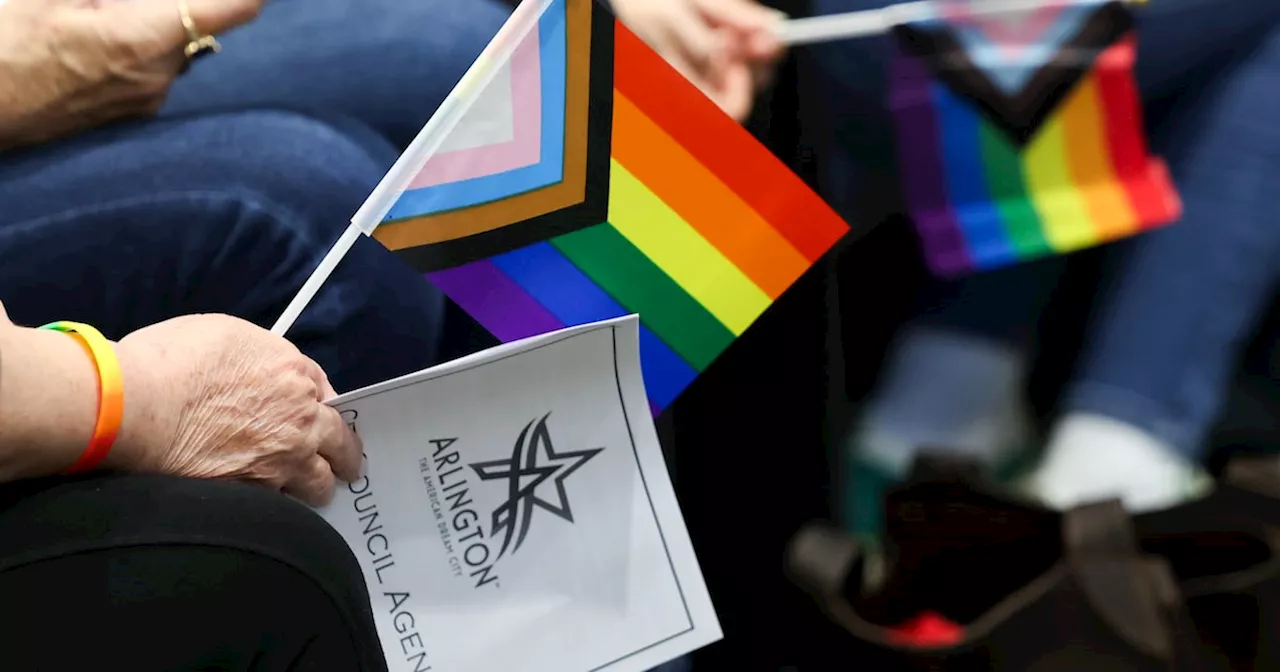
Organizers have announced the cancellation of Arlington Pride, one of North Texas’s largest LGBTQ celebrations, following a recent vote by the City Council that rejected a proposal to establish anti-discrimination protections for gay and transgender individuals. The decision, made during a council meeting on December 9, 2025, has sparked significant backlash from community leaders and activists.
DeeJay Johannessen, CEO of the HELP Center for LGBT Health and Wellness, emphasized that the organization cannot endorse a city that lacks fundamental protections for its residents. “Pride is about safety, celebration, and community,” Johannessen stated. “Without local anti-discrimination safeguards, we cannot guarantee those values for our attendees, performers, or partners.”
Arlington Pride began in 2021 and quickly grew in popularity, drawing over 15,000 attendees to downtown Arlington in June 2025. The proposed ordinance aimed to prohibit discrimination based on sexual orientation and gender identity in housing, employment, and public services. It also sought to extend protections against discrimination related to race, religion, national origin, sex, and disability.
The council’s decision came after months of debate and advocacy from the LGBTQ community and allies. In a narrow 5-4 vote, council members decided against restoring the protections, with some expressing concerns about the enforceability of such an ordinance. Council member Rebecca Boxall, who voted against the proposal, referred to it as “bad policy,” arguing that it would not provide adequate protection.
The city had previously suspended the ordinance in September 2025, citing fears of losing over $60 million in federal funding due to potential conflicts with the Trump administration’s policies. This move has positioned Arlington among the first cities in the United States to repeal a nondiscrimination ordinance out of concern for federal financial repercussions.
Federal law offers some protections against discrimination based on disability, race, color, religion, or national origin, but it does not explicitly cover sexual orientation or gender identity. According to the Movement Advancement Project, over 20 states and nearly 400 cities across the country have implemented policies banning discrimination based on sexual orientation and gender identity, but Texas remains without such legislation. Nearby cities like Dallas, Fort Worth, and Plano have established protections for their LGBTQ residents.
Despite the setback, Mayor Jim Ross, who supported the restoration of protections, has pledged to continue advocating for LGBTQ rights in Arlington. He announced plans to revisit the ordinance in the coming weeks. “Arlington is one of the most welcoming places,” Ross stated. “We want everyone to know they can feel safe and comfortable here.”
As news of the cancellation of the 2026 Pride festival spread, reactions on social media varied. Some individuals expressed reluctance to spend time or money in a city that does not provide adequate protections, while others called for an even more vibrant celebration in response to the decision. One commenter highlighted the importance of resilience, stating, “Don’t you think now more than ever we should host a louder, more exuberant pride?”
The future of Arlington Pride remains uncertain, with community leaders urging the council to rethink its stance on LGBTQ protections and consider the implications of its decisions on the safety and well-being of all residents.

17-Year-Old Girl Falls 100 Feet to Death at Queensland Lookout

At Least 11 Killed in Shooting at Jewish Gathering in Australia

Stream NFL RedZone Free This Week: Your Guide to Options

Health Expert Recommends Golden Milk Over Hot Chocolate for Sleep

Jewish Leaders Condemn Deadly Terror Attack at Bondi Beach

Wyoming Increases Stake in Agnico Eagle Mines by 69.5% in Q2

Urgent Update: 12 Dead in Bondi Beach Terror Attack During Chanukah

Adult Actress Bonnie Blue Arrested in Indonesia, Faces Deportation

Urgent Alert: Car Heaters Blowing Cold Air—4 Key Causes Revealed

University of Hawaiʻi Leads $25M AI Project to Monitor Natural Disasters

Interstellar Object 3I/ATLAS Emits Unique Metal Alloy, Says Scientist

Researchers Achieve Fastest Genome Sequencing in Under Four Hours

Iconic Sand Dollar Social Club Listed for $3 Million in Folly Beach

Afghan Refugee Detained by ICE After Asylum Hearing in New York

McEwen Inc. Secures Tartan Lake Gold Mine Through Acquisition

Peptilogics Secures $78 Million to Combat Prosthetic Joint Infections

Jump for Good: San Clemente Pier Fundraiser Allows Legal Leaps

Mars Observed: Detailed Imaging Reveals Dust Avalanche Dynamics
-
Science1 month ago
University of Hawaiʻi Leads $25M AI Project to Monitor Natural Disasters
-
 Science2 months ago
Interstellar Object 3I/ATLAS Emits Unique Metal Alloy, Says Scientist
-
 Science2 months ago
Researchers Achieve Fastest Genome Sequencing in Under Four Hours
-
 Business2 months ago
Iconic Sand Dollar Social Club Listed for $3 Million in Folly Beach
-
 Politics2 months ago
Afghan Refugee Detained by ICE After Asylum Hearing in New York
-
 Business2 months ago
McEwen Inc. Secures Tartan Lake Gold Mine Through Acquisition
-
 Health2 months ago
Peptilogics Secures $78 Million to Combat Prosthetic Joint Infections
-
 Lifestyle2 months ago
Jump for Good: San Clemente Pier Fundraiser Allows Legal Leaps
-
 Science2 months ago
Mars Observed: Detailed Imaging Reveals Dust Avalanche Dynamics
-

 Health2 months ago
Researcher Uncovers Zika Virus Pathway to Placenta Using Nanotubes
-

 Entertainment2 months ago
Jennifer Lopez Addresses A-Rod Split in Candid Interview
-

 World2 months ago
US Passport Ranks Drop Out of Top 10 for First Time Ever