
Politics
Boulder Artist’s Stickers Ignite Debate Over National Parks Passes

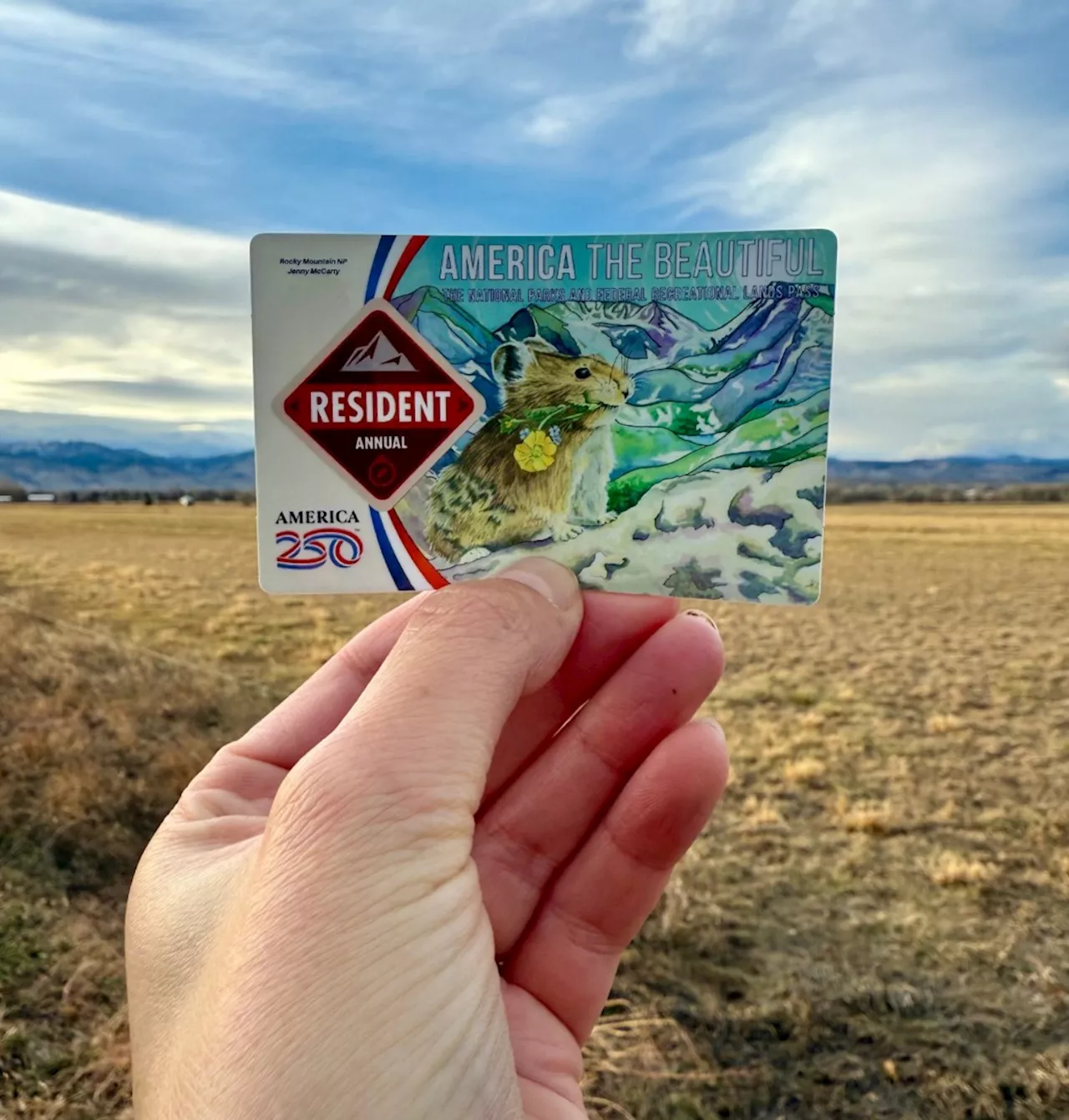
A controversy has emerged surrounding the 2026 National Parks passes as artist Jenny McCarty from Boulder, Colorado, has created custom stickers designed to obscure President Donald Trump‘s image on the new designs. This act of artistic protest has sparked a national dialogue about public lands and the role of political expression within them.
The stickers, which feature McCarty’s vibrant watercolor paintings of nature, aim to highlight growing concerns about recent policy changes affecting the National Parks Service. The shift in the pass design eliminated the public’s opportunity to vote for their favorite photographs, an element that many citizens cherished. McCarty’s artwork includes scenes of wildlife, such as a brown bear in a field and the iconic Denali mountain, capturing the essence of America’s natural beauty.
McCarty’s initiative is more than just a personal statement; it resonates with broader sentiments among public lands advocates. Critics argue that the new park pass design violates an act that relies on an annual photo contest, which has traditionally allowed citizens to engage directly with the national parks. The response to McCarty’s stickers has been significant, with over 1,000 orders received since their launch on December 10, 2023. The stickers are available for various types of passes, including those for seniors and military personnel, making them accessible to a wide audience.
Public Response and Support for the Initiative
The movement has garnered extensive support, including collaboration offers from a California sticker manufacturer and a former park ranger, who expressed willingness to assist with printing needs. Despite not yet receiving feedback from the National Park Service or other governmental bodies, McCarty sees the stickers as a creative outlet for peaceful dissent.
Her connection to the national parks is deeply personal, stemming from childhood visits that continued into her adult life. McCarty views the parks as shared lands meant to inspire joy and facilitate a connection with nature. The stickers serve as a non-violent means of expressing discontent with federal policies that affect public lands, including increased development and budget reductions that could threaten the integrity of the parks.
Many individuals have shared with McCarty how her project has provided them with a platform for political expression regarding federal policy changes. For those concerned that park rangers might not accept the sticker-covered passes, McCarty has suggested using a clear credit card holder to display the stickers.
In a philanthropic move, McCarty plans to donate every dollar from sticker sales to the National Park Foundation, emphasizing her commitment to preserving the national parks while advocating for public involvement in their management.
The stickers not only reflect McCarty’s artistic vision but also symbolize a collective desire for engagement and activism surrounding America’s treasured landscapes. As the debate continues, McCarty’s work highlights the intersection of art, politics, and public lands, resonating with many who wish to voice their concerns in a meaningful way.

Timothy K. Miller, 63, Remembered for His Passion and Dedication

Grant Private Wealth Boosts NVIDIA Stake by Over 300% in Q3

NASA’s James Webb Space Telescope Spots Unusual Lemon-Shaped Exoplanet

Anthony Joshua Knocks Out Jake Paul in Sixth Round of Heavyweight Clash

Libya’s Youth Movement Offers U.S. a Strategic Opportunity

Thrivent Financial Expands Stake in Monster Beverage by 247%

Bears vs. Packers: High-Stakes Showdown Kicks Off at 7:20 PM

Urgent: Fligor Announces Candidacy for Santa Clara County Assessor

Philip Rivers Banned from Hall of Fame for 5 More Years

Send Holiday Parcels for £1.99 with New Comparison Service

University of Hawaiʻi Leads $25M AI Project to Monitor Natural Disasters

Interstellar Object 3I/ATLAS Emits Unique Metal Alloy, Says Scientist

Researchers Achieve Fastest Genome Sequencing in Under Four Hours

Iconic Sand Dollar Social Club Listed for $3 Million in Folly Beach

Afghan Refugee Detained by ICE After Asylum Hearing in New York

McEwen Inc. Secures Tartan Lake Gold Mine Through Acquisition

Peptilogics Secures $78 Million to Combat Prosthetic Joint Infections

Jump for Good: San Clemente Pier Fundraiser Allows Legal Leaps
-
 Lifestyle2 weeks ago
Send Holiday Parcels for £1.99 with New Comparison Service
-
Science2 months ago
University of Hawaiʻi Leads $25M AI Project to Monitor Natural Disasters
-
 Science2 months ago
Interstellar Object 3I/ATLAS Emits Unique Metal Alloy, Says Scientist
-
 Science2 months ago
Researchers Achieve Fastest Genome Sequencing in Under Four Hours
-
 Business2 months ago
Iconic Sand Dollar Social Club Listed for $3 Million in Folly Beach
-
 Politics2 months ago
Afghan Refugee Detained by ICE After Asylum Hearing in New York
-
 Business2 months ago
McEwen Inc. Secures Tartan Lake Gold Mine Through Acquisition
-
 Health2 months ago
Peptilogics Secures $78 Million to Combat Prosthetic Joint Infections
-
 Lifestyle2 months ago
Jump for Good: San Clemente Pier Fundraiser Allows Legal Leaps
-
 Science2 months ago
Mars Observed: Detailed Imaging Reveals Dust Avalanche Dynamics
-

 Health2 months ago
Researcher Uncovers Zika Virus Pathway to Placenta Using Nanotubes
-
 Entertainment2 months ago
Jennifer Lopez Addresses A-Rod Split in Candid Interview