
Politics
Congress Faces Record Departures as 60 Lawmakers Opt Out of Re-election

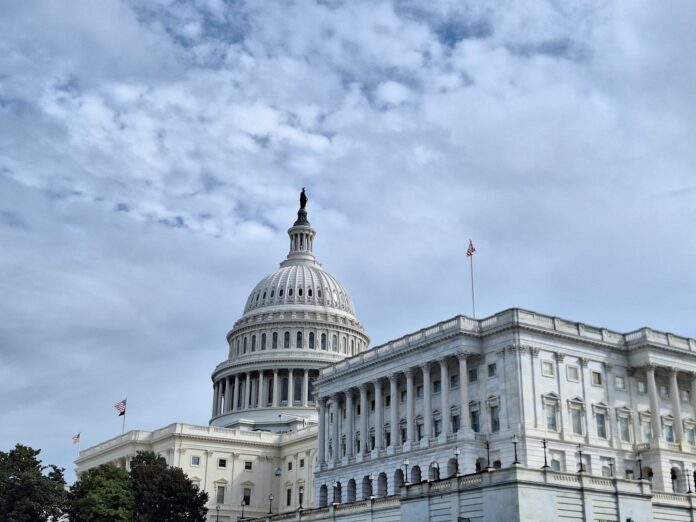
The United States Congress is witnessing an unprecedented wave of departures, with a record *sixty lawmakers*—*fifty-one House members* and *nine Senators*—announcing they will not seek re-election. This marks the highest level of exits at this stage in the electoral cycle during the 21st century, raising concerns about the implications for the upcoming elections. Political analysts suggest that these departures reflect deeper issues within the legislative body, revealing a significant reshaping of the political landscape.
Unpacking the Exodus from Congress
The timing and scale of this turnover are striking. Lawmakers cite a variety of reasons for their decisions, including electoral calculations, personal considerations, and the increasing demands of congressional life. These factors combine to create a perception of institutional fatigue and heightened pressures, leading many to reassess their political futures. The upcoming elections in *November* now appear more unpredictable, with the absence of incumbents making various districts more competitive.
In the *House of Representatives*, the departure of Republican members surpasses that of Democrats, further complicating the already narrow majority dynamics. Each vacated seat is strategically significant, as even minor shifts can alter the overall balance of power. Political experts indicate that more than *ten percent* of Congress members, including those pursuing different offices, will not return for the next legislative session. This scenario diminishes incumbency advantages such as name recognition and established networks, resulting in campaigns that are likely to be longer, more expensive, and less predictable.
Senate Changes and the Impact of Redistricting
While the Senate has seen fewer retirements, the impact of those leaving is significant due to the statewide nature of elections. In politically balanced states, open seats can lead to tighter races, where local coalitions and voter mobilization become critical factors. Each contest potentially serves as an indicator of broader national trends, making these elections crucial for both parties.
Redistricting has emerged as a central element in the retirement decisions of many lawmakers. New electoral maps have transformed traditionally secure districts into battlegrounds, prompting some legislators to consider stepping down as a pragmatic response to more challenging campaign environments. This redrawing of lines has resulted in a more fluid electoral landscape, with an increasing number of genuinely contested seats and a decrease in predictability regarding outcomes.
The motivations for leaving Congress vary widely. Many departing members are seeking roles in state executive positions, where they may have more influence and decision-making power compared to the often gridlocked federal legislature. However, a common theme among these lawmakers is a sense of fatigue stemming from the demands of congressional life. The perpetual campaign cycle, combined with constant media scrutiny and polarized political debates, has led to heightened stress for many legislators.
The current political climate also plays a role in the wave of retirements. Internal party tensions and a highly polarized environment create pressures that can influence lawmakers’ decisions. While some view these departures as a sign of vulnerability, others interpret them as a natural evolution within the political landscape.
As history indicates, significant waves of retirements often precede shifts in majority control. The increase in open seats enhances the competitive nature of elections, making it difficult to predict outcomes. With the combination of revised district maps, a charged political atmosphere, and escalating campaign costs, Congress is poised for a dramatic transformation.
The decisions made by lawmakers now will have a collective impact, reshaping the balance of power before voters head to the polls in *November*. As the landscape evolves, the upcoming elections promise to be among the most uncertain in recent memory, potentially altering the leadership dynamics for the next legislative term.

Urgent Tax Savings Alert: Maximize Deductions Before April 15

Trump’s Administration Faces Uncertainty Over Government Shutdowns

Cosmic Defects: The Mystery of the Universe’s Missing Anomalies

Rapid City Parks Department Opens Registration for Bocce Leagues

Samsung Galaxy Watch 9 to Feature Larger 435mAh Battery Soon

Two Dead After Student Boats Capsize Off Okinawa Coast

Healthy Choice Wellness Reports Earnings with Mixed Results

Prince Harry Positions Himself as Royal Family’s Image Reviver

All Points North Lodge Achieves FSPHP-ETA Accreditation

Send Holiday Parcels for £1.99 with New Comparison Service

University of Hawaiʻi Leads $25M AI Project to Monitor Natural Disasters

Maui County Reopens Upgraded Lānaʻi Fifth Street Courts Today!

Interstellar Object 3I/ATLAS Emits Unique Metal Alloy, Says Scientist

Kelly McCreary Discusses Future of Maggie and Winston in Grey’s Anatomy

Daily Codeword Puzzle Launches on October 21, 2025

Congresswoman Under Fire for Misleading Epstein Donation Claims

Trump Vows to Resolve Afghanistan-Pakistan Crisis “Very Quickly”

Researchers Achieve Fastest Genome Sequencing in Under Four Hours
-
 Lifestyle4 months ago
Send Holiday Parcels for £1.99 with New Comparison Service
-
Science5 months ago
University of Hawaiʻi Leads $25M AI Project to Monitor Natural Disasters
-
 Top Stories4 months ago
Maui County Reopens Upgraded Lānaʻi Fifth Street Courts Today!
-
 Science6 months ago
Interstellar Object 3I/ATLAS Emits Unique Metal Alloy, Says Scientist
-
 Entertainment6 months ago
Kelly McCreary Discusses Future of Maggie and Winston in Grey’s Anatomy
-
 Entertainment6 months ago
Daily Codeword Puzzle Launches on October 21, 2025
-
 Lifestyle5 months ago
Congresswoman Under Fire for Misleading Epstein Donation Claims
-
 Top Stories5 months ago
Trump Vows to Resolve Afghanistan-Pakistan Crisis “Very Quickly”
-
 Science6 months ago
Researchers Achieve Fastest Genome Sequencing in Under Four Hours
-

 Business6 months ago
Iconic Sand Dollar Social Club Listed for $3 Million in Folly Beach
-

 Politics6 months ago
Afghan Refugee Detained by ICE After Asylum Hearing in New York
-

 Science4 months ago
Charles Darwin’s Address Book Reveals Hidden Aspects of His Life