
Politics
Congressional Hearing Highlights Need for Civility in Oversight

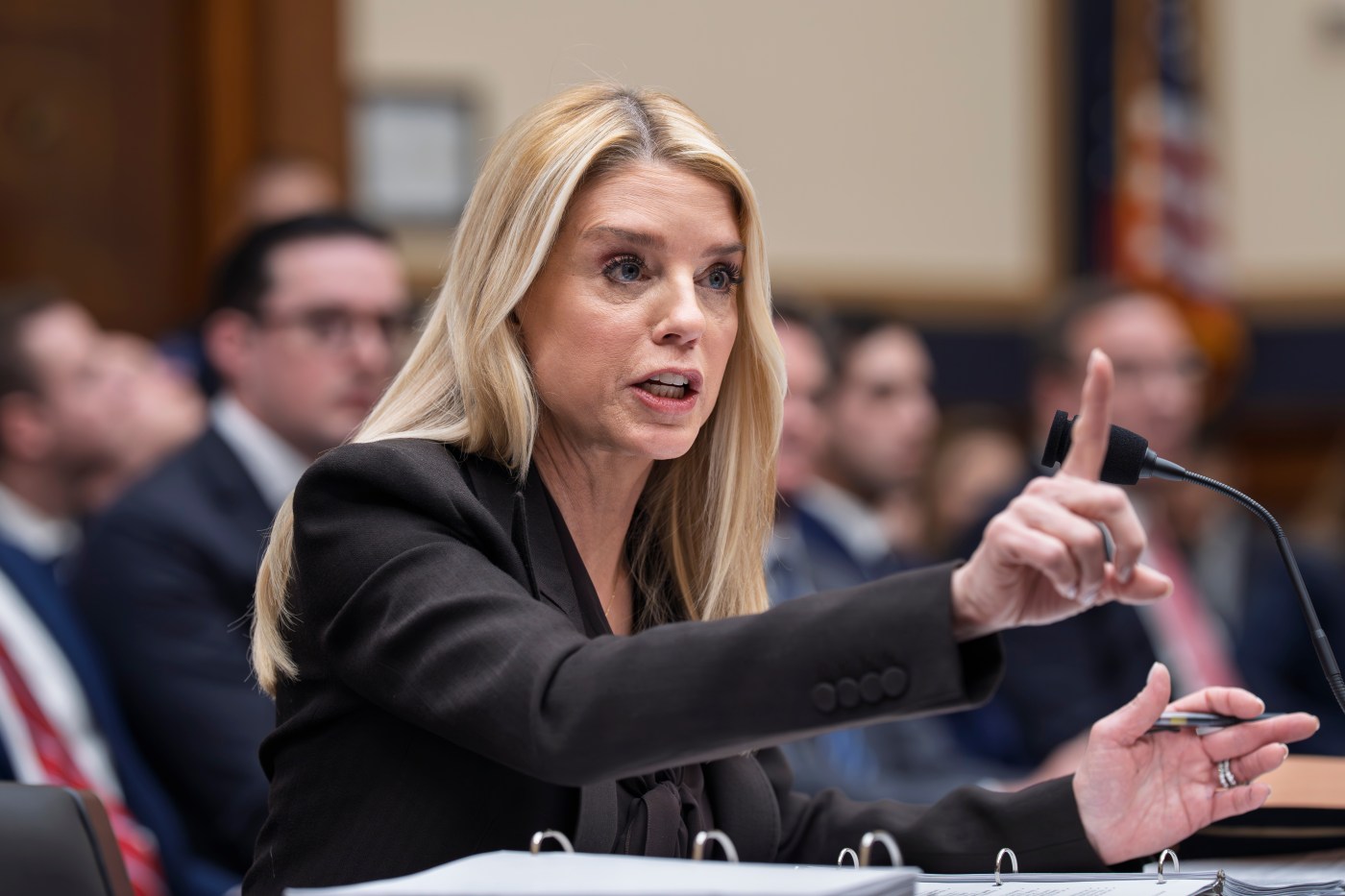
During a recent House Judiciary Committee hearing on the Justice Department’s release of files related to Jeffrey Epstein, tensions escalated into a series of heated exchanges between lawmakers and Attorney General Pam Bondi. The event, held on March 6, 2024, exemplified the growing trend of contentious behavior overshadowing the essential purpose of congressional oversight.
The Disruption of Oversight
Congressional hearings serve as critical platforms for accountability, allowing one branch of government to scrutinize the actions of another. However, on this occasion, the atmosphere shifted from a focused inquiry to a spectacle filled with personal attacks and interruptions. Lawmakers seemed more interested in creating viral moments than in facilitating meaningful dialogue.
Bondi faced sharp criticism from both sides of the aisle. Democratic Representative Jamie Raskin and Republican Representative Thomas Massie directed pointed questions at her, which she countered with equally combative remarks. At one point, she referred to Raskin as a “washed-up, loser lawyer” and labeled Massie a “failed politician” suffering from “Trump derangement syndrome.” Such exchanges detracted from the inquiry’s purpose, transforming it into a platform for theatrical confrontations rather than substantive fact-finding.
The Consequences of Incivility
Observers note that these sharp confrontations may reflect deeper insecurities among lawmakers, as true authority is often displayed through composure rather than insults. While rigorous questioning is an essential part of oversight, it is crucial that the tone remains respectful to ensure clarity and effectiveness.
The American public consumes these hearings not merely to witness who gains the upper hand but to gauge whether their institutions can function with integrity. Every moment of theatricality, from sarcastic remarks to loud interruptions, chips away at public trust. Once eroded, this trust is notoriously difficult to rebuild, posing a significant threat to democratic norms.
Civility in discourse does not equate to surrender or a dilution of convictions. Rather, it signifies a commitment to respecting the weight of the office and the citizens who are observing the proceedings. The topics under discussion — including voter ID laws, national security, and public health — are complex issues that require thoughtful deliberation and composure.
As the discourse surrounding these hearings continues to evolve, the need for a return to civility becomes increasingly apparent. Leaders who exemplify restraint and dignity under pressure contribute positively to public perception of democratic institutions. Conversely, mirroring negative impulses only serves to undermine them.
In an age where outrage often overshadows facts, maintaining disciplined public discourse is vital. A healthy democracy depends not only on accountability but also on the manner in which that accountability is exercised. Leadership should be demonstrated through steadiness rather than volume.
If Congress and executive officials fail to conduct oversight with respect and dignity, the ramifications extend beyond a single hearing. They weaken confidence in the very system designed to uphold liberty. Thus, civility is not merely a cosmetic concern; it is a fundamental aspect of constitutional discipline that the public deserves.
The events of March 6 serve as a reminder of the importance of respectful dialogue in governance. As the political landscape shifts, it is essential that leaders prioritize civility to foster a more effective and trustworthy democratic process.

Urgent Tax Savings Alert: Maximize Deductions Before April 15

Trump’s Administration Faces Uncertainty Over Government Shutdowns

Cosmic Defects: The Mystery of the Universe’s Missing Anomalies

Rapid City Parks Department Opens Registration for Bocce Leagues

Samsung Galaxy Watch 9 to Feature Larger 435mAh Battery Soon

Two Dead After Student Boats Capsize Off Okinawa Coast

Healthy Choice Wellness Reports Earnings with Mixed Results

Prince Harry Positions Himself as Royal Family’s Image Reviver

All Points North Lodge Achieves FSPHP-ETA Accreditation

Send Holiday Parcels for £1.99 with New Comparison Service

University of Hawaiʻi Leads $25M AI Project to Monitor Natural Disasters

Maui County Reopens Upgraded Lānaʻi Fifth Street Courts Today!

Daily Codeword Puzzle Launches on October 21, 2025

Congresswoman Under Fire for Misleading Epstein Donation Claims

Interstellar Object 3I/ATLAS Emits Unique Metal Alloy, Says Scientist

Trump Vows to Resolve Afghanistan-Pakistan Crisis “Very Quickly”

Charles Darwin’s Address Book Reveals Hidden Aspects of His Life

Rediscovering Chrysler: 5 Overlooked Models from the 1980s
-
 Lifestyle8 months ago
Send Holiday Parcels for £1.99 with New Comparison Service
-
Science9 months ago
University of Hawaiʻi Leads $25M AI Project to Monitor Natural Disasters
-
 Top Stories8 months ago
Maui County Reopens Upgraded Lānaʻi Fifth Street Courts Today!
-
 Entertainment10 months ago
Daily Codeword Puzzle Launches on October 21, 2025
-
 Lifestyle9 months ago
Congresswoman Under Fire for Misleading Epstein Donation Claims
-
 Science10 months ago
Interstellar Object 3I/ATLAS Emits Unique Metal Alloy, Says Scientist
-
 Top Stories9 months ago
Trump Vows to Resolve Afghanistan-Pakistan Crisis “Very Quickly”
-
 Science8 months ago
Charles Darwin’s Address Book Reveals Hidden Aspects of His Life
-
 Lifestyle8 months ago
Rediscovering Chrysler: 5 Overlooked Models from the 1980s
-

 Science7 months ago
Understanding Generation Z: Strategies for Engaging the Workforce
-

 Entertainment10 months ago
Kelly McCreary Discusses Future of Maggie and Winston in Grey’s Anatomy
-

 Top Stories8 months ago
aespa Faces Backlash Over G-Dragon Interaction at 2025 MAMAs