
Politics
EEOC Changes Course on Discrimination Claims, Workers Respond

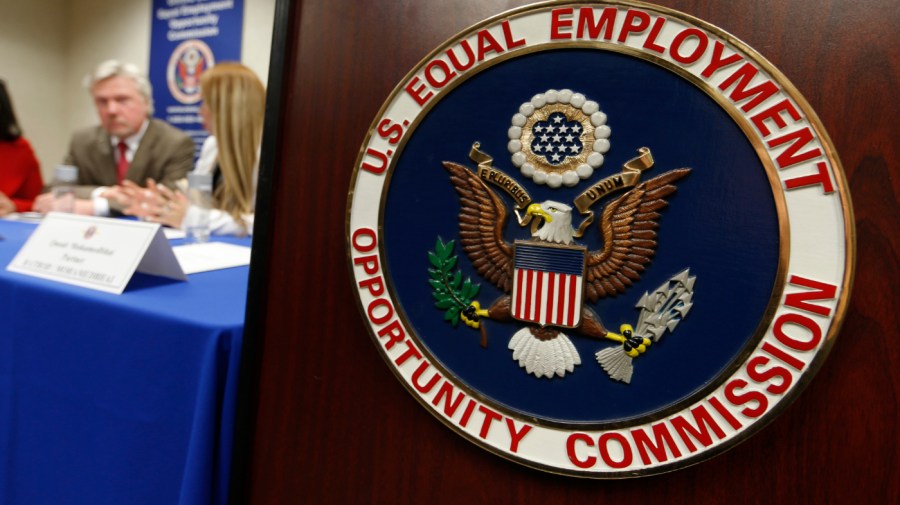
The Equal Employment Opportunity Commission (EEOC) has decided to abandon longstanding precedents regarding discrimination claims, raising concerns among workers nationwide. This shift could significantly affect how disparate impact claims are evaluated in U.S. courts.
Historically, the EEOC played a pivotal role in protecting worker rights against discriminatory practices, particularly those that disproportionately affect certain groups. However, recent developments suggest a move away from this protective stance, prompting many to question the implications for employees seeking legal recourse.
According to an official statement from the EEOC, the agency’s decision reflects a strategic reassessment of its approach to handling discrimination claims. The EEOC stated, “We believe it is time to align our practices with the current legal landscape.” This shift may have significant ramifications for the ability of workers to pursue claims related to employment discrimination based on indirect effects.
Impact on Workers and Legal Landscape
Despite the EEOC’s decision to withdraw from pursuing certain claims, legal experts assert that the judicial system remains accessible to workers with disparate impact claims. This means that individuals can still seek redress through the courts, even if the EEOC is no longer actively supporting these claims at the administrative level.
The potential for legal challenges remains, as workers are encouraged to explore their options for litigation. Legal professionals warn that while the EEOC’s shift may complicate matters, it does not eliminate the possibility of success in court. The legal community is closely monitoring the situation, as it could lead to an increase in private lawsuits.
In light of this decision, employees may wish to consult legal counsel to understand their rights and the best course of action. Legal experts recommend that workers document any instances of perceived discrimination to strengthen their cases if they decide to pursue claims independently.
Future Considerations
The EEOC’s new direction raises questions about the future of discrimination claims and the protections available to workers. Organizations like the American Civil Liberties Union (ACLU) and various labor unions have voiced their concerns, emphasizing the need for robust protections against discriminatory practices.
As the legal landscape evolves, workers must remain vigilant and informed. The shift in EEOC policy could lead to a significant transformation in how discrimination claims are approached in the courts. For now, workers are encouraged to stay aware of their rights and consider legal support as they navigate this changing environment.
The implications of this decision may unfold over time, but one certainty remains: the pursuit of justice for discrimination in the workplace continues, albeit through potentially new avenues.

Urgent Tax Savings Alert: Maximize Deductions Before April 15

Trump’s Administration Faces Uncertainty Over Government Shutdowns

Cosmic Defects: The Mystery of the Universe’s Missing Anomalies

Rapid City Parks Department Opens Registration for Bocce Leagues

Samsung Galaxy Watch 9 to Feature Larger 435mAh Battery Soon

Two Dead After Student Boats Capsize Off Okinawa Coast

Healthy Choice Wellness Reports Earnings with Mixed Results

Prince Harry Positions Himself as Royal Family’s Image Reviver

All Points North Lodge Achieves FSPHP-ETA Accreditation

Send Holiday Parcels for £1.99 with New Comparison Service

University of Hawaiʻi Leads $25M AI Project to Monitor Natural Disasters

Maui County Reopens Upgraded Lānaʻi Fifth Street Courts Today!

Interstellar Object 3I/ATLAS Emits Unique Metal Alloy, Says Scientist

Kelly McCreary Discusses Future of Maggie and Winston in Grey’s Anatomy

Daily Codeword Puzzle Launches on October 21, 2025

Congresswoman Under Fire for Misleading Epstein Donation Claims

Trump Vows to Resolve Afghanistan-Pakistan Crisis “Very Quickly”

Researchers Achieve Fastest Genome Sequencing in Under Four Hours
-
 Lifestyle4 months ago
Send Holiday Parcels for £1.99 with New Comparison Service
-
Science5 months ago
University of Hawaiʻi Leads $25M AI Project to Monitor Natural Disasters
-
 Top Stories4 months ago
Maui County Reopens Upgraded Lānaʻi Fifth Street Courts Today!
-
 Science6 months ago
Interstellar Object 3I/ATLAS Emits Unique Metal Alloy, Says Scientist
-
 Entertainment6 months ago
Kelly McCreary Discusses Future of Maggie and Winston in Grey’s Anatomy
-
 Entertainment6 months ago
Daily Codeword Puzzle Launches on October 21, 2025
-
 Lifestyle5 months ago
Congresswoman Under Fire for Misleading Epstein Donation Claims
-
 Top Stories5 months ago
Trump Vows to Resolve Afghanistan-Pakistan Crisis “Very Quickly”
-
 Science6 months ago
Researchers Achieve Fastest Genome Sequencing in Under Four Hours
-

 Business6 months ago
Iconic Sand Dollar Social Club Listed for $3 Million in Folly Beach
-

 Science4 months ago
Charles Darwin’s Address Book Reveals Hidden Aspects of His Life
-

 Politics6 months ago
Afghan Refugee Detained by ICE After Asylum Hearing in New York